The modern farmhouse look lives and dies by its floors, and that’s exactly why farmhouse LVP flooring has become a go-to for homeowners chasing that warm, lived-in aesthetic without the maintenance of real wood. Luxury vinyl plank can convincingly mimic weathered oak, whitewashed pine, and reclaimed barnwood while standing up to muddy boots, big dogs, and spilled coffee. This guide covers the colors, widths, and textures that read authentically farmhouse, plus the durability specs that separate a floor that lasts from one that wears out fast.
- What Makes LVP Look Farmhouse
- Best Color Families for the Farmhouse Look
- Why LVP Suits Farmhouse Homes
- The Downsides to Weigh
- Specs That Separate Good from Cheap
- Design Pairings That Complete the Look
- Installation Notes
- What It Costs
- Best Rooms for Farmhouse LVP
- Maintenance and Longevity
- The Bottom Line
What Makes LVP Look Farmhouse
Farmhouse style is about warmth, age, and honesty in materials. To capture it in vinyl, the right combination of color, width, and texture matters more than any single feature.
- Light to mid-tone colors: Whitewashed oak, weathered gray, honey pine, and soft greige tones dominate the look.
- Wide planks: 7 to 9 inch widths feel more rustic and expansive than narrow strips.
- Wire-brushed or embossed texture: Real grain texture you can feel sells the aged-wood illusion.
- Matte finish: Low sheen reads as natural and weathered; glossy vinyl breaks the spell instantly.
Best Color Families for the Farmhouse Look
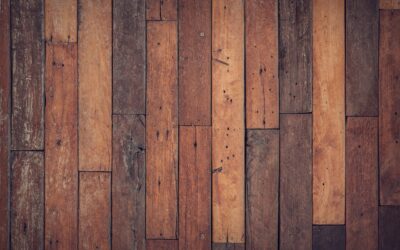
Color is where farmhouse floors win or lose. Pale and muted tones keep rooms feeling airy and bright, which is the heart of the style. Whitewashed and blonde oaks pair beautifully with shaker cabinets and white trim. Weathered grays lean a touch more transitional and hide dust and pet hair well. Warmer honey and wheat tones bring a cozier, more traditional country feel. If you want true reclaimed-barnwood character, look for multi-tone planks that blend several shades within the same box for natural variation.
Why LVP Suits Farmhouse Homes
Beyond looks, vinyl plank fits the practical, hardworking spirit of farmhouse living.
- Waterproof: Mudrooms, kitchens, and entryways shrug off spills and tracked-in slush.
- Durable wear layer: A 12 to 20 mil wear layer handles kids, pets, and high traffic.
- Comfortable underfoot: Rigid-core LVP over a pad feels warmer and softer than tile or stone.
- Easy maintenance: Sweep and damp-mop; no refinishing or sealing ever.
- Budget-friendly: Far cheaper than the real reclaimed wood it imitates.
The Downsides to Weigh
LVP isn’t flawless, and honesty matters when you’re investing in a whole floor. It won’t add resale value the way genuine hardwood can, and some purists will always notice it isn’t real wood, especially in lower-end products with repeating patterns. Cheaper planks can fade in sun-drenched rooms and may dent under heavy furniture. Vinyl is also a plastic product, so off-gassing and recyclability are valid considerations for eco-minded buyers; look for FloorScore-certified, low-VOC options.
Specs That Separate Good from Cheap
The farmhouse look means nothing if the floor wears out in three years. Focus on these numbers when comparing products.
- Wear layer: 12 mil minimum for homes with pets; 20 mil for heavy traffic.
- Core type: SPC (stone-plastic composite) is rigid and dent-resistant; WPC is softer and warmer underfoot.
- Total thickness: 5mm to 8mm planks feel more substantial and hide minor subfloor flaws.
- Pattern repeat: More unique plank designs (look for 12-plus) avoid an obviously fake, repeating look.
- Attached underlayment: A built-in pad adds comfort and quiets footsteps.
Design Pairings That Complete the Look
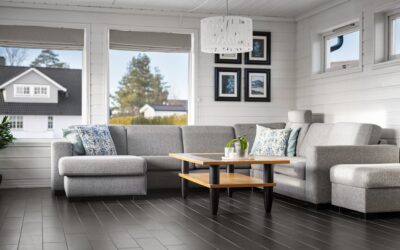
Floors are only part of the story. To finish the farmhouse aesthetic, pair light wide-plank LVP with white or sage cabinetry, black hardware and fixtures, and natural textures like woven baskets, jute rugs, and butcher-block counters. Shiplap walls and exposed-beam ceilings amplify the effect. Keep grout, trim, and accent colors in the warm-neutral family so the floor remains the grounding, cohesive base of the room rather than competing with it.
Installation Notes
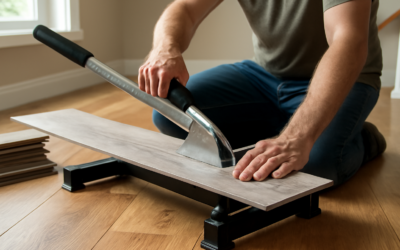
Most farmhouse LVP is click-lock floating plank that a confident DIYer can install over a flat, clean subfloor. Let the planks acclimate in the room for 48 hours, leave the manufacturer’s expansion gap at all walls, and use a tapping block to seat the joints. For large open-concept farmhouse layouts, you may need a transition or expansion break across very long runs, so check the manufacturer’s maximum continuous-span guidance.
What It Costs
Quality farmhouse LVP typically runs $2.50 to $5 per square foot for materials, with premium wide-plank, high-mil products reaching $6 or more. Professional installation adds $2 to $4 per square foot. For a 1,000-square-foot main level, budget roughly $4,500 to $9,000 installed, a fraction of what reclaimed hardwood would cost for the same look. Order about 10 percent extra to cover cuts, waste, and a few spare planks for future repairs, since matching a discontinued color years later is nearly impossible.
Best Rooms for Farmhouse LVP
Part of LVP’s appeal is that it goes nearly anywhere, which suits the open, flowing layouts farmhouse design favors. Kitchens benefit from its waterproof core and easy cleanup around the sink and dishwasher. Mudrooms and entryways shrug off mud, snowmelt, and pet accidents. Living areas and bedrooms get warmth and quiet underfoot, especially with an attached pad. Even bathrooms work, since the planks are fully waterproof. Running the same wide-plank LVP throughout the main level reinforces that cohesive, farmhouse-cottage feel and makes a modest home read larger.
Maintenance and Longevity
Keeping farmhouse LVP looking great is refreshingly simple. Sweep or dry-mop to clear grit, then damp-mop with a manufacturer-approved vinyl cleaner; skip wax, polish, and harsh abrasives, which can dull the matte finish you chose for its authentic look. Wipe spills when they happen, even though the floor is waterproof, to avoid slips and residue. Use felt pads under heavy furniture to prevent dents in softer WPC cores, and place doormats at entries to catch the sand and grit that cause micro-scratches over time. With basic care, a quality 20-mil floor easily lasts 15 to 20 years or more.
The Bottom Line
Farmhouse LVP flooring nails the light, wide, weathered aesthetic that defines the style while delivering waterproof, low-maintenance practicality that real reclaimed wood can’t match. Prioritize wide planks, matte multi-tone colors, real surface texture, and a wear layer suited to your traffic. Get those right, and you’ll have a warm, hardworking floor that looks like it has been underfoot for a century.
Prefer to explore on your own?
See how new flooring looks in your actual room in seconds — free, no signup.
Try the free Floor Studio →