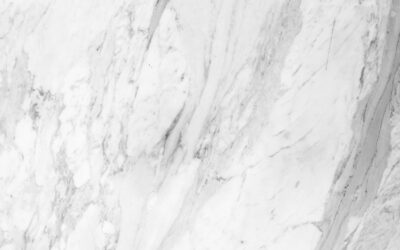
A marble tile shower delivers a level of luxury that few materials can match. The soft veining, depth, and natural variation of real stone turn an ordinary bathroom into something that feels like a high-end spa. No two marble tiles are exactly alike, which is precisely why the look is so prized.
Part of our Countertops guide — explore the full guide →
Marble is also a demanding material in a wet environment. It is porous, sensitive to acids, and can be slippery, so a beautiful, lasting result depends on choosing the right stone, sealing it properly, and committing to gentle care. Here is what you need to know before you commit.
Why Choose Marble for a Shower
Marble brings a timeless, elegant character that instantly reads as upscale. It adds genuine resale appeal, stays naturally cool, and offers an enormous range of colors and veining, from classic white Carrara to dramatic dark stones. Used on walls, floors, niches, and benches, it creates a cohesive, refined space.
The trade-off is maintenance. Marble is calcium-based, which makes it vulnerable to acidic products and harder to keep pristine than porcelain. If you love the look and accept the upkeep, the payoff is a bathroom that feels truly special.
Types of Marble and Finishes
The marble you choose and its surface finish both affect performance in a shower.
- Carrara: widely available, soft white with gray veining, and relatively affordable
- Calacatta: whiter background with bold, dramatic veining and a higher price
- Statuario: bright white and highly prized for its striking patterns
- Emperador and other dark marbles: warm browns that hide water spots well
Finish matters as much as color. A polished finish is glossy and elegant but slippery and shows etching more readily. A honed finish is matte, offers better traction underfoot, and hides minor etching better, which makes it the smarter choice for shower floors.
Sealing Is Not Optional
Because marble is porous, sealing is essential to protect it from water absorption and staining. A penetrating stone sealer soaks in and creates a barrier that buys you time to wipe spills before they penetrate. In a shower, marble should be sealed at installation and resealed regularly.
Test the seal with the water-bead method: drop water on the surface and watch whether it beads or soaks in and darkens the stone. When it stops beading, it is time to reseal, which is often every six months to a year in a wet shower. Sealing slows staining but does not make marble bulletproof, so prompt cleaning still matters.
Slip Safety Considerations
A wet stone floor can be slippery, so traction is a real safety issue. There are several ways to keep a marble shower floor safe underfoot.
- Use a honed rather than polished finish on the floor for more grip
- Choose smaller mosaic tiles on the floor, since the added grout lines improve traction
- Consider a textured or tumbled marble for the shower base
- Add a stylish teak mat or grab bars for extra security where needed
Small-format marble mosaics also conform better to the slope of a shower pan toward the drain, which is another reason they are popular for the floor.
Installation Essentials
A marble shower lives or dies on the waterproofing behind the tile. Stone is heavy and unforgiving of moisture, so the substrate and waterproofing must be done correctly before a single tile goes up.
- Build on a proper waterproof system, whether a membrane or a foam backer board designed for showers.
- Use a white thin-set mortar so it does not show through light marble.
- Set tiles with full coverage to avoid voids where water could collect.
- Maintain proper slope on the floor toward the drain for complete drainage.
- Seal the marble after installation and before regular use.
Given the cost of the material and the consequences of a leak, a marble shower is one project where hiring an experienced tile professional usually pays for itself.
Cleaning Without Damaging the Stone
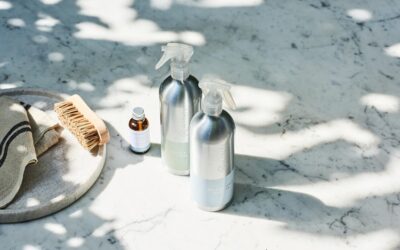
The single most important care rule is to never use acidic cleaners. Vinegar, lemon, and many common bathroom sprays will etch marble, leaving dull spots that no amount of scrubbing removes. Stick to a pH-neutral stone cleaner or mild soap and water.
Daily habits make the difference. Keep a squeegee in the shower and wipe the walls after each use to prevent water spots and soap scum. Blot any spills promptly, use a soft cloth rather than abrasive pads, and ventilate the bathroom with the fan to control humidity and discourage mildew in the grout.
Cost Expectations
A marble shower is a premium project, and the budget reflects it. The stone itself varies widely, with common Carrara at the lower end and prized Calacatta and Statuario commanding much higher prices per square foot. On top of the tile, you pay for waterproofing materials, white thin-set, sealer, and trim pieces.
Labor is often the largest line item. Natural stone is heavy, slower to set, and demands an experienced installer who understands waterproofing and stone handling, so installation typically costs more per square foot than standard ceramic or porcelain.
- Stone cost ranges from moderate to high depending on the variety and grade
- Honed and mosaic floor tiles may add cost over plain field tile
- Professional waterproofing and installation are worth the investment here
- Ongoing sealer and stone-safe cleaners are a small but recurring expense
When you tally materials, labor, and long-term care, marble sits well above tile alternatives. For homeowners who value genuine stone and plan to stay in the home, the look and resale appeal can justify it. For those wanting the appearance at a lower cost with less upkeep, marble-look porcelain delivers much of the beauty for far less money.
Is It Worth It?
A marble tile shower is a commitment of both money and care, but for many homeowners the beauty justifies it. If you want the look with less upkeep, marble-look porcelain offers a convincing alternative that resists etching and needs no sealing. If only genuine stone will do, go in with eyes open: seal it, clean it gently, and wipe it down after use. Treated with respect, real marble rewards you with a striking, luxurious shower that looks beautiful for decades.
Prefer to explore on your own?
See how new flooring looks in your actual room in seconds — free, no signup.
Try the free Floor Studio →