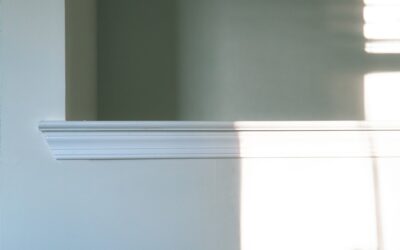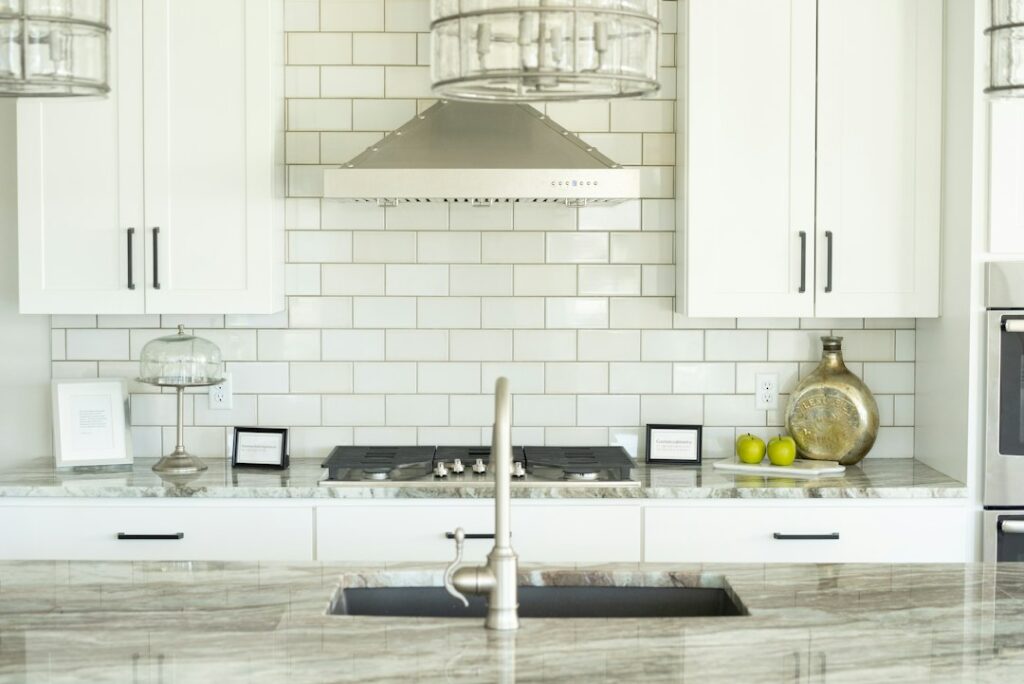
Anyone who has watched a puddle of water creep across a vanity and dribble down the cabinet door knows why boats were built with raised edges on every work surface. A marine edge countertop borrows that idea: the front edge rises slightly above the surface in a smooth lip, so spills stay on the counter instead of running onto drawers, cabinet doors and the floor. It shows up most often on laminate and solid surface tops in bathrooms, laundry rooms, kitchens near sinks and in medical and lab settings.
Part of our Countertops guide — explore the full guide →
The short answer on whether it is right for you: a marine edge, also called a no-drip or raised edge, is excellent where water is constant, such as around bathroom sinks, coffee stations and utility areas. The downside is cleaning, since crumbs and debris cannot be swept straight off the edge into your hand. It costs a little more than a flat edge in most materials and works best on surfaces that can be molded or formed rather than cut from stone.
How a Marine Edge Countertop Works
The profile has a small raised bead or lip along the front, usually about 1/4 to 1/2 inch high, that curves smoothly up from the flat surface and then down over the front face. Water and other liquids pool behind the lip rather than reaching the edge. The surface side of the lip is coved, meaning it curves gently, so there is no sharp inside corner where grime can collect.
On laminate, the raised edge is created during post-forming, when the laminate sheet is heated and bent over a shaped substrate. On solid surface, the lip can be built up and shaped from the same material, or thermoformed. Some cultured marble vanity tops also come with a raised front.
Variations
- No-drip front: a lip only on the front edge.
- Full marine edge: raised on front and exposed sides, sometimes with an integral coved backsplash, forming a shallow tray.
- Bullnose marine: a rounded front face with a raised top bead.
Where a Raised Edge Helps Most
- Bathroom vanities: splashing from handwashing and face washing stays on the top.
- Kitchen sink runs: drips from dish rinsing and draining stop at the lip.
- Coffee and beverage stations: spills from carafes and machines stay contained.
- Laundry rooms: detergent drips and folding-area spills are kept off machines and floors.
- Kids’ bathrooms and craft areas: paint water and splashes stay put.
- Healthcare, lab and commercial settings: containing liquids is a hygiene and safety benefit.
- Boats and RVs: the original use, where a lip also keeps items from sliding off.
Protecting the cabinet below is a real advantage with particleboard and MDF cabinet boxes, which swell when water repeatedly runs down the face and soaks into edges.
Trade-Offs to Consider
Harder to wipe crumbs off
This is the main complaint. On a flat edge, you sweep crumbs into a cupped hand at the front. With a lip, debris catches on the bead, so you have to lift it out or sweep it sideways to an open end. In a busy kitchen prep zone, that gets old quickly.
Appliance and drawer fit
The raised lip adds height at the front, which rarely matters but can interfere with a slide-in appliance or a tight-fitting drawer face. Check clearances.
Style
A marine edge looks functional and slightly commercial. In a modern stone-look kitchen, it may not fit the aesthetic. In a bathroom or laundry room, it usually goes unnoticed.
Limited materials
Natural stone and quartz are difficult and expensive to fabricate with a raised lip, since the whole slab would need to be thicker and machined down. Laminate and solid surface are the practical choices.
Materials That Suit a Marine Edge
Laminate
Post-formed laminate tops are the most affordable route, with general installed costs roughly $20 to $50 per square foot. Many come with a no-drip front edge and a coved backsplash. Seal any cut edges, especially around sink cutouts, so water cannot reach the particleboard core.
Solid surface
Solid surface handles marine edges beautifully. The lip can be shaped, seams are nearly invisible, and you can add an integral sink so water drains with no rim to catch grime. General installed cost runs roughly $40 to $100 per square foot. Scratches and small burns can be sanded out, and a solid surface countertop repair kit helps fix minor chips and scratches at home.
Cultured marble and molded tops
One-piece vanity tops with integrated bowls sometimes include a raised front and side edges. They are inexpensive and easy to install in bathrooms.
Stainless steel
Commercial kitchens use stainless tops with a raised marine edge, often formed as part of the sheet. They are durable and hygienic but noisy and prone to scratches.
Marine Edge vs. Other Front Edge Options
If spill control is your goal, a raised lip is not the only answer, and it helps to compare it with common alternatives.
- Post-formed rolled edge: the standard rounded front on prefab laminate. It is comfortable to lean on and easy to sweep crumbs off, but liquids run straight over it.
- Eased or square edge: a flat top with a slightly softened corner. Clean and modern, with no spill protection.
- Drip groove: a small channel routed on the underside of the front edge so water drips off cleanly instead of running back along the cabinet face. It offers some cabinet protection while keeping a flat top.
- Integral sink with sloped drainboard: grooves or a gentle slope direct water into the sink, a good option on solid surface or stone where a raised lip is impractical.
For many households, the best plan is a mix. Use a marine edge countertop on the bathroom vanity or laundry folding counter, where water is constant and crumbs are rare, and choose a flat edge in the main kitchen prep area, where sweeping debris off the counter happens all day.
Sizing and Ordering
Prefab laminate tops with a no-drip front are usually sold in standard depths of about 25 inches for kitchens and 22 inches for vanities, in lengths from 4 to 12 feet. Measure the cabinet run carefully, allowing about 1 inch of overhang at the front and at any open end. Order end caps or finished end splashes to match. For solid surface, the fabricator templates on site and builds the lip into the custom top. If you want an open end for crumb sweeping, specify it when you order, since adding a gap afterward is difficult.
Installation Tips
- Make sure cabinets are level front to back and side to side so water stays behind the lip and drains toward the sink, not toward a corner.
- Seal all cut edges on laminate with silicone or a waterproof sealer before installing.
- Caulk the backsplash joint with mildew-resistant kitchen and bath sealant.
- For solid surface, let the fabricator handle seams and lip shaping so joints are invisible and watertight.
- Plan an open end or a gap in the lip if you want a place to sweep crumbs off.
Wear eye protection and a dust mask when trimming laminate or solid surface, and use a fine-tooth blade to reduce chipping.
Cleaning and Care
Wipe the coved area behind the lip regularly with warm water and mild soap; the smooth curve makes it easier than a sharp corner. For crumbs, sweep toward an open end or use a small handheld vacuum or a damp cloth. On solid surface, a nonabrasive cleaner keeps the finish even. On laminate, avoid abrasive powders that can dull the surface, and never let standing water sit on seams.
Troubleshooting
Water pooling in one spot
The counter is out of level. Shim the top or adjust cabinet feet so water drains toward the sink.
Laminate bubbling near the edge
Water has reached the core. Small areas can sometimes be re-glued, but swelling usually means replacement.
Scratches on solid surface lip
Sand with fine abrasive pads following the repair kit instructions, then buff to match the surrounding sheen.
When to Call a Pro
Prefabricated laminate tops with a no-drip edge are manageable DIY projects. Custom solid surface marine edges, integral sinks and seams should be handled by a fabricator. If you are moving a sink or faucet, use a licensed plumber, and have a licensed electrician add any new outlets, which must be GFCI protected near sinks.
Frequently Asked Questions
What is a marine edge countertop?
It is a countertop with a slightly raised lip along the front edge that keeps spills on the surface instead of dripping onto cabinets and floors.
Is a marine edge the same as a no-drip edge?
Yes. The terms are used interchangeably for a raised front edge that stops liquids from running off the counter.
What materials can have a marine edge?
Laminate, solid surface, cultured marble and stainless steel are common. Natural stone and quartz are rarely made with a raised lip.
Are marine edges hard to clean?
Wiping liquids is easy, but crumbs catch on the lip, so you sweep them sideways to an open end or lift them out.
Where is a marine edge most useful?
Bathroom vanities, sink areas, coffee stations, laundry rooms and commercial or lab counters where liquids are common.