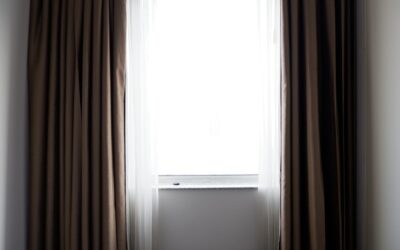
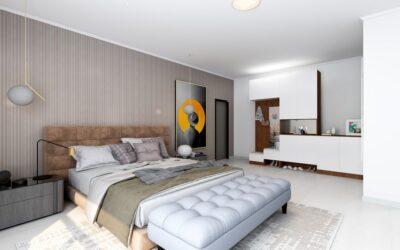
Curtains in a master bedroom do three jobs: control light, soften acoustics, and frame the room. Most homeowners pick the wrong length, hang rods too low, and end up with curtains that look like they came from a college dorm. Smart master bedroom curtain ideas start with hardware placement and end with fabric weight — and the difference between mediocre and magazine-worthy comes down to a few specific rules.
Hang High and Wide
The single most impactful change you can make is rod placement. Hang the rod 4-6 inches above the window trim — or better, halfway between the trim and the ceiling. Extend the rod 8-12 inches past the window on each side so the curtains stack off the glass when open. The window appears taller and wider, and natural light isn’t blocked when you draw the panels back.
For an 8-foot ceiling and a 5-foot window, mount the rod at 90-92 inches off the floor. The visual upgrade is immediate.
Length Rules That Make Curtains Look Custom
Off-the-rack curtains come in standard lengths: 84, 95, 108, and 120 inches. Pick the length based on rod height, not the closest stocked option. Three correct relationships between curtain hem and floor:
- Float: 1/2 inch above the floor, modern and easy to clean
- Kiss: just touching the floor, classic and clean
- Puddle: 2-6 inches pooling on the floor, romantic and formal
Avoid the high-water look — curtains that end 2-6 inches above the floor. This is the most common mistake and it makes the room read unfinished. If your standard panels are too short, hem custom or buy the next size up and have a tailor shorten them ($15-$30 per panel).
Fabric Choices That Match the Room
Master bedrooms benefit from heavier fabrics than living rooms. Weight equals drape and acoustic absorption. Linen and velvet are the two go-to choices in 2026:
- Linen: textured, casual, drapes naturally — Pottery Barn Belgian Linen panels run $99-$199 each
- Velvet: formal, sound-absorbing, blocks light by itself — West Elm cotton velvet $149-$249
- Cotton blend with blackout liner: functional and budget-friendly — IKEA Sanela $40-$70
- Silk or silk-blend: traditional and luxurious, requires lining for sun protection
Polyester reads cheap unless it’s a high-end blend. Skip the $20 panel two-pack from big-box retailers if you want the room to look intentional.
Layered Looks for Light Control
The best master bedrooms layer two window treatments — sheer or light-filtering panels for daytime privacy plus blackout drapes for sleep. Options for the layered approach:
- Sheer linen on inner rod + heavyweight drapes on outer rod (double rod hardware $40-$120)
- Roman shade or roller shade behind drapery — built-in functionality, cleaner sightlines
- Honeycomb cellular shade plus drapery panels — best insulation value
- Wood blinds plus drapery — traditional, controls light precisely
Cellular shades from Levolor or Hunter Douglas in light-filtering fabric let in soft daylight while keeping privacy. Add blackout drapes you only close at night and the system covers every lighting need.
Color Strategy
Curtain color should relate to either the wall color or the trim, never compete with both. Three approaches that work:
- Tone-on-tone: curtains 1-2 shades darker than the walls, makes the room feel taller
- Wall match: exact wall color, seamless and serene
- Anchor accent: curtains pull a deeper color from rugs or bedding for cohesion
Avoid brand-new bold patterns unless the rest of the room is quiet. A statement curtain plus statement bedding plus statement headboard equals visual chaos. Pick one to be the show.
Hardware That Feels Considered
Cheap rods scream cheap room. Spend $80-$200 on a quality rod system from Restoration Hardware, Pottery Barn, or West Elm. Diameter matters — 1.25 to 1.5 inches reads custom; 5/8 inch reads tension-rod-temporary.
- Brass or unlacquered bronze rods pair with most warm color schemes
- Matte black works in modern or traditional rooms with iron accents
- Polished nickel suits cool grays and blue palettes
- Wood rods feel rustic or coastal depending on stain
Choose finials that don’t fight the architecture. Simple end caps or modest urn shapes age better than ornate scrollwork.
Width and Fullness
Curtains should look gathered, not stretched flat. The rule: total panel width should equal 2 to 2.5 times the rod width. For a 60-inch rod, that’s 120-150 inches of total fabric, or two 60-inch panels (most pre-made panels are 50-54 inches wide). For wider windows, use three or four panels — never stretch two flat across a 96-inch rod.
Pinch-pleat or French-pleat headers fall more elegantly than rod-pocket panels. Add hooks and rings ($15-$25 per window) for a custom look on standard panels.
Putting Together a Complete Window
A complete master bedroom window done right runs $250-$700 per window for off-the-rack solutions, or $800-$2,500 for custom. The difference is mostly fabric quality and lining. Start with the rod and bracket placement, choose lined heavy fabric, layer in blackout if needed, and let the panels stack wide off the glass when open.
The best master bedroom curtain ideas share one trait — they treat the window as architecture, not decoration. Frame it correctly and the rest of the room benefits. Get it wrong and even an expensive bed looks like it’s in a rental.
Common Mistakes That Cheapen the Look
Five errors show up again and again in bedroom window treatments. Skimpy panels stretched flat. Rods mounted at the window frame rather than near the ceiling. Synthetic fabrics that don’t drape. Pattern panels that fight the bedding. And matching tab-top headers, which read like college dorms regardless of fabric quality. Fix any one of these and the room reads more sophisticated. Fix all five and you’re in magazine territory.
One last detail: train your curtains. After hanging, fold the panels into accordion pleats while damp, tie loosely with twill tape, and leave for 48 hours. The fabric memorizes the shape and drapes correctly thereafter. This is the trick high-end designers use to make off-the-rack panels look like custom workroom installations.