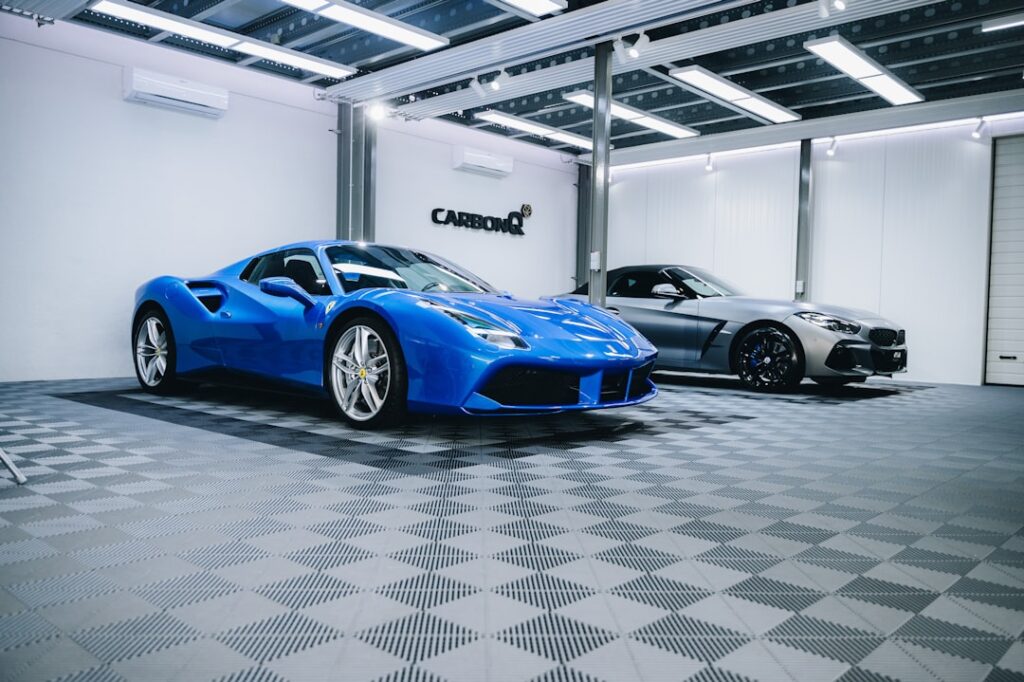
A metallic epoxy floor transforms plain concrete into a glossy, three-dimensional surface that looks like flowing lava, polished stone, or swirling metal. By blending metallic pigment powders into clear epoxy resin, installers create marbled, pearlescent effects that no two floors ever share.
Part of our Epoxy, Concrete & Garage Floors guide — explore the full guide →
The look is dramatic, but a metallic floor is also a serious commitment in prep, skill, and cost. This guide breaks down how these floors work, their advantages and drawbacks, pricing, and how to keep one looking sharp.
- What Is a Metallic Epoxy Floor?
- Where Metallic Epoxy Works Best
- Pros of Metallic Epoxy
- Cons and Limitations
- The Installation Process
- Cost of a Metallic Epoxy Floor
- Care and Maintenance
- Is It Right for You?
- Metallic vs. Standard Epoxy
- Preparing Your Space for Installation
- Popular Color and Effect Options
- How Long a Metallic Floor Lasts
- Questions to Ask Your Installer
What Is a Metallic Epoxy Floor?
A metallic epoxy system is a multi-layer coating applied over a prepared concrete slab. After a primer and base coat go down, the installer mixes metallic pigments into a clear or tinted epoxy and pours it across the floor. Using rollers, squeegees, and sometimes torches or blowers, they manipulate the pigment to create movement, cells, and depth before the resin cures.
A clear topcoat, often a polyurethane or additional epoxy layer, seals everything and adds gloss and protection. The finished floor is seamless, so there are no grout lines or seams to trap dirt.
Where Metallic Epoxy Works Best
These floors started in showrooms and retail spaces and have moved into homes and garages where owners want a high-end, unique look.
- Garages and workshops: Durable, chemical-resistant, and easy to sweep.
- Basements: A moisture-tolerant, finished-looking surface over bare concrete.
- Retail and showrooms: Eye-catching floors that draw attention.
- Man caves, bars, and living areas: A statement surface where design matters.
- Commercial lobbies: A hard-wearing floor with visual impact.
A metallic epoxy floor needs a sound concrete substrate. It is not suitable over wood subfloors or slabs with active moisture problems unless those are addressed first.
Pros of Metallic Epoxy
The appeal goes well beyond looks, though the appearance is the headline feature.
- Stunning, one-of-a-kind appearance: The 3D marbled effect is unmatched by tile or standard coatings.
- Seamless and hygienic: No grout or seams to collect dirt and bacteria.
- Durable: Resists abrasion, impact, and many chemicals when topcoated properly.
- Easy to clean: A dust mop and occasional damp mop keep it glossy.
- Long lifespan: A well-installed floor can last 10 to 20 years indoors.
- Customizable: Nearly any color blend or effect is possible.
Cons and Limitations
Metallic epoxy is not a project for every home or every budget. Weigh these drawbacks honestly.
- Slippery when wet: The glossy surface can be slick unless an anti-slip additive is used in the topcoat.
- Skill-dependent results: The artistic effect relies heavily on installer experience; a poor job looks muddy.
- Demanding prep: The slab must be ground, cracks repaired, and moisture tested.
- Hard to repair invisibly: Because each floor is unique, patching a damaged spot rarely blends perfectly.
- UV sensitivity: Some epoxies yellow in direct sunlight, so exterior or sunroom use needs UV-stable topcoats.
- Cure time: The floor needs days before heavy use.
The Installation Process
Understanding the steps clarifies why professional installation costs what it does. Rushing prep is the number one cause of failure.
- Surface prep: Diamond-grind or shot-blast the concrete to open the pores, then repair cracks and pits.
- Moisture test: Confirm the slab is dry enough; excess moisture causes delamination.
- Prime: Apply an epoxy primer for adhesion.
- Base coat: Roll on a solid-color base, often black or a dark tone, to make the metallics pop.
- Metallic coat: Pour and manipulate the pigmented epoxy to create the design.
- Topcoat: Seal with a clear coat, adding anti-slip grit if needed.
Total cure between coats and before full use typically spans several days, so plan to keep the space empty for about a week.
Cost of a Metallic Epoxy Floor
Metallic systems cost more than standard solid-color epoxy because of the materials and labor artistry involved. Expect roughly $7 to $15 per square foot professionally installed, with intricate designs and premium topcoats pushing toward the high end.
- DIY kits: $3 to $7 per square foot in materials, but results depend heavily on skill.
- Professional install: $7 to $15 per square foot for the full system.
- A two-car garage: Often $3,000 to $7,000 installed.
Because the finish is unforgiving of mistakes, many homeowners find professional installation worth the premium for a large or highly visible metallic epoxy floor.
Care and Maintenance
One of the best features is how little upkeep the floor demands. Dust-mop or sweep regularly to keep grit from scratching the topcoat. For deeper cleaning, use a damp mop with a pH-neutral cleaner; avoid harsh acids and abrasive pads that can dull the gloss.
Place felt pads under heavy furniture and use mats under vehicle tires in garages, since hot tires can occasionally soften certain coatings. Every several years you may choose to reapply a fresh clear topcoat to restore shine and extend the life of the floor.
Is It Right for You?
A metallic epoxy floor rewards owners who want a genuinely unique, durable, low-maintenance surface and are willing to invest in proper prep and skilled installation. If you prioritize a specific, repeatable pattern or a slip-resistant matte look, other flooring may suit you better.
Metallic vs. Standard Epoxy
It helps to understand how a metallic floor differs from a plain solid-color or flake epoxy, since the two serve different goals.
- Appearance: Standard epoxy is a uniform color or speckled flake; metallic creates a marbled, three-dimensional, one-of-a-kind look.
- Skill required: Solid coatings are forgiving; metallic depends heavily on the installer’s artistry to create movement.
- Cost: Metallic systems cost more due to the pigments and labor.
- Durability: Both are durable when topcoated well; the protective clear coat does the heavy lifting in each.
- Repairability: Solid colors patch more easily; metallic is nearly impossible to patch invisibly.
Preparing Your Space for Installation
Getting the room ready helps the job go smoothly and protects your investment. Clear the entire floor of vehicles, shelving, and stored items so the installer has full access to the slab. Plan to keep the space empty for about a week to allow the multiple coats to cure fully before foot and vehicle traffic.
Confirm the area has adequate ventilation and will stay within the product’s temperature range during application and cure, since cold slows curing and can affect the finish. Because the metallic effect is created wet and cannot be redone once cured, a clean, well-prepared, undisturbed space gives the installer the best conditions to produce the look you want.
Popular Color and Effect Options
Part of the appeal is the sheer range of looks you can create by blending metallic pigments over a dark base. The base coat is usually black or charcoal so the metallics glow against it, and the pigment choice sets the mood.
- Blue and teal blends: Evoke flowing water or ocean depth, a favorite for showrooms and man caves.
- Copper, bronze, and gold: Warm, luxurious tones that read like molten metal.
- Silver and pewter: Cool, contemporary marble-like effects.
- Multi-color pours: Combining two or three pigments creates dramatic contrast and movement.
- Lava and cell effects: Using solvents or torching techniques creates open “cells” that mimic natural stone.
Because the effect is created by hand, ask your installer for a sample board in your chosen colors, since the same pigments can look quite different depending on technique and base tone.
How Long a Metallic Floor Lasts
With proper installation and a quality topcoat, a metallic epoxy floor can last 10 to 20 years indoors before it needs recoating. The metallic layer itself is protected by the clear topcoat, which is the part that gradually wears. Refreshing the topcoat every several years, before it wears through to the color layer, dramatically extends the floor’s life and restores the gloss.
Longevity depends heavily on traffic and care. A low-traffic living space will outlast a busy commercial floor, and floors kept free of abrasive grit hold their shine far longer than neglected ones.
Questions to Ask Your Installer
Since results hinge on skill, vetting the installer is the most important step in the whole project. Ask a few pointed questions before signing on.
- Can I see recent local projects or in-person samples of your metallic work?
- How will you prep the slab, grinding or etching, and will you moisture-test it?
- What topcoat do you use, and is it UV-stable and available with an anti-slip additive?
- What is the total cure timeline before I can walk on and park on the floor?
- What warranty do you offer on adhesion and the finish?
For garages, basements, and design-forward living spaces, few finishes deliver the drama and durability of a well-installed metallic epoxy floor. Vet your installer, ask to see recent samples, and confirm the topcoat suits your slip and UV needs before committing.