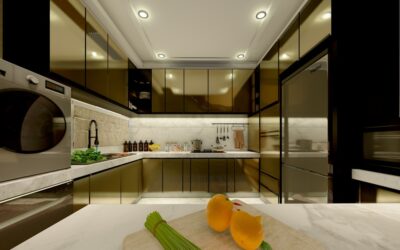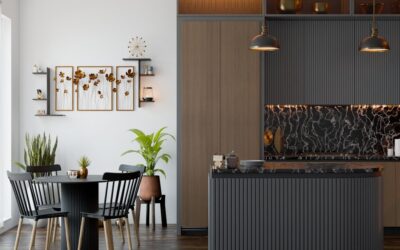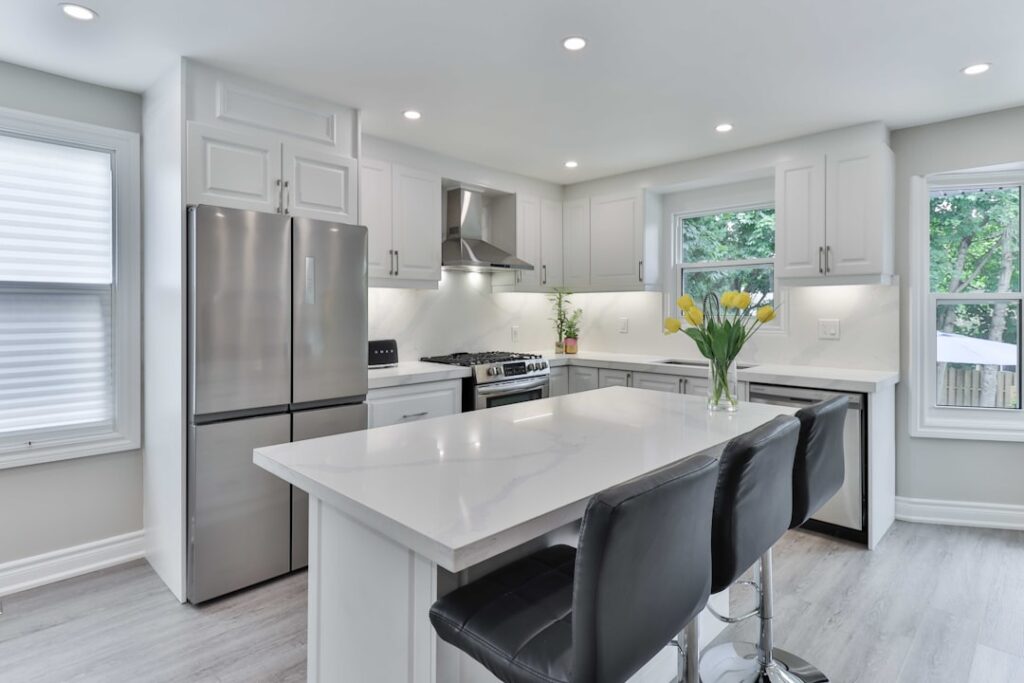
Clean lines, warm wood tones, and a color palette pulled straight from a 1960s design magazine. The mid century kitchen aesthetic has proven remarkably durable, surging back into popularity as homeowners tire of all-white minimalism and look for warmth and personality in the heart of the home. The style works equally well in a period ranch house and a brand-new build, provided you nail the core design elements that define the era.
Part of our Kitchen Remodeling guide — explore the full guide →
Defining Characteristics of Mid Century Design
Mid century modern design spans roughly 1945 to 1969, borrowing from Scandinavian functionalism and post-war American optimism. In the kitchen, that translates to a few unmistakable features:
- Flat-panel or slab-front cabinets with minimal hardware. No raised panels, no ornate moldings.
- Warm natural wood like walnut, teak, or white oak, often left unstained to showcase the grain.
- Bold accent colors balanced against neutral backgrounds. Think avocado green, mustard yellow, burnt orange, or turquoise on a single wall or island.
- Geometric patterns in backsplash tile, flooring, or textiles. Hexagons, diamonds, and starburst motifs appear frequently.
- Open shelving or glass-front uppers that keep the space visually light.
- Tapered or hairpin legs on freestanding furniture like kitchen tables and bar stools.
Cabinets and Hardware
Cabinets set the tone for the entire kitchen. Flat-panel doors in natural walnut or white oak are the most authentic choice. If solid wood is beyond your budget ($500-$800 per linear foot installed), thermofoil or laminate slab doors in a wood-grain finish or a solid matte color offer a convincing alternative at $150-$300 per linear foot.
Hardware should be understated. Thin brass or brushed gold bar pulls in 3-5 inch lengths complement the era perfectly. Finger pulls routed into the top or bottom edge of the cabinet door create an even cleaner look and cost nothing extra during fabrication. Avoid cup pulls, ornate knobs, or anything with a farmhouse or industrial vibe.
Countertop Options
Original mid century kitchens used laminate countertops extensively, and brands like Formica and Wilsonart still produce retro-inspired patterns that channel the period. A boomerang or starburst laminate countertop costs $10-$30 per sq ft installed, making it the budget-friendly choice that also happens to be the most historically accurate.
For homeowners who want modern performance with mid century style, white quartz or butcher block countertops both harmonize with the aesthetic. Quartz in a clean white or warm beige runs $50-$100 per sq ft installed. Walnut butcher block tops cost $40-$80 per sq ft and develop beautiful patina over time, though they require periodic oiling and care around moisture.
Backsplash and Tile
The backsplash is where you can inject the most personality. Geometric tile patterns in a limited color palette read as distinctly mid century without overwhelming the room. Popular choices include:
- Hexagonal mosaic in white, seafoam green, or pale blue
- Diamond or rhombus tile in a two-tone arrangement
- Penny round tile in matte earth tones
- Handmade subway tile in a stacked vertical bond with colored grout
Keep the grout color intentional. A contrasting grout highlights the tile pattern, while a matching grout creates a subtler, more unified surface. Budget $8-$20 per sq ft for tile and installation on a standard kitchen backsplash.
Flooring That Fits the Era
Linoleum was the dominant kitchen flooring of the mid century period, and modern Marmoleum (the natural linoleum brand from Forbo) comes in dozens of period-appropriate colors. It costs $3-$7 per sq ft for materials and is naturally antimicrobial. Alternatively, luxury vinyl tile in a terrazzo, concrete, or warm wood-look pattern captures the vibe at $2-$5 per sq ft.
If you want hardwood, wide-plank white oak with a natural matte finish bridges mid century and contemporary design seamlessly. Avoid high-gloss finishes, distressed textures, and gray-washed tones, which all skew away from the mid century palette.
Lighting and Fixtures
Lighting fixtures are the jewelry of a mid century kitchen. Sputnik chandeliers, globe pendants, and cone-shaped hanging lights in brass or matte black define the look. Hang two to three pendants over an island or peninsula at 30-36 inches above the counter surface for proper task lighting and visual balance.
Under-cabinet lighting is not period-authentic but is functionally essential. Use warm-white LED strips (2700-3000K color temperature) to keep the light color consistent with the warm mid century palette. Cool white or daylight-temperature LEDs clash with wood tones and warm colors.
Appliances and Color
Retro-styled appliances from brands like Big Chill, SMEG, and Elmira Stove Works come in period colors like mint green, robin’s egg blue, bisque, and red. A Big Chill refrigerator starts at around $4,000-$5,000, making it a statement investment. For a more subtle approach, standard stainless steel or matte black appliances blend quietly into the background and let the cabinetry and tile be the stars.
Panel-ready appliances that accept a custom cabinet-matching front are another option. They maintain the unbroken cabinet line that mid century kitchens favor, though the upfront cost is $500-$1,500 more than standard models.
Bringing It All Together
The most successful mid century kitchens commit to the aesthetic without becoming costume-like. Combine two or three signature elements, such as walnut slab cabinets, geometric backsplash tile, and a pair of brass globe pendants, and let the rest of the room stay clean and functional. The result is a kitchen that feels warm, intentional, and timeless rather than theme-park retro.