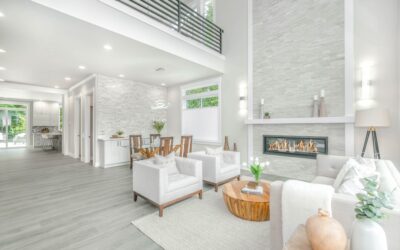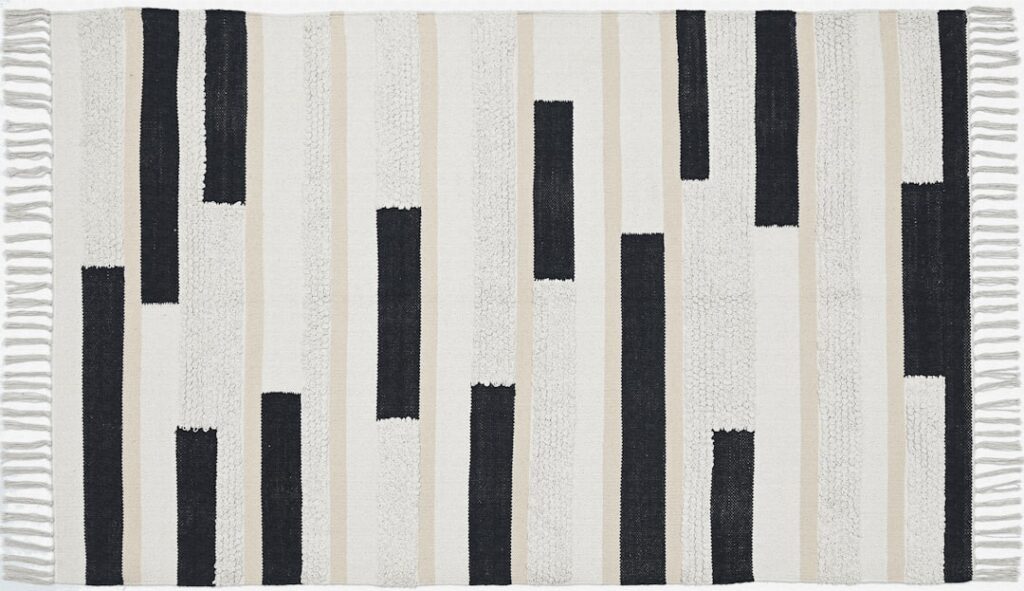
A modern abstract rug is the design equivalent of a piece of art for your floor. Instead of traditional medallions or repeating florals, it uses free-form shapes, bold color blocks, gestural brushstrokes, and unexpected lines to bring movement and energy to a room. Because the pattern is open to interpretation, an abstract rug can tie together a space, introduce a pop of color, or serve as the single statement piece everything else builds around. This guide covers the styles, materials, sizing, and care that help you choose the right one.
What Defines an Abstract Rug
Abstract design rejects literal imagery in favor of shape, color, and texture. On a rug, that might mean overlapping geometric forms, watercolor-style washes, scattered organic shapes, or energetic strokes that suggest motion without depicting anything specific. The freedom of the genre is exactly its strength: with no rigid pattern to match, an abstract rug coordinates easily with varied furniture and gives you room to interpret the design however you like. It is a flexible way to add personality without committing to a fussy, formal motif.
Popular Styles to Consider
Abstract rugs span a wide aesthetic range, so it helps to know the main directions:
- Minimalist: Muted tones with a few simple shapes or lines for a calm, contemporary feel.
- Bold and colorful: Vivid blocks and brushstrokes that act as the room’s focal point.
- Watercolor and ombre: Soft, blended color transitions that feel artistic and serene.
- Geometric abstract: Intersecting shapes and asymmetric grids with a modern edge.
- Textured and tonal: Subtle patterns created through pile height and neutral colors for understated interest.
Decide first whether you want the rug to blend in or take center stage; that single choice narrows the field quickly.
Choosing the Right Material
Material affects how a rug looks, feels, wears, and cleans. Common options include:
- Wool: Naturally durable, soft, and stain-resistant; a premium, long-lasting choice.
- Synthetic fibers (polypropylene, polyester): Affordable, fade-resistant, and easy to clean, ideal for busy households.
- Viscose and art silk: Lustrous and elegant for the sheen abstract designs often showcase, but more delicate.
- Cotton: Lightweight and washable for low-traffic spaces and flat-weave styles.
For high-traffic rooms or homes with kids and pets, a quality synthetic or wool offers the best balance of looks and durability. Save delicate viscose blends for bedrooms and formal areas.
Sizing and Placement
Getting the size right matters more than almost any other decision. As a general rule, a rug should be large enough that the front legs of your seating rest on it in a living room, which visually connects the furniture. Under a dining table, choose a rug that extends at least 24 inches beyond the table edges so chairs stay on the rug when pulled out. In a bedroom, a large rug under the lower two-thirds of the bed frames the space warmly. A rug that is too small makes a room feel disjointed, so measure your seating area before you shop and err slightly larger.
Where Abstract Rugs Work Best
The versatility of abstract design lets it shine almost anywhere. In a living room, it can unify a sofa, chairs, and coffee table while injecting color. In a home office, a subtle abstract pattern adds interest without distraction. Entryways benefit from a bold runner that makes a first impression, and bedrooms gain softness and artistry underfoot. Because the design is non-directional and forgiving, it adapts well to open-plan spaces where it must coordinate with multiple zones at once.
Cost Expectations
Prices vary widely with size, material, and construction. As a general estimate, machine-made synthetic abstract rugs in a common 5-by-8-foot size run roughly $80 to $300, wool or higher-quality machine-made pieces fall around $300 to $800, and hand-knotted or designer rugs can climb well past $1,000. Larger sizes and natural fibers cost more, while synthetics keep budgets in check. Treat these as ballpark figures and confirm current pricing with retailers, since rug availability and prices change seasonally.
Care and Maintenance
Keeping an abstract rug vibrant is mostly about routine. Vacuum regularly to lift dirt before it settles into the fibers, and rotate the rug every few months so it wears and fades evenly, especially near windows. Blot spills immediately with a clean cloth rather than rubbing, which spreads stains and damages the pile. Use a quality rug pad underneath to prevent slipping, protect the floor, and extend the rug’s life. For deep cleaning, follow the manufacturer’s instructions, since wool and viscose often require professional care while many synthetics tolerate gentle spot cleaning.
Styling Tips
An abstract rug pairs beautifully with solid-colored or simply patterned furniture that lets the rug breathe. Pull one or two accent colors from the rug into pillows, throws, or art to create a cohesive look without overmatching. If the rug is bold, keep surrounding pieces restrained; if it is subtle, you have more freedom to layer other patterns. Above all, choose a design you genuinely enjoy, since a rug is something you live with daily and an abstract piece becomes a quiet expression of your style.
Layering and Color Strategy
Working an abstract rug into an existing room is easier when you treat it as the anchor and build outward. Identify the dominant color and one or two secondary tones in the rug, then echo those hints elsewhere, a throw pillow here, a vase or piece of art there, so the eye travels naturally around the space. You do not need to match exactly; a loose connection of tones reads as more sophisticated than everything coordinating perfectly.
Layering rugs is another technique worth knowing. A smaller abstract rug placed over a large natural-fiber base like jute adds depth and defines a seating zone within an open room. This works particularly well in lofts and studio apartments where you want to separate functions without walls. Pay attention to undertones, too: warm abstract palettes with rust, ochre, and terracotta suit cozy, traditional-leaning rooms, while cool palettes of blue, gray, and teal feel crisp and contemporary. If your space already has a lot going on, choose a tonal, low-contrast abstract that adds texture without competing. A little restraint in the surrounding decor lets the rug do exactly what it does best, carry the artistic weight of the room.
With the right size, material, and placement, a modern abstract rug does more than cover the floor; it sets the tone for the entire room and gives you an easy, art-driven way to make a space feel finished and personal.