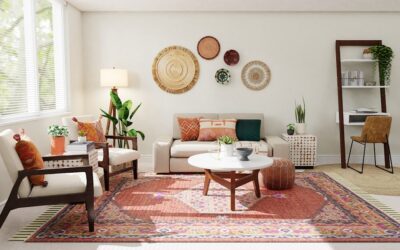
A single rug anchors a room, but layering rugs transforms it. This designer technique adds depth, warmth, and visual interest without a renovation or a massive budget. Whether you are working with hardwood, tile, or even wall-to-wall carpet, stacking two or more rugs creates a custom look that one rug alone cannot achieve. The key is knowing which combinations work and which ones create a cluttered mess.
Why Layering Rugs Works in Any Space
Designers have used rug layering for decades to define zones in open floor plans, soften hard surfaces, and inject personality into neutral rooms. A large jute rug underneath a smaller patterned kilim, for example, creates a focal point while covering enough floor to make the space feel finished. The bottom layer does the heavy lifting on coverage, and the top layer brings color and character.
Layering also solves a practical problem. Odd-shaped rooms or oversized living areas often fall between standard rug sizes. Instead of spending $1,500 or more on a custom-cut rug, you can layer a 5×8 accent rug over a 9×12 natural fiber base for a fraction of the cost.
Choosing the Right Base Rug
Your bottom rug sets the foundation. Flat-weave and natural fiber rugs work best because they sit low to the ground and keep the top layer stable. Jute, sisal, and seagrass are popular choices that range from $150 to $400 for an 8×10.
- Jute rugs — Soft underfoot, neutral tan color, affordable. Best for living rooms and bedrooms.
- Sisal rugs — Tighter weave, more durable, slightly rougher texture. Good for entryways and dining areas.
- Seagrass rugs — Naturally stain-resistant, smooth surface. Works well in kitchens and sunrooms.
- Flat-weave cotton or wool — Solid colors that complement a busier top rug without competing.
Avoid thick shag or high-pile rugs as a base. They create an uneven surface that makes the top rug bunch and slide.
Picking the Top Layer
The accent rug on top should be at least two sizes smaller than the base. A good rule: leave 12 to 18 inches of the bottom rug visible on all sides. This border effect frames the top piece and keeps the look intentional rather than accidental.
Bold patterns, rich colors, and interesting textures shine on top. Vintage Persian rugs, Moroccan diamonds, or graphic modern prints all pair well with a neutral base. If your room already has a lot going on with patterned curtains or bold furniture, choose a top rug with a subtle texture like a hand-loomed wool or a tone-on-tone design.
Pattern Mixing Without the Chaos
Mixing patterns is where most people freeze up, but the rules are straightforward. Pair a geometric with an organic pattern, or combine a large-scale print with a small-scale one. Stripes over a solid base always works. A floral over a herringbone can work if they share at least one color.
- Safe combo: Solid jute base + patterned kilim or dhurrie on top
- Intermediate: Subtle striped base + bold medallion or trellis top rug
- Advanced: Two patterned rugs at different scales with a shared color palette
Stick to a cohesive color story. Pull two or three colors from your room and make sure both rugs reference at least one of them. That shared thread ties the layers together visually.
Size and Placement Guidelines
Room function dictates placement. In a living room, the base rug should be large enough for all furniture legs to sit on it, typically 8×10 or 9×12. The accent rug goes in front of the sofa or under the coffee table, usually a 4×6 or 5×7.
For bedrooms, place the large base rug under the bed so it extends 24 inches on each side. Layer a smaller runner or sheepskin at the bedside for softness and warmth when your feet hit the floor in the morning. In a dining room, the base must extend at least 24 inches beyond the table on all sides so chairs stay on the rug when pulled out.
Entryways and hallways benefit from layering rugs too. A narrow runner over a slightly wider flat-weave creates a polished, pulled-together look in spaces that often feel like afterthoughts.
Keeping Layered Rugs in Place
Slipping is the biggest complaint with layered rugs. A rug pad underneath the base rug is non-negotiable, but you also need grip between the two layers. A thin felt-and-rubber pad cut to the size of the top rug handles this well. Double-sided carpet tape works for lightweight accent rugs, though it can leave residue on natural fibers.
For high-traffic areas, look for rug gripper mesh sold by the roll at home improvement stores for around $15 to $25. Cut it to size and place it between layers. It adds virtually no height but keeps everything locked down.
Layering Rugs on Different Floor Types
On hardwood or tile, layering rugs is straightforward. Use a quality rug pad on the bottom to protect the floor and prevent sliding. On laminate or vinyl plank, avoid rubber-backed pads that can discolor the surface; choose felt pads instead.
Layering on top of wall-to-wall carpet sounds counterintuitive, but it works in rentals and rooms where you cannot remove the existing carpet. Use a flat-weave rug as the base or skip it entirely and place a single accent rug directly on the carpet. A thin rug pad designed for carpet-on-carpet use prevents bunching.
Budget-Friendly Tips for Layering Rugs
You do not need designer budgets to pull off this look. Natural fiber base rugs from retailers like IKEA or Rugs USA start at $80 for a 5×8. Vintage and secondhand shops are goldmines for unique accent rugs at $30 to $100. Estate sales and online marketplaces often have hand-knotted rugs at a fraction of retail.
Another budget move: use an inexpensive solid indoor-outdoor rug as the base. They are durable, easy to clean, and come in large sizes for under $100. Layer a higher-quality accent rug on top, and the overall cost stays under $250 for a layered look that reads as curated and intentional.
Seasonal swaps keep things fresh without replacing both rugs. Switch the top layer from a lightweight cotton in summer to a thick wool or faux fur in winter. The base stays put year-round while the room gets a completely new feel for minimal cost.