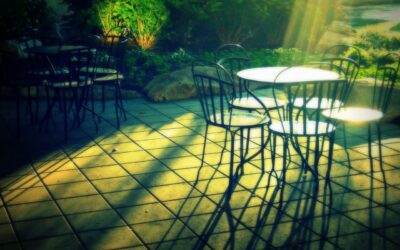
Plain gray concrete has an image problem, but the material itself is one of the most versatile canvases in outdoor design. The best modern concrete patio ideas prove that a slab can look every bit as refined as porcelain pavers or natural stone at a fraction of the cost, using clean lines, warm finishes, and smart layout instead of expensive materials. Whether you are pouring a fresh patio or resurfacing a tired one, a few design decisions separate a sleek, architectural space from a bland driveway-in-the-backyard. This guide walks through the finishes, colors, shapes, and details that give concrete a modern, high-end feel.
Part of our Decks & Outdoor guide — explore the full guide →
Finishes That Elevate Plain Concrete
The finish is where modern concrete earns its style. A raw broom finish reads utilitarian, but a handful of upgraded finishes turn the same slab into a designer surface.
- Smooth trowel finish: A tight, hard-troweled surface gives a sleek, minimalist look ideal for contemporary homes, though it can be slick when wet.
- Polished concrete: Ground and honed to a soft sheen, it mimics the look of terrazzo and pairs beautifully with modern glass and steel.
- Sandblasted or exposed aggregate: Reveals the stone within for texture and grip, in a controlled, intentional way.
- Micro-topping overlays: A thin cementitious coat resurfaces old concrete with a fresh, seamless modern face.
For a modern aesthetic, lean toward smooth and honed finishes with subtle texture for traction. A light broom finish laid in a single direction can also look clean and deliberate when the edges are crisp.
Color and Staining Strategies
Nothing dates a patio like harsh, uniform gray. Modern designs use color to warm the space and tie it to the home’s palette. Integral pigment, mixed into the concrete before the pour, delivers consistent color throughout the slab, while acid and water-based stains applied after curing create mottled, natural-looking tones.
Charcoal and graphite grays feel architectural and pair with black window frames and metal accents. Warm greiges and soft tans read organic and Mediterranean. For a genuinely modern look, keep the palette restrained: one main slab color, perhaps with a slightly darker border band, rather than a busy multicolor pattern. Sealing over the color deepens the tone and adds a subtle sheen that makes the surface look intentional and finished.
Clean Lines With Saw-Cut Patterns
Control joints are necessary to manage cracking, so modern designs turn that necessity into a design feature. Instead of standard grid squares, saw-cut the slab into large-format rectangles, oversized geometric grids, or a running-bond pattern that mimics big stone tiles. The wider the spacing between cuts, the more contemporary and expansive the patio feels.
Fill the joints with a contrasting material for extra impact: dark polymeric sand, thin strips of gravel, or even bands of turf between concrete “tiles” for a floating-plank look. Keeping the cuts crisp, parallel, and aligned with the house’s architecture is what gives the surface that custom, designed feel rather than a poured-and-forgotten slab.
Shapes and Layouts With Impact
Modern outdoor design favors bold, simple geometry. A large rectangular slab with sharp 90-degree corners feels clean and purposeful. Floating concrete pads separated by gravel or ground cover create a stepped, gallery-like path across the yard and read as thoroughly contemporary.
- Floating pads: Individual squares or rectangles set into gravel or greenery for an airy, modern rhythm.
- Continuous L-shape: Wraps a corner of the house to connect a dining zone and a lounge zone.
- Concrete plus mixed materials: Combine slabs with wood decking or steel edging for warmth and contrast.
- Sunken lounge: Step the patio down a level to define an intimate seating area with built-in concrete benches.
Whatever the footprint, scale it to your furniture. A modern patio needs breathing room, so size the slab so a dining set or lounge grouping sits with a comfortable margin around it rather than crammed to the edges.
Built-In Features and Furniture
The most striking modern patios blur the line between hardscape and furniture. Poured-in-place concrete benches, low seat walls, planters, and even fire features extend the material into three dimensions and eliminate clutter. A long floating bench cantilevered off a seat wall is a hallmark of contemporary outdoor design.
A linear gas fire pit set into a concrete surround becomes the focal point of an evening space, and its clean rectangular form suits the modern vocabulary far better than a round stone ring. Built-in planters with crisp edges hold ornamental grasses that soften all the hard geometry. Because these features are permanent, plan their locations and any gas or electrical runs before the pour so conduit and sleeves are cast in place.
Lighting the Modern Patio
Lighting turns a good patio into a great one after dark, and modern schemes favor layered, low-glare fixtures. Recessed in-ground uplights washing a wall or grazing a textured surface add drama. Linear LED strips tucked under the lip of a seat wall or bench create a floating glow that emphasizes the clean lines.
Path lights with simple cylindrical or angular forms guide movement without visual clutter, and warm 2,700K color temperature keeps the mood inviting rather than clinical. Put the lighting on a low-voltage transformer with a timer or smart control so the space transitions automatically from day to evening. Cast conduit into the slab during the pour to avoid surface-mounted wiring that would spoil the minimalist look.
Blending Concrete With Other Materials
Some of the most sophisticated modern patios do not use concrete alone. Mixing the slab with warmer or contrasting materials adds depth and keeps a large expanse from feeling cold or monotonous. The contrast is what gives a space its designed, layered look.
- Wood and concrete: Inset ipe or composite decking strips between concrete pads, or border the slab with a warm wood deck for a dining zone.
- Concrete and gravel: Surround floating pads with pea gravel or crushed stone for texture, drainage, and an organic edge.
- Concrete and steel: Corten steel edging or planters add an industrial warmth that suits modern homes.
- Concrete and turf: Strips of real or artificial grass between large concrete tiles create a striking floating-plank effect.
- Concrete and stone: A band of natural stone or large-format porcelain as an accent border frames the slab.
The trick is restraint. Pick one or two complementary materials and repeat them deliberately rather than mixing five finishes. A concrete field with a single warm wood accent reads far more modern and intentional than a busy patchwork.
Planning the Pour and Getting It Right
A modern concrete patio lives or dies on the quality of the pour, so the prep work deserves as much attention as the design. A proper base of 4 to 6 inches of compacted gravel gives the slab a stable, well-draining foundation that resists cracking and settling. The slab itself should be at least 4 inches thick for a patio, poured over a base graded to slope away from the house at about a quarter inch per foot so water drains and never pools.
Reinforcement with steel rebar or welded wire mesh controls cracking and keeps the slab intact over time, and control joints cut at the right spacing give any cracks a place to hide. Timing matters too: concrete finished in extreme heat or cold can cure poorly, so pros schedule pours for mild days and cure the slab slowly for maximum strength. Because a patio is a permanent, highly visible surface, this is a project where hiring an experienced concrete crew usually pays off, especially for decorative finishes, integral color, and crisp saw-cut patterns that demand skill to execute cleanly. Plan any conduit for lighting, gas lines for a fire feature, and sleeves for future additions before the pour, since retrofitting them into cured concrete is costly and messy.
Keeping It Low Maintenance
Part of concrete’s modern appeal is how little it asks of you. Seal the surface every two to three years to protect color and resist stains, and reseal high-traffic and dining zones more often. Sweep debris and rinse periodically, and treat oil or grease spills promptly with a degreaser so they do not soak in.
In freeze-thaw climates, use a breathable penetrating sealer rather than a heavy film that can trap moisture and flake, and never use de-icing salts, which pit and spall the surface; sand provides traction without the damage. With minimal upkeep, a well-designed concrete patio holds its modern good looks for decades, delivering high-end style at a hardscape price. Start with a clean shape, add a warm color and a refined finish, cut bold joint patterns, and layer in built-ins and lighting, and you get an outdoor room that looks custom without the custom-material budget.