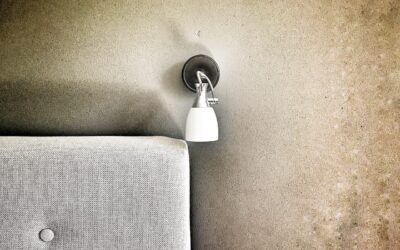
Choosing among the many modern drywall texture types can transform how a room feels, hiding imperfections, adding subtle depth, or delivering the clean, minimalist look that defines contemporary homes. Wall and ceiling texture has moved well beyond the dated popcorn ceilings of past decades. Today’s homeowners lean toward smooth finishes and soft, understated textures that read as intentional and current. Whether you are finishing new drywall, remodeling, or covering up damage, understanding the common texture styles, how they are applied, and what each costs will help you pick the right look for your space.
Part of our Paint & Walls guide — explore the full guide →
This guide covers the most popular modern drywall textures, how they are applied, their costs, and where each one works best.
- Why Drywall Texture Matters
- Smooth (Level 5) Finish
- Orange Peel Texture
- Knockdown Texture
- Skip Trowel Texture
- Level 4 Light Texture and Fine Finishes
- Textures to Avoid for a Modern Look
- How Drywall Texture Is Applied
- DIY vs. Hiring a Pro
- Common Mistakes to Avoid
- Matching Texture When Patching a Wall
- Removing or Updating Old Texture
- Choosing the Right Texture for Your Home
Why Drywall Texture Matters
Texture does more than decorate. It hides minor imperfections in the drywall and taping, reduces glare from light raking across a wall, and can add acoustic and visual character. The style you choose signals the era and feel of your home: heavy textures like popcorn read as dated, while smooth and lightly textured walls feel modern and clean. Texture also affects future maintenance, since some finishes are easier to patch and repaint than others.
Smooth (Level 5) Finish
The most sought-after modern look is no texture at all. A Level 5 finish involves a skim coat of joint compound over the entire surface, sanded perfectly flat, for a glass-smooth wall. It is the standard in high-end contemporary and minimalist homes. Smooth walls look clean and let paint color and lighting take center stage, but they are the least forgiving: every imperfection shows, so they demand skilled labor. Smooth finishes cost more, typically $1.50 to $3.00 or more per square foot for the skim coat and finishing, because of the extra labor and material.
Orange Peel Texture
Orange peel is a subtle, spattered texture that resembles the skin of an orange. It is one of the most common modern textures because it hides minor flaws while still looking clean and understated. It is sprayed on with a hopper gun and left to dry without knocking down. Orange peel is durable, easy to clean, and widely used in bedrooms, living rooms, and hallways. It costs less than smooth, roughly $1.00 to $2.00 per square foot, and is more forgiving for DIYers.
Knockdown Texture
Knockdown is applied like orange peel but then flattened, or knocked down, with a wide drywall knife or trowel after it starts to set. This creates a mottled, stucco-like pattern with soft flattened peaks. It bridges rustic and modern styles and does an excellent job hiding imperfections, which makes it popular in living areas and on ceilings. There are variations including splatter knockdown, trowel knockdown, and mud knockdown, each with a slightly different look. Cost runs about $1.00 to $2.50 per square foot.
Skip Trowel Texture
Skip trowel is a hand-applied texture created by dragging a curved trowel across thinned joint compound, leaving thin, irregular, skipped patches. It produces a refined, Mediterranean or Old-World look that many designers consider more upscale than sprayed textures. Because it is applied by hand, it is labor-intensive and typically costs more, around $1.50 to $3.00 per square foot, and rewards an experienced applicator. It works beautifully in transitional and Spanish-style homes.
Level 4 Light Texture and Fine Finishes
Between smooth and orange peel sit very light textures and fine sprays that give walls a barely-there tactile quality while remaining easy to maintain. These finishes suit homeowners who want the modern feel of smooth walls but need a little forgiveness for imperfections or want to reduce the labor cost of a true Level 5 finish. A fine spray or light orange peel is a practical middle ground for many remodels.
Textures to Avoid for a Modern Look
- Popcorn (acoustic) ceilings: The bumpy spray-on ceiling texture of the 1970s and 80s now reads as dated, and older versions can contain asbestos, so removal should be tested first.
- Heavy stomp or rosebud: Bold stamped patterns feel busy and old-fashioned in contemporary interiors.
- Heavy swirl: Ornate hand-swirled patterns are labor-intensive and out of step with clean modern design.
If your home has these, skimming them smooth or applying a light knockdown over them is a common way to modernize without full removal.
How Drywall Texture Is Applied
- Spray textures (orange peel, knockdown): Applied with a hopper gun and air compressor, thinned joint compound is sprayed onto primed drywall. Knockdown adds a troweling pass.
- Hand textures (skip trowel, smooth): Joint compound is troweled or skim-coated by hand, requiring more skill and time.
- Prep matters: Walls should be taped, sanded, and primed first. The compound is thinned to the right consistency, and practice on scrap or a hidden area is essential before doing a visible wall.
DIY vs. Hiring a Pro
Sprayed textures like orange peel and knockdown are within reach of a determined DIYer who rents a hopper gun and practices first; the main risks are inconsistent spray and mismatched patches. Smooth Level 5 and skip trowel finishes are much harder to do well and usually justify hiring a professional, since flaws in these finishes are highly visible. Professional texturing runs about $1.00 to $3.00 per square foot depending on the finish, while DIY cuts that to material and rental costs, roughly $0.20 to $0.50 per square foot, at the cost of your time and a learning curve.
Common Mistakes to Avoid
- Skipping primer: Texture over unprimed drywall can flash and adhere unevenly.
- Wrong compound consistency: Too thick clogs the gun; too thin runs and looks weak. Test first.
- Not matching existing texture on patches: Repairs stand out if the pattern and knock-down timing differ.
- Rushing the knockdown: Knock down too soon and it smears; too late and it will not flatten.
- Choosing a dated texture: Heavy popcorn and swirl undercut a modern look; lean smooth or lightly textured.
Matching Texture When Patching a Wall
One of the trickiest jobs for homeowners is matching existing texture when repairing a hole or patch. A perfectly smooth patch surrounded by orange peel, or a heavy knockdown patch next to a fine spray, will stand out under raking light no matter how well you paint. The key is identifying the existing pattern first, then reproducing it. For orange peel, aerosol texture cans sold at home centers let you spray a small area and dial in the spatter size with the nozzle. For knockdown, you spray the texture and then flatten it with a knife once it begins to set, matching the timing to the surrounding peaks.
Practice on cardboard or a scrap of drywall before touching the wall, and feather the new texture slightly into the surrounding area so there is no hard edge. Prime the patch before texturing so it absorbs paint evenly, and repaint the entire wall corner-to-corner rather than spot-painting, since even a perfect texture match will show a paint halo if you only touch up the patch. Getting texture and paint to blend takes patience, but it is what separates an invisible repair from an obvious one.
Removing or Updating Old Texture
Many homeowners inherit dated heavy textures or popcorn ceilings and want a cleaner, modern look. There are two main paths. The first is skim-coating: applying one or more thin layers of joint compound over the existing texture, then sanding smooth for a Level 5 finish or applying a new lighter texture on top. This is labor-intensive but avoids the mess of removal and works well over most wall textures.
The second path is scraping, most common for popcorn ceilings. The texture is misted with water to soften it, then scraped off, after which the surface is repaired and refinished. A critical safety note applies here: popcorn ceilings installed before the 1980s may contain asbestos, so test a sample through a certified lab before disturbing it. If asbestos is present, removal should be handled by a licensed abatement professional. For newer, asbestos-free textures, a careful DIYer can scrape and refinish, but it is dusty, messy work that benefits from protective sheeting and patience.
Choosing the Right Texture for Your Home
For a truly modern, high-end feel, smooth walls are the gold standard, but they demand skilled labor and careful maintenance. Orange peel and knockdown offer clean, current looks that hide imperfections and cost less, making them the practical favorites for most homes. Skip trowel adds an upscale, artisanal touch for transitional and Mediterranean styles. Match the texture to your home’s design, your budget, and how forgiving you need the finish to be.
Among the modern drywall texture types available today, the trend is unmistakably toward cleaner, quieter finishes that let color, light, and architecture do the talking. Whether you go fully smooth or choose a subtle orange peel or knockdown, picking the right texture and applying it well will give your walls a fresh, contemporary look that feels intentional and holds up for years.