The most interesting kitchens rarely commit to a single era. A modern vintage kitchen marries the warmth and character of the past with the clean lines and convenience of today, creating a space that feels collected rather than catalog-ordered. Done well, it pairs an antique table with sleek cabinetry, or a farmhouse sink with quartz counters. The trick is balance, knowing how much old to mix with how much new. This guide shows you how to strike that balance with confidence.
The Appeal of Mixing Eras
A purely modern kitchen can feel cold, while a strictly vintage one can feel impractical for daily life. Blending the two gives you the best of both: the soul and texture of vintage design alongside the efficiency and durability of modern materials and appliances. The contrast itself becomes the design statement.
This approach also lets you tell a story. A reclaimed wood shelf, an heirloom dish cabinet, or a salvaged light fixture brings personality that no showroom can replicate, while modern surfaces keep the room functional and easy to maintain.
Start with a Balanced Foundation
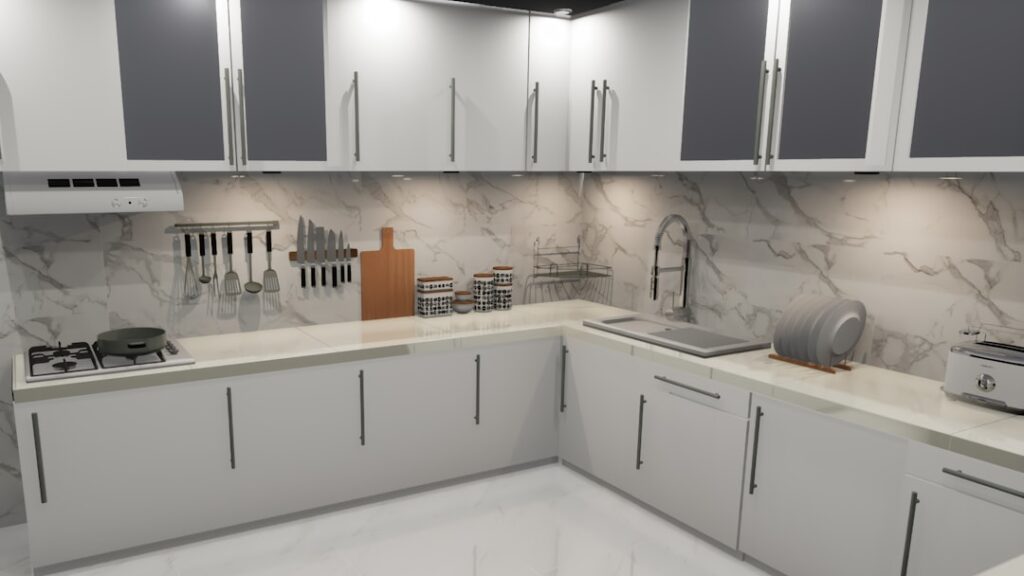
Decide which element will anchor the room. Many homeowners choose modern cabinetry and counters as the clean foundation, then layer vintage character on top. Shaker or flat-panel cabinets in a soft, timeless color, paired with durable quartz or butcher-block counters, create a calm base.
From there, the vintage layer adds warmth. A general rule is to keep roughly two-thirds of the room cohesive and modern, reserving the final third for vintage accents. This prevents the space from tipping into either sterile or cluttered territory.
Materials That Bridge Both Styles
Certain materials feel at home in both eras and act as natural bridges between old and new:
- Natural wood: open shelving, a butcher-block island, or a reclaimed beam adds vintage warmth that complements modern cabinetry.
- Subway tile: a backsplash classic that reads modern in white but vintage in handmade or colored versions.
- Soapstone and marble-look surfaces: stone counters feel timeless and pair well with both antique and contemporary pieces.
- Brass and aged metals: warm metal finishes nod to the past while feeling current in today’s hardware and fixtures.
Color Palette
A restrained palette keeps the mix from feeling chaotic. Soft neutrals such as warm white, cream, sage, and muted blue-gray work beautifully as a base, letting vintage pieces stand out. These colors feel both heritage and modern, so they bridge the two worlds naturally.
Introduce deeper tones in moderation. A navy or forest-green island, or black window frames, adds modern contrast against vintage wood and brass. Avoid trendy, high-saturation colors that will date the room and undercut the timeless feel you are after.
Fixtures, Hardware, and Lighting
Details carry the vintage personality. Cup pulls and bin handles in aged brass or pewter instantly read traditional, while a sleek faucet keeps the function modern. A farmhouse apron-front sink is a signature move that bridges both styles effortlessly.
Lighting is one of the easiest places to inject vintage character. Schoolhouse pendants, an antique-inspired chandelier over the island, or exposed-bulb fixtures bring old-world charm. Pair them with modern recessed or under-cabinet LED lighting so the room stays bright and practical for cooking.
Appliances: Modern Function, Vintage Look
You do not have to sacrifice performance for style. Many homeowners choose modern, high-efficiency appliances and either integrate them behind cabinet panels or select retro-styled models that mimic mid-century lines while delivering current technology. A panel-ready refrigerator disappears into vintage-style cabinetry, while a range with classic detailing anchors the room.
The goal is to let appliances serve modern life without breaking the historic mood. Hiding or styling them keeps the vintage atmosphere intact while you enjoy reliable, energy-efficient performance.
Layering Accessories and Decor
Accessories are where the personality lives. Display a collection of vintage glassware, hang an old enamel sign, or set out a well-worn cutting board and copper pots. Mix in a few modern pieces, like a simple ceramic vase or sleek bar stools, so the room feels current rather than like a museum.
Open shelving is ideal for this layered look, letting you rotate vintage finds and everyday modern items together. Keep the styling intentional and avoid overcrowding, since negative space is what keeps the modern half of the equation breathing.
Flooring That Ties It Together
Flooring anchors the whole room and is a natural place to bridge eras. Hardwood is the classic choice, reading vintage when finished in a warm, lived-in tone and modern in a wider plank or matte finish. Reclaimed wood floors bring genuine age and character that new materials cannot fake.
For homeowners who want vintage charm with modern durability, patterned tile and wood-look plank offer compelling options. A black-and-white checkerboard or an encaustic-style patterned tile nods to vintage kitchens while standing up to heavy use. Whatever you choose, keep the flooring tone coordinated with your cabinetry and wood accents so the room feels cohesive underfoot.
Common Mistakes to Avoid
The biggest pitfall is going too far in one direction, ending up with either a sterile modern box or a cluttered antique shop. Aim for tension between the two styles, not dominance by either. Another mistake is mixing too many competing finishes and colors, which reads as chaotic rather than collected.
Watch out for these missteps:
- Using too many different metal finishes instead of one or two consistent choices
- Chasing trendy colors that will date the room and undercut the timeless goal
- Overcrowding open shelves until the curated look becomes clutter
- Forgetting function, since a beautiful kitchen still has to work for daily cooking
Edit ruthlessly, and the blend will feel intentional.
Final Thoughts
A modern vintage kitchen succeeds when old and new feel like deliberate partners rather than a random collision. Build a clean, modern foundation, weave in vintage materials, warm metals, and characterful lighting, and let curated accessories tell your story. Choose flooring that bridges both eras, avoid overcrowding and trend-chasing, and keep a restrained palette with a two-thirds-to-one-third balance. The result is a kitchen that is both timeless and thoroughly livable.