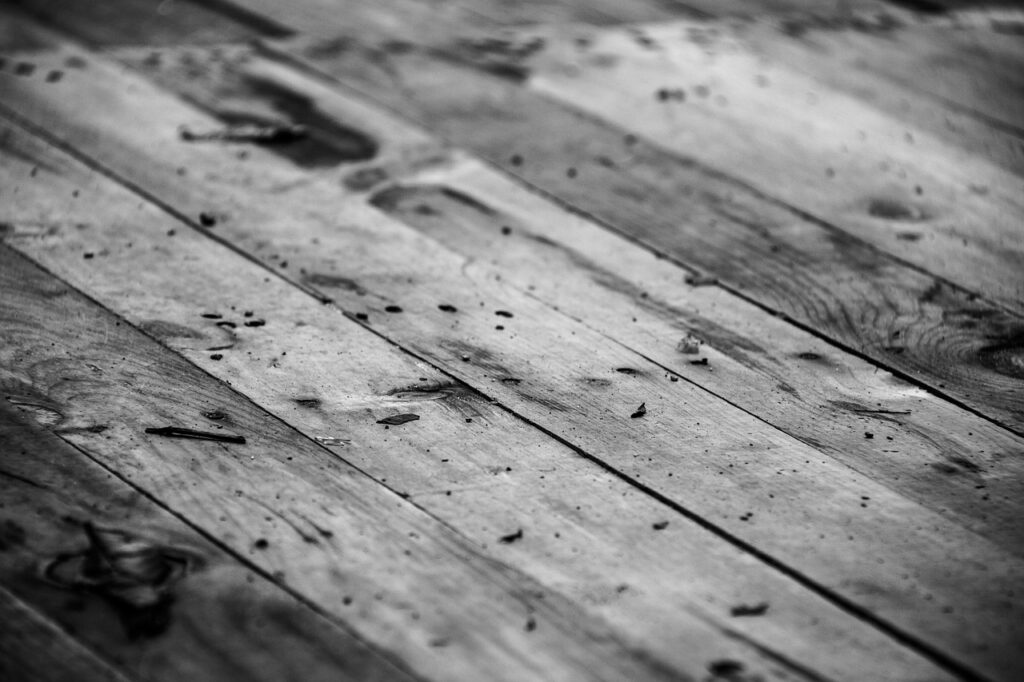
Dark blemishes creeping across a wood floor are alarming, and they are easy to misread. Mold black spots on hardwood floor can look identical to ordinary water stains, but the treatment and the health stakes are completely different. Mold is a living organism that spreads and releases spores, while a water stain is a chemical reaction in the wood. Telling them apart is the first step, and this guide shows you how to diagnose, clean, and prevent black spots so they do not return or spread into a bigger problem.
- What Causes Black Spots on Hardwood Floors
- Mold vs. Water Stains: How to Tell the Difference
- How to Safely Clean Mold From Hardwood
- Treating Deep Black Stains in the Wood
- When to Call a Professional
- Health Risks You Should Not Ignore
- Preventing Mold and Black Spots From Returning
- Final Word on Black Spots
- Frequently Asked Questions
What Causes Black Spots on Hardwood Floors
Nearly every dark spot traces back to one culprit: moisture. Water that lingers on or under wood feeds mold and reacts with the natural tannins and iron in the fibers to create black discoloration. Common sources include leaking appliances, pet accidents, potted plants, high humidity, and slow subfloor leaks that go unnoticed for weeks.
Mold needs three things to grow, moisture, organic material, and warmth, and a damp wood floor supplies all three. Once spores land on a wet board and the humidity stays above 60 percent, colonies can appear within 24 to 48 hours. That is why a spill left overnight or a bathroom without ventilation so often turns into a spreading patch of black rather than a single ring.
Mold vs. Water Stains: How to Tell the Difference
Look closely before you treat anything. Mold usually has a fuzzy, raised, or powdery texture and may show green, white, or gray tones mixed into the black. It often spreads in an irregular, blotchy pattern and carries a musty, earthy odor. If you wipe it and it smears or reappears, you are dealing with a living organism.
Water stains, by contrast, are flat, smooth, and confined to defined rings or patches where liquid pooled. They have no smell and do not spread on their own. A quick test: dab a little diluted hydrogen peroxide on the spot. Mold will often bubble and lighten quickly, while a mineral stain reacts far less. When mold is present, address the moisture source before you clean, or the spots come straight back.
How to Safely Clean Mold From Hardwood
Protect yourself before touching visible mold. Wear an N95 respirator, rubber gloves, and eye protection, and open windows or run a fan to ventilate the room. For surface mold on a sealed floor, mix a solution of one part dish soap, ten parts warm water, and a splash of white vinegar, then scrub the spot with a soft brush and wipe it dry immediately.
For tougher growth, undiluted white vinegar kills roughly 82 percent of mold species and is safe on most finishes. Spray it on, let it sit 10 minutes, scrub gently, and dry thoroughly. Avoid soaking the wood, since adding more water feeds the problem. Steer clear of bleach on hardwood; it does not penetrate porous wood to kill roots and can bleach the finish while leaving the mold beneath alive.
Treating Deep Black Stains in the Wood
When black penetrates below the finish into bare wood, cleaning the surface is not enough. Sand the spot with 120- to 150-grit sandpaper to expose the discolored fibers, then apply oxalic acid wood bleach, available for about $10 to $15, which specifically targets black iron-tannin staining and mold discoloration deep in the grain.
Brush the oxalic acid solution on, wait 20 to 30 minutes, and watch the dark color fade. Neutralize with a baking soda rinse, let the board dry completely for 24 hours, and check that the spot is gone. Then re-stain to match the surrounding floor and seal with two coats of polyurethane. Work only the discolored board rather than sanding into its neighbors, so you do not create a shallow dip that catches the light. If the wood is soft, crumbly, or the stain spans a wide area, that plank has likely rotted and needs to be cut out and replaced. Save a few spare boards whenever you install or refinish a floor, since matching a discontinued profile later is often the hardest part of the repair.
When to Call a Professional
Some situations are beyond a DIY scrub. Call a mold remediation specialist if the affected area exceeds about 10 square feet, if mold keeps returning after cleaning, if it has spread into the subfloor or wall cavities, or if anyone in the home has respiratory issues, allergies, or a weakened immune system.
Recurring mold almost always signals a hidden moisture source, a plumbing leak, poor subfloor ventilation, or a foundation problem, that must be found and fixed. Professionals use moisture meters and thermal cameras to locate the source and can remove and rebuild affected sections safely. Remediation typically runs $500 to $3,000 depending on scope, far cheaper than letting mold undermine your subfloor and framing.
Health Risks You Should Not Ignore
Black spots are not just a cosmetic problem, and treating them casually can put your household at risk. Mold releases spores and, in some species, mycotoxins that trigger allergic reactions, aggravate asthma, and cause coughing, sneezing, watery eyes, and headaches. People with respiratory conditions, young children, the elderly, and anyone with a compromised immune system react more severely and should stay out of the room during cleanup.
The musty smell that often accompanies dark spots is itself a warning sign, indicating active mold releasing microbial compounds into the air even before you can see extensive growth. Disturbing a colony by scrubbing it dry sends a burst of spores airborne, which is exactly why an N95 respirator, gloves, and ventilation are non-negotiable when you clean. Bag and remove contaminated materials promptly rather than letting them sit.
Understanding these stakes changes how you prioritize the problem. A single small water stain can wait a weekend, but a spreading, fuzzy, foul-smelling black patch deserves prompt attention both for your floor and for the air your family breathes. When growth is widespread or anyone in the home is sensitive, err on the side of professional remediation rather than risking exposure to clear it yourself.
Preventing Mold and Black Spots From Returning
Keeping a floor dry is the whole game. Wipe spills immediately, use a waterproof tray under every plant, and never let pet accidents sit. Keep indoor humidity between 35 and 50 percent with a dehumidifier or air conditioning, especially in basements and bathrooms where damp air lingers.
Maintain your floor’s protective finish by re-coating worn, high-traffic zones so water cannot reach the raw wood. Run exhaust fans in kitchens and bathrooms, fix leaks the day you spot them, and inspect under appliances and sinks every few months. A properly sealed, well-ventilated floor with controlled humidity rarely develops black spots, and catching moisture early is far easier than removing established mold.
Final Word on Black Spots
Diagnose before you clean, protect yourself when mold is involved, and always fix the moisture source first. Surface mold wipes away with vinegar and soap, while deep black stains need sanding and oxalic acid to reach the discoloration bound up in the grain. Know when a spot has crossed into rot or widespread growth that warrants a pro rather than a DIY scrub.
The through-line in every case is moisture control. A floor kept dry, sealed, and ventilated simply does not develop the black spots that plague damp, neglected rooms, so the best cure is prevention. Inspect the usual trouble zones, under sinks, behind the fridge, around exterior doors, on a regular schedule, and address any dampness the day you find it. Do that consistently, and your hardwood floor can stay clean, dry, and spot-free for years.
Frequently Asked Questions
Can moisture from a concrete slab cause dark spots on hardwood floors?
Yes. Concrete slabs wick ground moisture upward, and without a proper vapor barrier that moisture collects under the boards, darkening them from below and feeding mold. Dark patches near a kitchen island, exterior doors, or in a band across the room often point to slab moisture or a hidden plumbing leak. A flooring pro can test the slab with a moisture meter before the boards are refinished or replaced.
Can water under a wood floor cause black spots?
Yes. Water trapped beneath the boards from a slow leak, a damp crawl space, or flooding soaks into the underside of the wood and reacts with its tannins, so black stains can appear on the surface days or weeks later. Spots that spread from board edges or show up with cupping usually mean the source is below. Find and fix the leak, and let the floor dry fully before treating the stains.
What causes black rings or lines shaped like objects on a wood floor?
Metal reacting with moisture and the tannins in the wood is the usual cause. A damp plant stand, paint can, or steel chair leg leaves a black ring or line in its exact shape, and steel wool fibers or nails can leave dark streaks along board edges. These iron-tannin stains are not mold, so they do not spread, and oxalic acid wood bleach lightens them well.
How do you remove black heel marks from hardwood floors?
Rub black heel marks gently with a clean tennis ball, a soft cloth, or a pencil eraser, since most scuffs sit on top of the finish rather than in the wood. For stubborn marks, dampen a microfiber cloth with a pH-neutral hardwood cleaner, buff the spot, and dry it right away. Unlike mold or water stains, scuffs have no fuzzy texture or odor and come off without sanding.
Prefer to explore on your own?
See how new flooring looks in your actual room in seconds — free, no signup.
Try the free Floor Studio →