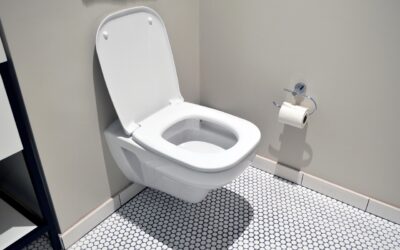
Those dark streaks in the toilet bowl that keep coming back after every flush aren’t necessarily the toxic mold your neighbor warned you about. Black mold in toilet bowls is usually one of three things: mineral staining, harmless black yeast, or in rarer cases actual Aspergillus or Stachybotrys. Identifying which one you’re looking at determines whether you clean it with vinegar or call a remediation company.
Part of our Bathroom Remodeling & Flooring guide — explore the full guide →
What’s Actually Growing
The black ring in most toilet bowls is Aureobasidium pullulans, a black yeast that thrives in chlorinated water with organic nutrients. It’s not dangerous to healthy adults. The slick dark growth inside the tank is often a mix of biofilm and bacterial colonies, again mostly harmless but aesthetically awful.
True toxic black mold like Stachybotrys chartarum requires cellulose (drywall, wood, paper) to grow. It cannot colonize porcelain or water. If you see fuzzy black growth behind the toilet on the baseboards or flooring, that’s a different and more serious problem.
Why It Keeps Coming Back
- Low water turnover: Guest bathrooms and rarely used toilets grow biofilm faster.
- Hard water: Mineral deposits give yeast something to cling to.
- Well water: Untreated wells often carry higher microbial loads than municipal supplies.
- Failing flapper: A continuously running fill slowly oxygenates the tank, feeding biofilm.
- Warm bathroom humidity: Accelerates surface growth on the rim and under the seat.
Cleaning the Toilet Bowl
Skip the one-click toilet tabs. They corrode flush valves and void most manufacturer warranties. Instead, use this sequence:
- Shut off the water supply valve at the wall. Flush to empty the bowl.
- Pour 2 cups of white vinegar into the bowl and 1 cup into the rim channel. Let sit for 30 minutes.
- Scrub aggressively with a stiff nylon toilet brush, focusing under the rim where jets feed water.
- Sprinkle 1 cup of baking soda, let foam for 5 minutes, scrub again.
- Turn water back on, flush twice.
For severe buildup, use Zep Acidic Toilet Bowl Cleaner (hydrochloric acid-based, wear gloves and ventilate). One 32-ounce bottle costs around $8 and handles the worst mineral-plus-yeast combinations.
Cleaning the Tank
The tank is dirtier than the bowl in most houses and almost never gets cleaned. Shut off the water, flush to drain, and pour 3 cups of white vinegar into the empty tank. Let it sit overnight. In the morning, scrub the walls with a sponge (not steel wool, which damages the porcelain), flush several times, and refill.
Do not use bleach in the tank. It degrades the rubber flapper and gaskets, leading to leaks within a year.
When Mold Is Actually Dangerous
Call a remediation professional if you notice any of these:
- Fuzzy black or gray-green growth on drywall, baseboards, or flooring near the toilet
- A musty earthy smell that persists after cleaning
- Water staining on the ceiling of the room below the bathroom
- Soft or discolored flooring around the toilet base
- Family members with unexplained respiratory symptoms, headaches, or rashes
These signs point to a wax ring leak or supply line drip that’s been feeding mold growth inside walls and subfloor. Remediation typically runs $500 to $3,000 depending on how far the damage has spread.
Preventing Return Growth
Flush every toilet in the house at least twice a week, even the guest bathroom. Scrub the bowl with a brush once a week; the mechanical action matters more than the cleaner brand. Install a water softener if you’re on well water or in a high-hardness municipal area; this single upgrade often stops recurring growth entirely. Run the bathroom exhaust fan for 20 minutes after every shower to keep humidity below 50 percent.
Products Worth Keeping On Hand
- Gallon of white vinegar, about $3
- Zep Acidic Toilet Bowl Cleaner for quarterly deep cleans, $8
- Stiff nylon toilet brush with caddy, $12
- Moisture meter for spot-checking flooring near the toilet base, $25
Health Considerations
For most households, black mold in toilet bowls poses no meaningful health risk. People with asthma, compromised immune systems, or young children should still clean promptly to prevent exposure to biofilm bacteria. Wear nitrile gloves, ventilate the bathroom with the fan and an open window, and never mix bleach and vinegar (produces chlorine gas). When in doubt about air quality, a home mold test kit from Home Depot runs $15 and gives a clear answer within days.
Well Water Specifics
Households on private wells face a different equation. Well water often carries iron bacteria, sulfur, and manganese that feed visible black and reddish growth regardless of how often you clean. A whole-house sediment filter ($150 to $300) catches the worst particles, and a chlorine injection system ($600 to $1,200 installed) eliminates bacterial loads before they reach any fixture. Test your well annually through your county extension office; tests run $25 to $75 and identify the exact contaminants feeding the problem.
Difference From Other Stains
Three stains frequently get confused with mold. Orange or rust-colored rings are iron deposits, cleaned with CLR or Lime-A-Way ($6). Green or blue-green staining is copper from corroding pipes and needs a plumber because it indicates pipe degradation. Pink slime is Serratia marcescens bacteria, harmless but persistent; hydrogen peroxide at 3 percent handles it. Identifying correctly means you stop scrubbing yeast with iron remover (which does nothing) or vice versa.
Cleaning Frequency Recommendations
- Primary bathroom toilet: Bowl brush scrub twice a week, full disinfection once a week
- Guest bathroom: Flush twice a week, clean every two weeks
- Powder room (rarely used): Flush weekly, deep clean monthly, vinegar tank rinse quarterly
- Rental or vacation home: Vinegar tank flush before every stay, bowl treatment on arrival
Sticking to a schedule beats any single aggressive cleaning session. Biofilm grows exponentially once it establishes, so interrupting it weekly prevents the problem from becoming visible in the first place.