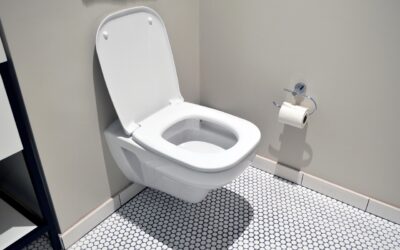
That pink or black film creeping around the waterline is not just dirt, and scrubbing it once won’t keep it gone. Knowing how to prevent mold in toilet bowl water starts with understanding what you’re actually fighting: the pink slime is usually a bacterium called Serratia marcescens, while the black spots are true mold, and both feed on the minerals, moisture, and stray organic matter in a rarely cleaned toilet. The fix is a mix of consistent cleaning, cutting off the food and moisture supply, and treating the tank, not just the bowl. Do it right and you’ll stop the regrowth cycle instead of chasing it every week.
Part of our Bathroom Remodeling & Flooring guide — explore the full guide →
- Why Mold Grows in Toilets in the First Place
- Clean on a Consistent Schedule
- Treat the Tank, Not Just the Bowl
- Cut Off the Moisture and Humidity
- Flush Regularly in Low-Use Bathrooms
- Safe Cleaning Products and Methods
- Pro Tips to Keep It From Coming Back
- Health Notes and When to Dig Deeper
- Frequently Asked Questions
Why Mold Grows in Toilets in the First Place
Toilets are a perfect storm for microbial growth. The bowl holds standing water, the room stays humid, and the porcelain collects minerals and organic residue that make ideal food. A few specific conditions accelerate it:
- Infrequent flushing: Guest baths and second bathrooms sit unused, so the same water stagnates for days.
- High humidity: Bathrooms without good ventilation stay damp, feeding spores on every surface.
- Hard water: Mineral deposits give mold and bacteria a rough surface to cling to under the rim.
- A contaminated tank: Mold often starts in the tank where it’s dark and wet, then rides the flush into the bowl.
Understanding this matters because if you only scrub the bowl, a moldy tank will reseed it within days. Treat the whole system.
Clean on a Consistent Schedule
The single most effective prevention is routine cleaning before growth takes hold. Mold and Serratia need several undisturbed days to colonize, so a weekly scrub breaks the cycle.
Once a week, apply a toilet bowl cleaner, let it sit for the label’s dwell time (usually 5 to 10 minutes), and scrub the entire bowl including up under the rim where jets hide. The area beneath the rim is the most neglected spot and where black mold and pink film usually start, so get a curved brush or an old toothbrush up into those holes. Flush, and you’ve reset the clock.
Treat the Tank, Not Just the Bowl
If the pink or black film keeps coming back within a day or two of cleaning, the tank is the culprit. Lift the lid and look for slime on the walls, the flush valve, and the flapper.
- Turn off the water supply valve behind the toilet and flush to empty the tank.
- Scrub the interior walls, flapper, and fill valve with a brush.
- Wipe everything down, then turn the water back on and let it refill.
- Repeat monthly if you have recurring growth.
Keep in mind that harsh continuous-drop tablets that sit in the tank can degrade rubber flapper seals over time, causing leaks. If you use an in-tank product, choose one labeled safe for the flapper, or stick to bowl treatments.
Cut Off the Moisture and Humidity
Mold can’t thrive without moisture in the air, so managing bathroom humidity slows growth everywhere, including the toilet. Run the exhaust fan during and for at least 20 minutes after every shower. If the room has no fan, crack a window or run a small dehumidifier to hold humidity below about 50 percent. Fix any running toilet or leaky flapper promptly, since a trickling refill keeps the bowl water moving and can spread spores, while a leak keeps surfaces perpetually damp.
Flush Regularly in Low-Use Bathrooms
Stagnant water is a breeding ground. In a guest bath or basement toilet nobody uses, the standing water sits for a week or more and grows a ring. Make it a habit to flush unused toilets every couple of days, or ask a house-sitter to do so while you travel. For a toilet that will sit unused for weeks, some people add a small amount of bowl cleaner to the water before leaving so it resists growth in the meantime.
Safe Cleaning Products and Methods
You have several effective options, from natural to heavy-duty. A caution first: never mix bleach with other cleaners, especially ammonia or acidic products like vinegar and many toilet-bowl descalers, because the combination releases toxic gases. Pick one product, ventilate the room, wear gloves, and rinse the bowl before switching to a different cleaner.
- Distilled white vinegar: Pour a cup or two into the bowl, let it sit an hour or overnight, then scrub. Mild, natural, and good for routine upkeep and light mineral scale.
- Baking soda plus vinegar: Sprinkle baking soda, add vinegar, let it fizz, then scrub. Handles film and deodorizes.
- Chlorine bleach: For stubborn black mold, add about half a cup to the bowl, let it sit 10 minutes with the fan on, scrub, and flush. Use it alone, never combined with anything.
- Hydrogen peroxide: A 3 percent solution kills mold and is a gentler alternative to bleach. Apply, wait 10 minutes, and scrub.
- Borax: A quarter cup swished around the bowl inhibits mold regrowth and works well for weekly prevention.
Pro Tips to Keep It From Coming Back
- Keep a dedicated brush per toilet and let it dry fully after use, since a wet, closed brush caddy grows its own mold.
- Wipe under the rim and around the seat hinges weekly, spots people forget.
- Install a water softener or use a descaling cleaner if hard water leaves deposits that harbor growth.
- Address bathroom-wide mold on grout and caulk, because those spores travel to the toilet.
- For chronic problems, a monthly tank cleaning plus a weekly bowl scrub almost always ends the cycle.
Health Notes and When to Dig Deeper
For most households, toilet-bowl mold and the pink Serratia film are more of a nuisance than a serious health threat, but they aren’t nothing. People with asthma, allergies, or weakened immune systems can react to mold spores, so wear gloves and keep the bathroom ventilated whenever you clean, and wash your hands afterward. If black mold keeps returning across the whole bathroom, not just the toilet, that points to a bigger moisture problem, such as a hidden leak behind the wall, a failing wax ring under the toilet, or chronic condensation from poor ventilation. In those cases, fixing the source matters more than any cleaner. A persistent musty smell that lingers after cleaning, or visible growth spreading to drywall and baseboards, is worth a look from a plumber or a mold remediation specialist before it damages the structure.
Frequently Asked Questions
What is the pink stuff in my toilet bowl?
The pink or orange film is typically Serratia marcescens, an airborne bacterium that thrives on moisture and mineral residue. It’s not the same as mold but responds to the same prevention: regular cleaning, lower humidity, and treating the tank.
Does bleach prevent mold in a toilet bowl?
Bleach kills existing mold and bacteria effectively, but it’s a treatment, not a permanent shield. Use it alone, ventilate the room, and pair it with weekly cleaning and tank maintenance to actually keep growth from returning.
How often should I clean my toilet to prevent mold?
Once a week is the sweet spot, since mold and Serratia need several undisturbed days to colonize. Add a monthly tank cleaning if the film keeps reappearing quickly after you scrub the bowl.
Can I mix vinegar and bleach to clean faster?
No. Mixing bleach with vinegar, ammonia, or other acidic cleaners releases toxic chlorine gas. Choose one product at a time, rinse thoroughly between products, and keep the bathroom ventilated while you clean.
Why does mold keep coming back in the same toilet?
Recurring growth almost always means the tank is contaminated and reseeding the bowl with each flush, or the bathroom stays too humid. Clean the tank, run the exhaust fan, and fix any running or leaking components.