
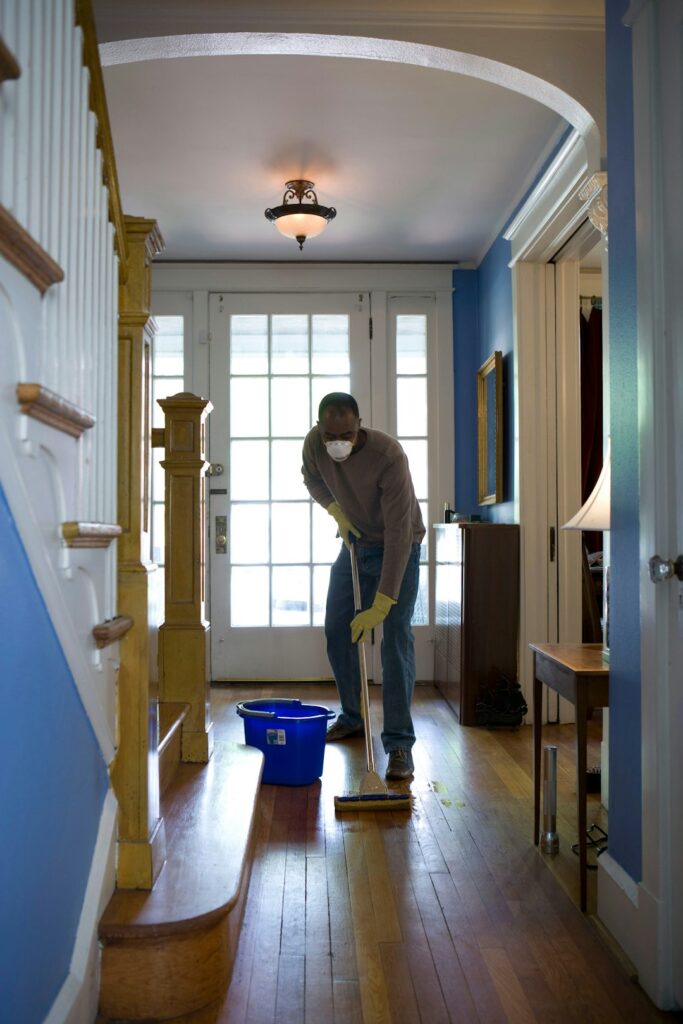
Choosing the right mops for hardwood floors is one of those decisions that seems simple but can make or break the life of your wood floors. I have seen beautiful hardwood ruined by well-meaning homeowners who used the wrong mop, the wrong cleaning solution, or too much water. After more than 30 years in the flooring industry, I have strong opinions about what works and what to avoid.
This guide covers every type of mop suitable for wood floors, my top product picks for 2026, proper wringing and mopping technique, safe cleaning solutions, and a clear list of what will damage your hardwood.


Types of Mops for Hardwood Floors
Not all mops are created equal, and the wrong type can introduce too much moisture, scratch the finish, or leave residue that dulls your wood over time. Here are the main categories:
Spray mops have a built-in reservoir and trigger mechanism that releases a fine mist of cleaning solution directly onto the floor. You control exactly how much liquid hits the surface. This is the safest powered-cleaning option for hardwood because it uses minimal water.
Microfiber flat mops use a flat, rectangular head covered in a removable microfiber pad. They can be used dry for dust mopping or slightly dampened for cleaning. The microfiber material traps dirt particles and absorbs liquid without leaving streaks.
String mops and sponge mops are traditional designs that hold far too much water for hardwood use. Even with thorough wringing, they deposit more liquid than wood floors can safely handle. I do not recommend either type for hardwood.
Steam mops use heated water vapor to clean and sanitize. While some manufacturers claim their steam mops are safe for sealed hardwood, the heat and moisture can damage finishes, penetrate seams, and cause long-term swelling and warping. I strongly discourage steam mop use on hardwood floors.
Robot mops like the iRobot Braava series use damp microfiber pads with controlled moisture output. They are convenient for maintenance cleaning between deeper sessions and generally safe for hardwood when set to the appropriate mode.
Spray Mops: The Best All-Around Choice
If I could recommend only one type of mop for hardwood floors, it would be a spray mop. Here is why they excel on wood:
Controlled moisture application. The trigger-activated spray releases a measured amount of cleaning solution. You can deliver just enough liquid to loosen dirt without saturating the wood. One or two sprays per section is all you need.
No bucket required. Eliminating the bucket eliminates the biggest risk factor for water damage. You never have to wring excess water, and there is no chance of accidentally tipping dirty water onto your floor.
Customizable cleaning solution. Most spray mops allow you to fill the reservoir with your preferred hardwood-safe cleaner. Avoid the temptation to use all-purpose cleaners, and instead use a pH-neutral formula specifically designed for wood floors.
Quick and efficient. Spray mops are light, maneuverable, and fast. A 1,000-square-foot floor can be cleaned in under 15 minutes. The microfiber pads are machine washable and reusable for hundreds of uses.
The one limitation is deep cleaning power. For sticky spills or ground-in grime, you may need to spray more heavily in a small area and apply some manual pressure. For routine maintenance, however, a spray mop is ideal.
Microfiber Flat Mops
Microfiber flat mops are the workhorse of hardwood floor care and serve double duty as both dust mops and damp mops.
For dry dusting: Use a dry microfiber pad to pick up dust, pet hair, and fine debris between deeper cleanings. Microfiber generates a slight electrostatic charge that attracts particles rather than pushing them around. Daily or every-other-day dry mopping is the single best thing you can do for your hardwood floors because it removes the grit that acts like sandpaper under foot traffic.
For damp cleaning: Dampen the pad with water or a diluted cleaning solution, wring it thoroughly until it is just barely moist, and mop in the direction of the wood grain. The pad should leave no visible moisture trail. If you can see wetness on the floor after a pass, the pad is too wet.
Pad quality matters. Cheap microfiber pads can scratch polyurethane finishes if they contain low-quality or coarse fibers. Invest in soft, dense, high-GSM (grams per square meter) pads from reputable brands. Wash pads without fabric softener, which leaves a residue that reduces absorbency and can transfer to your floor.
Steam Mops: Why You Should Be Cautious
I need to address steam mops directly because they remain one of the most common causes of hardwood floor damage that I see on job sites.
The problem with steam on wood: Steam mops heat water to 200-plus degrees Fahrenheit and release it as vapor. This superheated moisture does several harmful things to hardwood. It can soften and cloud polyurethane finishes, especially water-based poly. It forces moisture into seams and micro-cracks that normal mopping would not penetrate. Over time, repeated steam exposure causes cupping, crowning, and finish deterioration that is expensive to repair.
But the box says it is safe for hardwood. Many steam mop manufacturers claim their products are safe for sealed hardwood floors on the lowest setting. Some even include a hardwood-specific attachment. In my professional experience, even conservative steam mop use accelerates finish wear compared to spray or microfiber mopping. The damage is cumulative and often not visible until years of use have taken their toll.
When steam might be acceptable: If you have a polyurethane-sealed hardwood floor in excellent condition with no gaps, cracks, or finish wear, and you use the lowest steam setting with a thick microfiber pad, occasional steam mopping may not cause immediate problems. But I would still choose a spray mop for routine use and reserve steam mopping for occasional deep-cleaning sessions at most.
Never use steam on: Oiled or waxed hardwood, unfinished wood, floors with any visible finish wear, old floors with gaps between boards, or laminate flooring of any kind.
Top Mop Picks for 2026
Based on extensive use and professional experience, here are my top mop recommendations for hardwood floors:
Best spray mop: Bona Premium Spray Mop. The industry standard for hardwood care. The refillable cartridge holds Bona’s pH-neutral hardwood cleaner, and the microfiber pad is soft and highly absorbent. The wide 16.5-inch head covers ground quickly. Price: approximately $35 to $45.
Best microfiber flat mop: Turbo Microfiber Floor Mop. Features a durable aluminum handle, 360-degree swivel head, and comes with multiple washable pads. The 18-inch head is perfect for larger rooms. Excellent for both dry dusting and damp mopping. Price: approximately $25 to $35.
Best budget option: O-Cedar ProMist MAX Spray Mop. A capable spray mop at an entry-level price point. The dual-sided microfiber pad can be flipped for extended use between washes. The spray mechanism works well, though the reservoir is smaller than the Bona. Price: approximately $25 to $30.
Best robot mop: iRobot Braava Jet m6. Ideal for maintenance mopping between manual sessions. Uses damp mopping mode with precision jet spray and microfiber pads. Pairs with Roomba for coordinated vacuuming and mopping. Set it to damp mode only for hardwood, never wet mode. Price: approximately $350 to $450.
Best dust mop: Swiffer Sweeper Dry Mop (reusable pad upgrade). The lightweight Swiffer frame with a reusable microfiber pad (sold separately by various brands) is an excellent daily dust mop. Skip the disposable pads and the wet pads, both leave residue on wood floors. Price: approximately $25 to $30 with reusable pad.
Proper Mopping Technique
Even with the right mop, technique matters. Here is how to mop hardwood floors without causing damage:
Step 1: Dust first. Always sweep, vacuum (hard floor setting with beater bar off), or dry mop before damp mopping. Mopping over grit creates fine scratches in the finish. This pre-cleaning step is not optional.
Step 2: Work in sections. Divide the room into manageable sections roughly 4 by 6 feet. Spray or dampen only the section you are actively cleaning. Never spray the entire floor at once.
Step 3: Mop with the grain. Move the mop in the direction of the wood grain whenever possible. This follows the natural lines of the boards and picks up dirt more effectively than cross-grain mopping.
Step 4: Minimal moisture. The floor should appear dry within 30 seconds of mopping. If you see standing moisture, your mop is too wet. With a spray mop, one or two trigger pulls per section is sufficient. With a microfiber mop, wring the pad until you cannot squeeze out another drop.
Step 5: Change pads regularly. A dirty pad just redistributes grime. For spray mops, flip or replace the pad every 300 to 500 square feet. For deep-cleaning sessions, have three or four clean pads ready.
Step 6: Dry promptly. If any area remains damp after mopping, follow up with a dry microfiber pad or cloth. Hardwood should never sit with moisture on its surface for more than a minute or two.
Safe Cleaning Solutions
The cleaning solution you pair with your mop matters as much as the mop itself. Here is what works and what to avoid:
Recommended solutions:
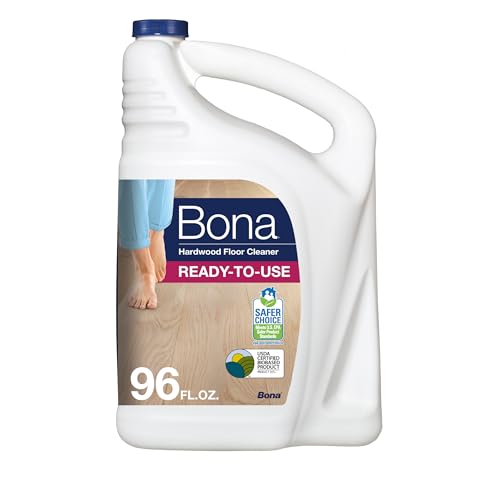
- Bona Hardwood Floor Cleaner (ready to use, pH neutral, no residue)
- Method Squirt + Mop Wood Floor Cleaner (plant-based, almond scent, safe for all sealed wood)
- Plain water with a few drops of dish soap (one teaspoon per gallon maximum)
- Manufacturer-recommended cleaner specific to your floor’s finish brand
Solutions to avoid:
- Vinegar or vinegar-based cleaners (acidic, dulls polyurethane over time)
- Murphy Oil Soap (leaves waxy buildup that attracts dirt)
- All-purpose cleaners like Pine-Sol, Fabuloso, or Mr. Clean (too harsh, leave residue)
- Bleach or ammonia-based products (damage finish and discolor wood)
- Wax-based products on polyurethane-finished floors (creates a hazy, slippery layer)
The golden rule: less is more. A light mist of a gentle, pH-neutral cleaner is all your hardwood needs. Concentrated solutions or excessive product will leave a residue that dulls the finish and requires stripping to remove.
What Damages Hardwood Floors
After decades of refinishing damaged hardwood, here are the most common cleaning mistakes I see:
Excessive water. This is the number one enemy of hardwood floors. Water seeps into seams, penetrates under the finish, and causes swelling, cupping, and eventual rot. String mops, bucket mopping, and even overly wet microfiber pads introduce too much moisture. If you can see a puddle or trail of water after mopping, it is too much.
Steam cleaning. As discussed above, steam forces superheated moisture into the wood and damages finishes over time. The convenience of steam cleaning is not worth the long-term cost of premature refinishing.
Abrasive pads or brushes. Scrubbing hardwood with rough pads, steel wool, or stiff brushes scratches through the finish layer. Even some cheaper microfiber pads can be abrasive. Stick with soft, high-quality microfiber.
Wrong cleaning products. Acidic solutions (vinegar), alkaline solutions (ammonia), and oil-based soaps (Murphy’s) all damage hardwood finishes in different ways. Vinegar etches polyurethane, ammonia clouds it, and oil soap builds up a sticky film.
Skipping the dust step. Mopping over grit and sand is like dragging sandpaper across your finish. The grit particles get trapped under the mop pad and create micro-scratches that accumulate into visible dullness over months and years.
Letting spills sit. Water, pet urine, and liquid spills that sit on hardwood for extended periods penetrate the finish and stain or damage the wood underneath. Clean up any liquid immediately with a dry cloth.
Frequently Asked Questions
How often should I mop hardwood floors?
Dry dust mopping should happen two to three times per week in active households or daily if you have pets. Damp mopping with a cleaning solution should happen once a week to once every two weeks depending on traffic. Over-mopping is not necessary and introduces unnecessary moisture. In low-traffic areas like guest bedrooms, monthly damp mopping is sufficient.
Can I use a Swiffer WetJet on hardwood floors?
The Swiffer WetJet is generally safe for sealed hardwood, but I prefer the Bona spray mop for two reasons. First, the Swiffer solution contains surfactants that can leave a slight residue over time. Second, the disposable pads are less absorbent than quality microfiber. If you already own a WetJet and your floors are in good condition, it will not cause immediate damage, but long-term you may notice some finish dulling.
Is it safe to vacuum hardwood floors?
Yes, with the right vacuum. Use a hard floor setting with the beater bar or rotating brush turned off. A beater bar can scratch and dent hardwood finishes. Many modern vacuums have a dedicated hard floor mode. Canister vacuums with felt-strip floor tools are particularly gentle and effective. Stick vacuums like the Dyson V15 with a soft roller head are also excellent choices.
What should I do if water gets under my hardwood floor?
Act immediately. Dry the surface with towels, then set up fans and a dehumidifier to draw moisture from the air and subfloor. If the water exposure was significant (flooding, burst pipe), contact a flooring professional who can use moisture meters to assess the damage and determine if boards need to be replaced. Minor water exposure that is addressed within hours usually causes no permanent damage to properly sealed floors.
Do microfiber mop pads need special washing?
Wash microfiber pads in warm water without fabric softener or dryer sheets. Fabric softener coats the fibers and dramatically reduces their absorbency and dirt-trapping ability. Dry on low heat or air dry. Avoid washing microfiber with cotton towels or lint-producing fabrics. Replace pads when they become visibly worn, matted, or no longer absorb effectively, typically after 100 to 200 washes.
Prefer to explore on your own?
See how new flooring looks in your actual room in seconds — free, no signup.
Try the free Floor Studio →

