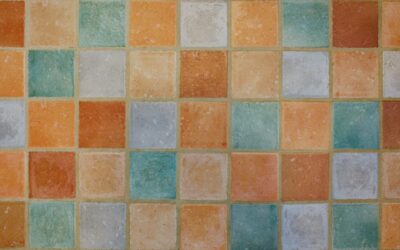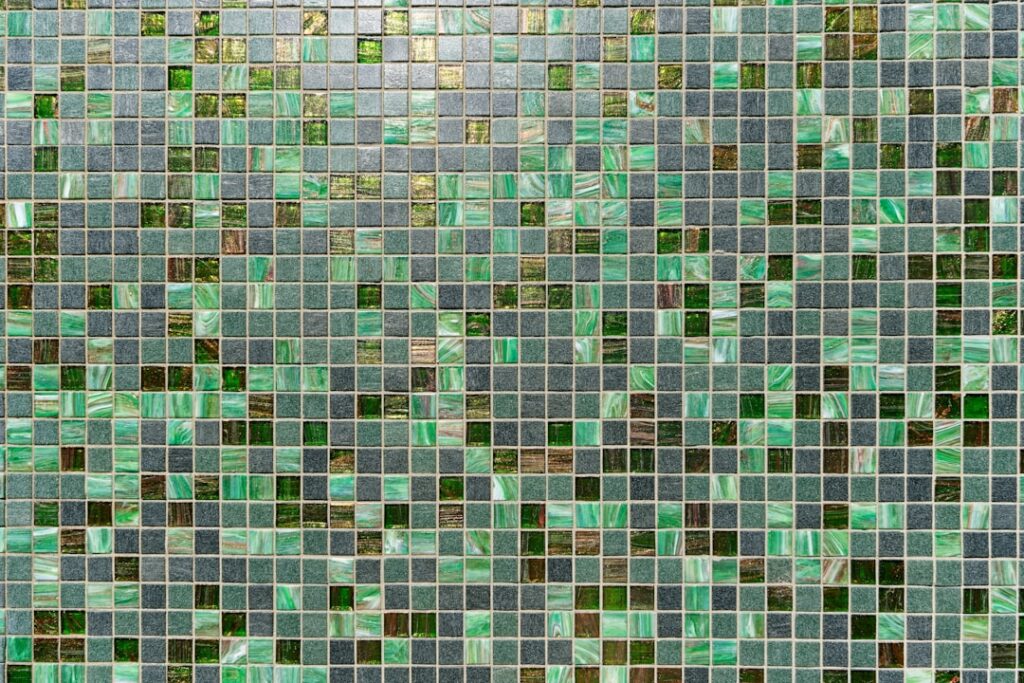
Mosaic tile chantilly refers to mosaic tile in a Chantilly color or collection, a name that evokes soft, creamy whites and gentle neutral tones, much like the delicate lace the name comes from. Whether you are dressing up a shower floor, a kitchen backsplash, or an accent wall, mosaic tile in this elegant palette adds light, texture, and a refined sense of detail that larger tiles simply cannot deliver.
Part of our Tile & Grout guide — explore the full guide →
This guide describes the Chantilly mosaic look in general terms, the materials and shapes you will find, where these tiles shine, and how to install and care for them, so you can plan a project with confidence.
What “Chantilly” Means for Mosaic Tile
In tile, Chantilly is typically used as a color or collection name rather than a single fixed product, generally pointing to soft, light, creamy and neutral tones, often warm whites, pale grays, or beige with subtle variation. The name suggests elegance and delicacy, and tiles marketed this way tend to feel airy and timeless. Because different manufacturers may use the name for different products, treat it as a descriptor of a light, sophisticated mosaic palette rather than a guarantee of exact dimensions or finish; always confirm the specifics with the actual product you are considering.
Why Mosaic Tile Is Special
Mosaic tile is made of many small pieces, usually mounted on mesh-backed sheets for easier installation. That small scale is its superpower. It conforms to curves and slopes, which is why mosaics are the go-to for shower floors, where the tiny tiles and abundant grout lines provide both drainage shaping and slip resistance. The dense grid of grout lines also adds traction and intricate visual texture, turning a plain surface into a detailed feature. In a soft Chantilly tone, that detail reads as understated luxury rather than busy.
Common Materials and Shapes
- Marble and natural stone: Honed or polished stone mosaics offer genuine veining and luxury, though they need sealing.
- Porcelain and ceramic: Durable, water resistant, and low maintenance, available in stone-look and solid Chantilly tones.
- Glass: Reflective and luminous, glass mosaics add subtle shimmer and brightness to walls and backsplashes.
- Shapes: Popular formats include classic squares, elongated subway mini-bricks, hexagons, penny rounds, herringbone, and arabesque or lantern shapes for a more decorative look.
Where to Use Chantilly Mosaic Tile
The soft, neutral palette makes these mosaics extremely versatile. Use them on shower floors and walls, where the small format and grout lines aid drainage and grip. They make a beautiful kitchen or bathroom backsplash, catching light and adding texture behind a sink or range. As an accent strip or feature wall, a band of Chantilly mosaic dresses up an otherwise plain field of larger tile. They also work on niche shelves, fireplace surrounds, and powder-room floors. Because the tones are light and neutral, they pair easily with almost any cabinetry, counter, or paint color.
Design Tips
Light mosaics like these reflect and amplify natural light, making small bathrooms and backsplashes feel larger and brighter. To keep the look elegant, choose a grout color thoughtfully: a closely matched cream or white grout lets the mosaic read as a soft, continuous texture, while a slightly contrasting gray grout defines each piece and emphasizes the pattern. Pair Chantilly mosaics with warm metals like brushed brass for a classic feel, or matte black for contemporary contrast. Using the same mosaic as both a shower-floor and an accent strip ties a bathroom together cohesively.
Installation Considerations
Mesh-backed mosaic sheets make installation more approachable than setting hundreds of loose tiles, but the work still demands care.
- Prepare a clean, flat, properly waterproofed substrate, especially in showers.
- Use a white or light thin-set under light and glass mosaics so the adhesive color does not show through.
- Press sheets in firmly and evenly, aligning the gaps between sheets to match the spacing within each sheet for a seamless grid.
- Use a grout suited to the joint size, and for natural stone mosaics seal the tile before grouting so grout does not stain it.
- Wipe glass and polished surfaces promptly to avoid haze, and seal stone again after grouting.
The many grout lines mean grouting takes longer than with large tile, so budget extra time. For shower floors and natural stone, an experienced installer is a wise investment.
What It Costs
As a general estimate, mosaic tile runs roughly $8 to $30 per square foot for material, with glass and natural stone mosaics typically at the higher end and porcelain or ceramic more affordable. Professional installation often costs more per square foot than for large tile, frequently around $10 to $25, because the small pieces and extensive grouting take more labor. These are ballpark figures that vary by product and region, so confirm pricing on the specific Chantilly mosaic you choose and get local installation quotes.
Cleaning and Care
Routine care keeps the soft tones looking crisp. Wipe walls and backsplashes with a mild, pH-neutral cleaner, and avoid harsh acids on natural stone, which can etch it. The grout, with its many lines, is the part most prone to staining and mildew, so clean it regularly and consider a grout sealer, particularly in showers. If your mosaic is natural stone, reseal periodically per the product guidance. Glass and porcelain mosaics are especially easy to keep clean and resist staining well.
Estimating How Much You Need
Mosaic tile is usually sold by the sheet and by the square foot, which makes estimating straightforward. Measure the area you plan to cover in square feet, length times width for each section, then add them together. Because mosaics involve more cutting around edges and fixtures than large tile, add a slightly higher waste allowance, around 15 percent, so you have enough to finish cleanly and keep spares for repairs.
For a shower floor, account for the slope toward the drain, which uses a bit more material. When you order, try to get sheets from the same production batch so the soft Chantilly tones match exactly, since light colors can show subtle batch variation. Buying a spare sheet or two is cheap insurance; matching a discontinued mosaic years later is far harder than tucking away extras now. Confirm the actual coverage per sheet on the product you choose, since sheet sizes vary.
Final Thoughts
Mosaic tile in a Chantilly color brings soft, elegant, light-filled detail to showers, backsplashes, and accent walls, with the practical bonus of slip resistance and easy shaping around curves. Confirm the exact material, finish, and dimensions of the specific product you choose, plan for careful installation and grout sealing, and keep the grout clean. Do that, and these delicate mosaics will add timeless sophistication to your space for years to come.
Prefer to explore on your own?
See how new flooring looks in your actual room in seconds — free, no signup.
Try the free Floor Studio →