Spreading three inches of bark mulch will block most weed seeds — for about six weeks. After that, airborne seeds land on top, hit moisture, and germinate in your tidy beds anyway. Combining mulch with weed killer, either as a pre-treated bagged product or as a separate pre-emergent layered correctly, can cut weeding time by 80 percent across a growing season. The trick is choosing chemistry that suppresses germination without harming the perennials you actually want.
What Pre-Treated Mulches Actually Contain
Most “weed-blocking” colored mulches at big-box stores contain trifluralin or pendimethalin at low concentrations, typically 0.05 to 0.15 percent by weight. These are pre-emergent herbicides that prevent seed germination but do not kill established weeds. Brands like Preen Mulch Plus deliver about three months of suppression per application at $7 to $11 per 2-cubic-foot bag.
Pre-treated mulches are not selective. They will block your reseeding annuals (cosmos, sunflowers, poppies) the same way they block crabgrass. If you direct-sow flower or vegetable seeds, do not use pre-treated mulch in those beds.
The Layered Method: Mulch on Top of Pre-Emergent
Professional landscapers rarely buy pre-treated mulch. They apply a granular pre-emergent like Preen Garden Weed Preventer (active ingredient: trifluralin) or Snapshot 2.5 TG (trifluralin + isoxaben) directly to bare, weed-free soil at 1 to 2 ounces per 100 square feet. They water it in, then top with 2 to 3 inches of natural double-shredded hardwood mulch.
This layered approach gives 4 to 6 months of weed suppression at roughly half the per-square-foot cost of pre-treated bagged mulch. A 31-pound bottle of Preen at $40 covers about 5,000 square feet — far more economical than buying premium colored mulch by the bag.
Timing the Application
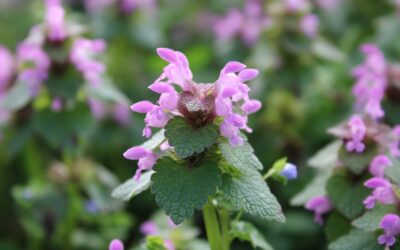
Pre-emergents work by creating a barrier in the top half-inch of soil. They have to be down before seeds germinate. In most US zones, that means two windows: late February through early April for spring annual weeds (crabgrass, foxtail, common chickweed) and late August through mid-September for winter annuals like henbit and poa annua.
Soil temperature is the trigger. When soil hits a sustained 55°F at 4 inches deep, crabgrass starts germinating. Forsythia bloom is the classic visual signal — when the yellow flowers open, you have already missed the optimal window by about a week. Apply earlier.
Mulch Type Matters
Hardwood double-shredded mulch knits together and resists wind better than pine bark nuggets. It also breaks down into the soil over 12 to 18 months, feeding beneficial microbes. Pine bark mini-nuggets last 2 to 3 years but float and wash out in heavy rain. Cypress mulch is rot-resistant but ecologically dubious — much of the supply comes from clear-cut wetlands.
Avoid dyed black or red mulch around vegetable gardens. The dyes themselves are non-toxic, but the wood feedstock often comes from recycled construction lumber that may contain CCA-treated arsenic-laced wood. Use natural-color or undyed double-shredded for edibles every time.
Safety Around Pets, Kids, and Edibles
Pre-emergents in the trifluralin family are practically non-toxic to mammals at label rates — LD50 above 5,000 mg/kg in rats. Keep pets and kids off the bed for 24 hours after watering in, and the residual risk is minimal. Read the label carefully on each product; some isoxaben-containing products require longer re-entry intervals.
Cocoa bean mulch smells fantastic but is genuinely toxic to dogs through the same theobromine that makes chocolate dangerous. Skip it if you have a Lab who eats first and asks questions later. Stone or rubber mulch carries no chemical risk but blocks 100 percent of seed germination — and 100 percent of soil oxygen exchange, which kills perennials in three or four years.
What Pre-Emergents Do Not Do
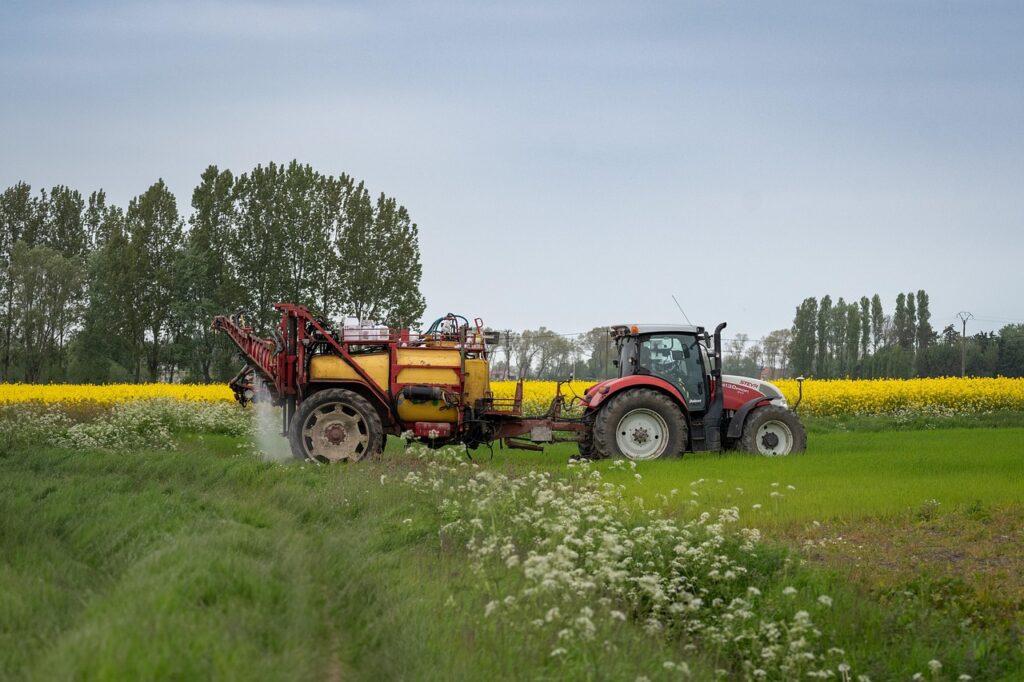
If you already have established weeds, pre-emergent will not touch them. Pull, hoe, or spot-spray with a post-emergent (glyphosate or a vinegar-based product) two weeks before laying mulch. Then apply your pre-emergent and mulch on a clean bed. Skipping this step is the most common reason mulch with weed killer “doesn’t work.”
Perennials that spread by rhizome — bermudagrass, Canadian thistle, bindweed — laugh at pre-emergents because they sprout from existing root mass, not seeds. Those require a systemic herbicide, repeated applications, or honestly, manual removal across 2 to 3 seasons.
Cost Breakdown for a Typical Bed
A 200-square-foot front foundation bed needs about 2 cubic yards of mulch (roughly $80 delivered locally) plus 4 ounces of granular pre-emergent ($3.20 worth from a $40 jug). Total: $83.20 for 4 to 6 months of low-maintenance beds. Compared to $140 in pre-treated bagged mulch covering the same area for 3 months, the layered method wins on price and longevity.
Reapply pre-emergent every 90 to 120 days during the growing season. The mulch itself usually only needs a 1-inch top-dress in the second year, not a full re-application.
Pro Tips That Save Hours
Edge beds with a sharp spade or steel landscape edging before mulching. A clean, defined edge keeps grass from creeping in laterally and dramatically reduces the perimeter weeding battle. Spend $80 to $150 on edging once and you save the cost back in 3 to 4 weeks of skipped trimmer time annually.
Do not pile mulch against tree trunks. Volcano mulching — that conical mound around the base — traps moisture against bark, invites borers, and rots the cambium. Keep mulch 3 to 4 inches away from trunks and a flat 2 to 3 inches deep across the bed.
Your Action Plan
Walk the beds, pull or spot-treat existing weeds, wait 10 to 14 days, edge the perimeter, broadcast a granular pre-emergent at label rate, water it in with about a half-inch of irrigation, and top with 2 to 3 inches of natural hardwood mulch. Layered correctly, this combination of mulch with weed killer holds the line through summer and gives you back the weekends you used to spend pulling crabgrass.