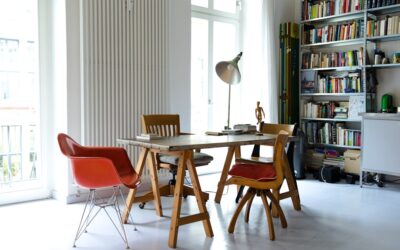
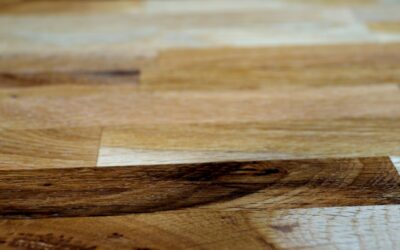
Few floors make a first impression like hickory left in its natural state. Natural hickory hardwood flooring celebrates the wood’s wild swings from pale blond sapwood to deep caramel heartwood, all under a clear finish that lets the character speak for itself. Add the fact that hickory is the hardest common domestic species, and you get a floor that is as tough as it is striking. It is not for everyone; the contrast is bold and busy. But for homeowners chasing a warm, rustic, high-durability look, natural hickory is hard to top.
- What “Natural” Means for Hickory
- Why Hickory Is So Durable
- The Advantages of Natural Hickory
- The Drawbacks to Consider
- Prefinished vs. Site-Finished Natural Hickory
- Solid vs. Engineered
- What Natural Hickory Costs
- Buying and Care Tips
- Designing Around Natural Hickory
- How Natural Hickory Compares
- Is Natural Hickory Right for You
What “Natural” Means for Hickory
Natural refers to the finish, not a species. It means the wood wears only a clear coat, with no stain added to mute or unify the color. Because hickory naturally contains such a wide tonal range, a natural finish produces maximum contrast, with light and dark boards, knots, and mineral streaks all on full display.
Compare that to a stained hickory floor, where a dark walnut or gray tone tames the variation into something more uniform. If you want the busiest, most organic look, natural is the way; if the contrast feels chaotic to you, a stain is the fix. There is no durability difference between the two, only appearance.
Why Hickory Is So Durable
Hickory carries a Janka hardness rating of roughly 1,820, placing it among the hardest domestic woods and well above the American favorites. For perspective:
- Hickory: about 1,820
- Hard maple: about 1,450
- White oak: about 1,360
- Red oak: about 1,290
- American walnut: about 1,010
That density means natural hickory resists dents from dropped pans, dog nails, and dragged toys better than nearly anything else you can buy without going to exotic imports. A clear factory or site finish only adds to the toughness, making this a genuinely family-and-pet-friendly floor.
The Advantages of Natural Hickory
The standout benefit is the look. Natural hickory brings warmth and movement that a uniform floor simply cannot, giving a room instant character that reads as rustic, farmhouse, or lodge depending on your decor. The busy grain doubles as camouflage; scratches, crumbs, and pet hair all disappear into the pattern far better than they would on a clean, monochrome floor.
Durability is the second major win, and value the third. Because hickory grows abundantly across the eastern United States, natural hickory often costs less than premium white oak while outperforming it on hardness. For a busy household that wants real wood that hides wear, natural hickory hardwood flooring delivers a rare combination of toughness, forgiveness, and personality.
The Drawbacks to Consider
The same contrast that draws people in pushes others away. In a small room or a minimalist, modern space, natural hickory’s busy variation can feel overwhelming and make the room read smaller. It also fights hard with strongly patterned rugs, tile, and cabinetry, so it demands a calmer palette elsewhere.
Hardness cuts both ways during installation. Hickory dulls saw blades quickly, resists nailing, and can splinter at board ends without pre-drilling, which makes it a challenging DIY project and can raise labor costs. Like all wood, it also moves with humidity, and its density means seasonal gapping shows up if indoor humidity is not controlled. Keep your home between 35 and 55 percent relative humidity year-round to keep the floor tight.
Prefinished vs. Site-Finished Natural Hickory
You can buy natural hickory two ways, and each suits a different buyer.
- Prefinished natural hickory: factory clear coat with tough aluminum oxide, walkable the day it installs, micro-beveled edges, 25 to 50 year finish warranties.
- Site-finished natural hickory: raw boards sanded and clear-coated in your home, seamless bevel-free surface, but three to five days of dust and cure time.
Most homeowners choose prefinished for the speed, durability, and lack of mess. Site finishing wins when you want a perfectly flat, monolithic surface or need to blend into existing hardwood in a remodel.
Solid vs. Engineered
Natural hickory comes in both constructions. Solid 3/4-inch planks can be sanded and refinished multiple times over decades and suit above-grade, climate-controlled rooms. Engineered natural hickory, with a real hickory veneer over a stable core, handles concrete slabs, basements, and radiant heat where solid wood would cup or gap. If you have a slab or below-grade space, go engineered; for a stable main floor you want to keep for life, solid is the durable classic.
What Natural Hickory Costs
Material pricing before installation:
- Prefinished solid natural hickory: $4 to $7 per sq ft
- Engineered natural hickory: $4 to $8 per sq ft
- Wide plank natural hickory: $7 to $11 per sq ft
- Character or rustic grade: $3 to $6 per sq ft
Professional installation adds $3 to $6 per sq ft, more if the crew charges extra for hickory’s difficulty. A 350-square-foot room typically runs $2,450 to $6,000 installed. Order about 10 percent extra material to cover cutting waste and keep a spare box for future repairs.
Buying and Care Tips
A few practices keep a natural hickory floor looking its best for decades:
- Sample it large; hickory’s contrast looks very different across a 20-square-foot area than on a single board.
- Acclimate the flooring in the room for 3 to 5 days before installation.
- Choose a matte or satin sheen to hide fine scratches; high gloss shows every scuff.
- Use felt pads under furniture, walk-off mats at doors, and a wood-safe cleaner, never a steam mop.
- Keep indoor humidity in the 35 to 55 percent range with a humidifier in dry winter months.
Designing Around Natural Hickory
Because the floor already carries so much visual energy, the rest of the room should stay calm. Solid or subtly textured rugs, painted or simple shaker cabinetry, and quieter wall colors let the hickory be the star instead of competing with it. Warm whites, soft greiges, and muted greens all pair beautifully with the wood’s caramel and blond tones.
Lighting changes the read, too. Natural hickory looks richest under warm-toned bulbs in the 2700K to 3000K range, which amplify its amber heartwood, while cooler light can make the contrast feel starker. In an open floor plan, running the planks toward the main light source or the longest sightline keeps the busy grain from feeling chaotic and helps the space feel larger despite the bold pattern.
How Natural Hickory Compares
Against natural oak, hickory delivers far more color contrast and noticeably greater hardness, making it the tougher, bolder choice, while oak stays calmer and more trend-neutral. Against stained hickory, the natural version keeps maximum character and warmth but gives up the uniformity a dark or gray stain provides. Against exotic species like Brazilian cherry, natural hickory offers similar durability at a lower domestic price with a lighter, more rustic look. If character and toughness top your list and you have the room to carry the contrast, natural hickory is a standout value.
Is Natural Hickory Right for You
Choose natural hickory if you want a warm, characterful, extremely durable floor and you have the room and decor to carry its bold contrast. Reconsider if you prefer clean uniformity or a small, modern space where the variation would feel busy. For the right home, though, natural hickory pairs the hardest common domestic wood with a look no uniform floor can match, giving you decades of forgiving, good-looking service underfoot. Sample it generously, keep your surrounding finishes calm, and control your indoor humidity, and you will have a warm, durable floor that hides the wear of everyday life while turning heads the moment guests walk in.
Prefer to explore on your own?
See how new flooring looks in your actual room in seconds — free, no signup.
Try the free Floor Studio →