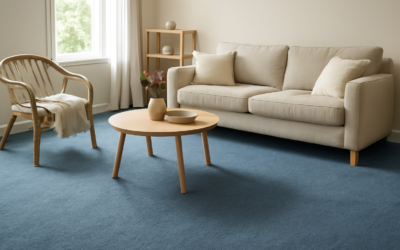
Walk into a well-designed bedroom or a finished basement and there is a good chance the floor grounding the whole space is a deep, saturated blue. Navy carpet has quietly become one of the most versatile flooring choices I recommend, because it hides dirt like a champ, feels rich underfoot, and pairs with far more wall colors than homeowners expect. I have installed it in nurseries, home theaters, and drafty basement rec rooms, and the feedback is consistently positive. This guide covers where navy works best, which fibers to choose, how to fight fading, what it costs, and how to keep it looking sharp.
Where Navy Carpet Works Best
Not every room is an equal match, so it helps to think about light and traffic before you commit.
- Bedrooms: This is navy’s home turf. The dark tone reads calm and cocooning, which is exactly what you want in a space built for sleep. It softens footsteps and adds warmth that hard flooring cannot.
- Basements: Deep blue masks the dust and occasional dampness stains that basements attract, and it pairs beautifully with the cozy den or theater vibe most people want down there.
- Stairs: A navy runner or full stair carpet hides scuffs and grounds a stairwell visually. Just be sure the pile is dense enough to wrap the nose of each tread cleanly.
The one caution is light. In a windowless room, pair navy with pale walls and good lighting so the space does not feel like a cave. In a bright, sunny room, navy adds welcome contrast and anchors lighter furniture.
Choosing the Right Fiber
Fiber is the single biggest driver of how a carpet performs and what it costs. Three options dominate the market.
Nylon
Nylon is the workhorse and my usual recommendation for stairs and any room that sees real traffic. It is the most resilient synthetic, springing back from crushing and holding its texture for years. Solution-dyed nylon in particular resists fading and bleaching, which matters a lot for a dark color. Expect to pay a premium, but it earns its keep.
Polyester (PET)
Polyester takes deep, rich colors exceptionally well, so navy PET carpet often looks especially lush and saturated. It is stain-resistant and budget-friendly, making it a strong pick for bedrooms and lower-traffic spaces. The trade-off is that it crushes more easily than nylon underfoot over time, so it is not my first choice for busy stairs.
Wool
Wool is the premium natural option. It feels wonderful, resists crushing, and holds dark dye with a depth synthetics struggle to match. It also naturally resists soil. The downsides are cost, which can be two to three times a synthetic, and a bit more care around moisture, which makes it a questionable choice for a damp basement.
Pile Styles and What They Mean for You
Pile is how the yarn is looped or cut, and it changes both look and durability.
- Cut pile (plush and Saxony): Yarns cut to stand upright for a smooth, luxurious surface. Beautiful in bedrooms, though it shows footprints and vacuum tracks more on solid navy.
- Textured cut pile (frieze): Twisted fibers that hide footprints and traffic patterns well. A smart choice if you want navy but hate seeing every mark.
- Loop pile (Berber): Uncut loops that are extremely durable and great for basements and stairs. Just avoid large loops if you have pets that snag.
- Cut-and-loop: A mix that creates subtle patterns, useful for adding visual interest to a large navy expanse.
Does Navy Carpet Hide Dirt? And What About Fading?
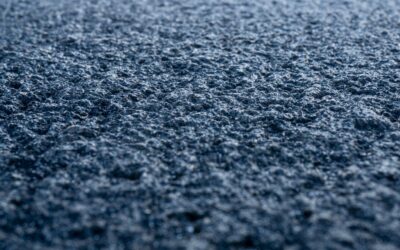
Here is a detail people get backward. Very dark solid colors hide colored debris well but can actually show light-colored dust, lint, and pet hair. Navy is a sweet spot because it is dark enough to mask dirt and mud yet not so black that every crumb glows. A textured or flecked navy hides the most, which is why I steer high-traffic homes toward frieze or a multi-tone loop.
Fading is the real concern with any dark carpet, especially near sun-drenched windows. Ultraviolet light slowly bleaches saturated dye, leaving a washed-out patch. Two defenses matter most: choose solution-dyed nylon or high-quality polyester where the color runs through the fiber, and control sun exposure with UV-filtering window film, blinds, or sheer curtains. Rotating area rugs and furniture occasionally also evens out any change.
Pairing Navy With Wall Colors and Decor
Navy is close to a neutral, which is why it plays so nicely with a wide palette. A few combinations I return to again and again:
- Crisp white or soft cream walls: The classic. High contrast keeps the room feeling fresh and open, and prevents a dark floor from closing in the space.
- Warm gray or greige: Sophisticated and calm, ideal for a primary bedroom.
- Blush, sage, or mustard accents: Navy is a fantastic backdrop for a pop of color in pillows, art, or a headboard.
- Natural wood tones: Oak or walnut furniture warms up the cool blue and keeps the room from feeling too formal.
For a basement theater, deep navy with charcoal accents creates that immersive, low-glare environment you want for screen time.
What Navy Carpet Costs
Carpet pricing tracks fiber and quality more than color. As a rough guide for material plus installation:
- Budget polyester: roughly $2 to $4 per square foot installed.
- Mid-grade nylon: roughly $4 to $7 per square foot installed.
- Premium nylon or wool: roughly $8 to $15 or more per square foot installed.
Do not forget the pad, which typically adds $0.50 to $1.50 per square foot and matters enormously for comfort and lifespan. For a 12-by-14-foot bedroom of about 168 square feet, a solid mid-grade nylon job usually lands somewhere between $700 and $1,200 installed, pad included. Get measurements and waste factored into written bids, since stairs and odd rooms create more offcut than a simple rectangle.
Cleaning and Long-Term Care
A dark carpet rewards a simple routine. Vacuum at least once or twice a week with a machine that has strong suction, since dust and lint show more on navy than most colors. Blot spills immediately with a clean white cloth, working from the outside in, and avoid rubbing, which frays fibers and spreads the stain.
For spot cleaning, test any product in a hidden corner first, because harsh cleaners can lighten dark dye. A mild dish-soap-and-water solution handles most fresh spills. Plan on a professional hot-water extraction every 12 to 18 months to pull out the grit that grinds down fibers. With decent fiber, controlled sunlight, and that steady care, a navy carpet holds its rich color and comfort for 10 to 15 years.
A couple of extra habits pay off with dark carpet specifically. Place walk-off mats at doorways into the room so tracked-in grit never reaches the navy pile in the first place, since abrasive soil is what dulls color faster than any spill. When you do spot-clean, blot with a slightly damp cloth afterward to rinse out cleaner residue, because leftover soap film actually attracts dirt and leaves a dull halo on a solid color. If you have pets, a rubber-edged squeegee or a rubber broom drags out embedded hair that a vacuum leaves behind, which keeps that light-colored fuzz from standing out against the blue.
Common Mistakes to Avoid
Two errors send homeowners back to the store within a year. The first is choosing a low-grade polyester for a staircase or hallway, then watching the pile mat down into a shiny traffic path within months. Match the fiber to the traffic: nylon or a tight loop for stairs and halls, softer polyester for the bedroom. The second is ignoring sunlight until a faded stripe appears in front of a window. Decide on your UV protection, whether that is film, blinds, or solution-dyed fiber, before the carpet goes down, not after the damage shows.
One more thing worth saying plainly: buy a little extra from the same dye lot and stash it in a closet. If a section ever gets damaged, matching navy from a new lot is nearly impossible because dye batches drift, and a slightly-off patch on a dark floor stands out immediately. A few spare square yards is cheap insurance for a floor you plan to keep more than a decade.