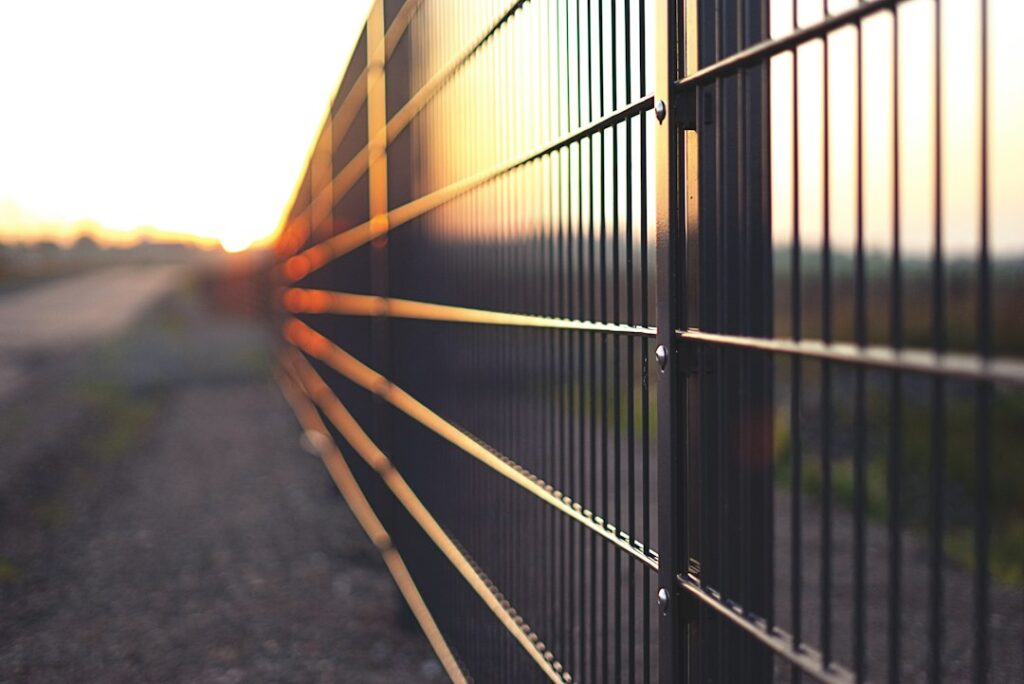
If road traffic, barking dogs, or a busy parking lot has turned your backyard into a place you avoid, a noise fence may be the most cost-effective fix you can install. A well-built noise fence works by blocking and absorbing sound waves before they reach your living space, and the right design can shave 6 to 12 decibels off the noise you hear outside.
Part of our Decks & Outdoor guide — explore the full guide →
That difference matters more than the number suggests. Because the decibel scale is logarithmic, a 10 dB drop sounds roughly half as loud to the human ear. This guide walks you through how sound barriers actually work, which materials perform best, how tall your fence needs to be, what you should expect to spend, and the installation details that separate a quiet yard from a wasted weekend.
How a Noise Fence Actually Works
Sound travels in waves, and a barrier interrupts those waves in two ways: by reflecting them and by absorbing them. To block sound effectively, a fence needs mass. Heavy, dense materials stop more sound energy than thin, hollow ones, which is why a flimsy hollow-vinyl panel does almost nothing while a solid masonry wall performs beautifully.
The second principle is the line of sight. Sound travels in a mostly straight path, so your fence must physically block your view of the noise source. If you can see the highway over the top of the fence, you can hear it nearly as well. That is why height and placement matter as much as the material you choose.
Gaps are the enemy. A fence with quarter-inch spaces between boards leaks sound the way a window screen leaks water. The most effective barriers are continuous, solid, and sealed tight to the ground, with no openings under the bottom rail.
Best Materials for a Noise Fence
Not every fence material is built for sound control. The performance of a barrier comes down to density measured in pounds per square foot, so the heavier options consistently win.
- Masonry (brick, concrete block, poured concrete): The gold standard. A solid block wall can deliver 15 to 20 dB of reduction. It is expensive, but nothing beats it for traffic noise.
- Mass-loaded vinyl (MLV) panels: Sheets of dense vinyl, often 1 lb per square foot, that you sandwich between wood or attach to an existing fence. They add serious mass without a full masonry budget.
- Tongue-and-groove wood: Cedar or pressure-treated pine boards fitted tightly with no gaps. Effective, attractive, and a popular DIY choice.
- Composite acoustic fencing: Manufactured panels designed specifically for sound, often rated for 25 to 28 dB reduction.
- Concrete-look fence systems: Precast or simulated-stone panels that combine mass with a finished appearance.
Avoid chain link, lattice, picket, and hollow PVC if quiet is your goal. They let sound pass straight through.
How Tall Should a Noise Fence Be?
Height drives results. As a working rule, a noise barrier should be tall enough to break your line of sight to the source from your most-used outdoor area, plus a little extra to account for sound that bends over the top.
For most residential settings, that means 6 to 8 feet. A 6-foot fence handles a quiet residential street and a neighbor’s yard. For a busy four-lane road or a commercial loading dock, push toward 8 feet, and consider building on a berm to gain effective height without exceeding local limits.
Before you finalize a design, check your municipal code. Many areas cap residential fences at 6 feet in the backyard and 4 feet in the front. Variances for sound walls are sometimes available, but you need approval first. A berm, a 2- to 3-foot earthen mound topped by a fence, is a clever way to add height while staying within rules.
What a Noise Fence Costs
Pricing varies widely by material, height, and whether you hire a contractor. Use these figures as planning estimates for a typical 100-linear-foot run.
- Tongue-and-groove wood: $25 to $45 per linear foot installed, or roughly $2,500 to $4,500 for 100 feet.
- Mass-loaded vinyl added to wood framing: $35 to $60 per linear foot, depending on the MLV grade.
- Composite acoustic panels: $40 to $70 per linear foot.
- Concrete block wall: $60 to $120 per linear foot, the priciest but most durable option.
DIY can cut labor, which often represents 40 to 50 percent of a quote. A wood or MLV-backed fence is within reach for a confident weekend builder, while masonry is best left to a mason because of footing and structural demands.
Installation Tips That Make or Break Performance
The single biggest mistake homeowners make is leaving gaps. Seal every joint. Run boards tongue-and-groove or overlap them, and fill the strip between the bottom of the fence and the soil with a gravel-filled trench, a concrete curb, or a buried bottom board.
Set your posts deep. For a 6-foot solid fence, posts should sit at least 2 feet into the ground in concrete; an 8-foot fence wants 3 feet of footing. Solid panels catch wind like a sail, so a barrier needs more structural support than an open picket fence ever would.
Combine mass with absorption for the best result. A reflective wood fence sends some sound back toward your neighbor; adding a layer of MLV or an absorptive face material on your side soaks up the energy instead of bouncing it. Some homeowners also plant a dense row of evergreens in front of the fence, which adds a few decibels and softens the look.
Plants vs. a Solid Barrier
You may have heard that hedges and trees block noise. The truth is more modest. A 30-foot-deep belt of dense vegetation can reduce sound by about 5 dB, but a thin row of shrubs does almost nothing acoustically. What plants do well is provide a psychological buffer and visual screen, plus they soften wind-borne sound.
The smart move is to treat greenery as a complement, not a replacement. Build the solid mass barrier first, then plant in front of it. You get measurable reduction from the fence and a more pleasant, natural appearance from the plants.
Maintenance and Longevity
A wood noise fence needs the same care as any wood fence: seal or stain it every 2 to 3 years, replace cracked boards promptly to prevent gaps, and clear debris from the base so moisture does not rot the bottom rail. Expect 15 to 20 years from quality cedar that is maintained.
Mass-loaded vinyl and composite panels need almost no upkeep beyond an occasional rinse, and they hold up well in sun and rain for 25 years or more. Masonry walls can last 50 years but should be inspected for cracks and tuckpointed as mortar ages. Whatever you build, walk the line once a year and reseal any gap that has opened, because a single quarter-inch crack will undo a surprising amount of your sound control.
Final Thoughts
A noise fence is one of the few home improvements that pays you back every single day in comfort. Focus on three things and you will get real results: choose a dense, gap-free material; build it tall enough to break your line of sight to the source; and seal the bottom tight to the ground. Do that, and a backyard you used to avoid becomes a place you actually want to spend time.