Bathroom floors get wet. Showers spray, tubs splash, sinks drip, and condensation forms on cool surfaces. This constant moisture turns smooth tile floors into dangerous skating rinks. Non slip bathroom floor tiles solve this problem with textured surfaces, specialized finishes, and strategic formats that maintain traction when wet while still looking attractive in your home’s most intimate space.
Part of our Bathroom Remodeling & Flooring guide — explore the full guide →
This guide helps you select non slip tile flooring that keeps your family safe without compromising your bathroom’s design aesthetic.
Why Non Slip Tiles Matter in Bathrooms
Bathroom falls are one of the leading causes of household injuries. The combination of wet, smooth surfaces and bare feet creates ideal conditions for slipping. Children, elderly family members, and anyone with mobility challenges face heightened risk. Non slip bathroom floor tiles dramatically reduce this danger by providing reliable traction even when the floor is soaking wet.
Building codes in many jurisdictions now require minimum slip resistance ratings for bathroom floors, especially in commercial and rental properties. Even where codes do not mandate it, choosing non slip tiles is a simple safety decision that protects everyone who uses your bathroom.
Understanding Slip Resistance Ratings
DCOF (Dynamic Coefficient of Friction)
The American standard for slip resistance, DCOF values of 0.42 or higher are recommended for wet bathroom floors. Tiles with DCOF values above 0.60 provide excellent traction for shower floors and wet rooms. Always check the DCOF rating on the product specification sheet before purchasing tiles for bathroom use.
R Rating (DIN Standard)
The European R rating system classifies tiles from R9 (minimal slip resistance) to R13 (maximum). For bathroom floors, choose R10 or higher. Shower floors and wet rooms should use R11 or R12 rated tiles. The R rating measures performance with footwear, so barefoot areas may need higher ratings than the minimum suggests.
ABC Rating (Barefoot Areas)
The DIN 51097 standard specifically tests slip resistance for barefoot use on wet surfaces. Class A provides minimal barefoot slip resistance (dry areas only). Class B suits bathroom floors, pool surrounds, and shower access areas. Class C provides maximum barefoot traction for shower floors, steam rooms, and pool ladders.
Best Non Slip Tile Options for Bathrooms
Matte Porcelain Tiles
Matte-finish porcelain tiles provide inherent slip resistance through their non-reflective, slightly textured surface. Unlike polished porcelain, which becomes extremely slippery when wet, matte porcelain maintains consistent traction in wet conditions. Matte tiles are available in every color, pattern, and size — including wood-look, stone-look, and concrete-look designs.
For bathroom floors, choose matte porcelain with a DCOF of 0.42 or higher. Many manufacturers produce bathroom-specific collections that have been tested and certified for wet-area slip resistance.
Textured Porcelain Tiles
Structured or textured porcelain tiles feature factory-applied surface textures that go beyond standard matte finishes. These textures include fine grits, raised patterns, brushed surfaces, and embossed designs that channel water away from the contact point between foot and tile.
Textured porcelain provides the highest slip resistance among porcelain options and works well for shower floors, wet room floors, and bathroom floors in homes with elderly or mobility-impaired residents.
Small-Format Mosaic Tiles
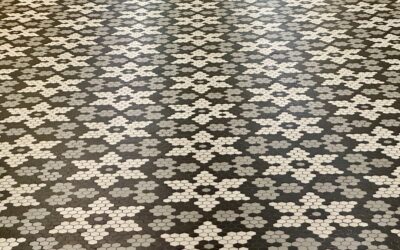
Small tiles — penny rounds, 1-inch hexagons, 2-inch squares — provide excellent slip resistance simply because of the extensive grout lines between them. Grout is naturally textured and rough, creating a grid of traction across the floor surface. The more grout lines per square foot, the more traction the floor provides.
Mosaic tiles are the standard choice for shower floors for this reason. They also conform to sloped surfaces more naturally than large tiles, allowing proper water drainage toward the drain without creating visible lippage between tiles.
Natural Stone Tiles
Natural stone in honed, brushed, or tumbled finishes provides excellent bathroom floor traction. Slate is naturally one of the most slip-resistant stones due to its layered, textured surface. Honed limestone, sandstone, and travertine also perform well in wet environments.
Avoid polished marble, granite, and travertine on bathroom floors. Polished stone becomes extremely slippery when wet and is one of the most dangerous bathroom flooring surfaces. If you want a marble look with safety, consider marble-look porcelain tile in a matte finish.
Unglazed Quarry Tiles
Unglazed quarry tiles provide outstanding grip in wet conditions. Their raw, uncoated surface has a natural roughness that channels water and creates friction. While their utilitarian appearance limits them to certain design styles, quarry tiles are among the safest flooring surfaces for consistently wet bathrooms.
Encaustic Cement Tiles
Cement tiles with their naturally matte, slightly textured surfaces provide good traction while offering bold patterns and colors. They require sealing to prevent staining but provide a unique, artisan look that works beautifully in bohemian, Mediterranean, and eclectic bathroom designs.
Non Slip Tiles by Bathroom Zone
Main Bathroom Floor
The general bathroom floor encounters splashes, drips, and wet footprints but is not continuously submerged. Matte porcelain or honed natural stone with DCOF of 0.42 or higher provides adequate safety. Medium-format tiles (6 to 12 inches) balance style, practicality, and slip resistance.
Shower Floor
Shower floors require the highest slip resistance because they are continuously wet during use. Use small-format mosaic tiles (2 inches or smaller) with DCOF above 0.60 or R11/R12 ratings. White, gray, or neutral mosaics remain the most popular shower floor choices, though bold colors and patterns can create stunning focal points.
Ensure the shower floor slopes properly toward the drain — a minimum of 1/4 inch per foot. Without proper slope, water pools on the surface regardless of tile texture, increasing slip risk.
Wet Room Floor
Open wet rooms without shower enclosures must have non slip tile across the entire floor since the whole room gets wet during showering. Use textured porcelain or mosaic tile with high slip resistance ratings throughout. The entire floor should slope gently toward the drain.
Tub Surround Floor
The area immediately outside the bathtub receives the most water exposure as people step out of the tub onto wet feet. If this area uses the same tile as the rest of the bathroom, consider adding a non slip bath mat for extra protection. Alternatively, install higher-traction tile in this zone than the rest of the bathroom.
Design Tips for Attractive Non Slip Bathrooms
Coordinate Textures
Use a consistent design language across different slip resistance zones. If the main bathroom floor uses matte stone-look porcelain, choose mosaic tiles in a complementary color and material for the shower floor. Visual continuity creates a cohesive design despite the change in tile format.
Embrace the Grout
Since grout contributes to slip resistance, lean into it as a design element rather than trying to minimize it. Contrasting grout on mosaic tile creates graphic patterns. Matching grout on larger tiles maintains a seamless look. Either approach works — just be intentional.
Consider Color Carefully
Very light and very dark tiles both show water spots, soap scum, and mineral deposits prominently. Medium tones and patterned tiles hide these between cleanings, reducing maintenance burden while maintaining an attractive appearance in this frequently wet environment.
Mix Tile Sizes
Using different tile sizes in different bathroom zones creates visual interest while optimizing slip resistance where it matters most. Large-format tiles on the main floor transition to small mosaics in the shower. This mixed-format approach is the most common professional design strategy for bathrooms.
Maintaining Non Slip Properties
Clean non slip bathroom tiles regularly to prevent soap scum, body oil, and mineral deposit buildup that smooths surface textures and reduces traction. Use a bathroom tile cleaner that dissolves soap scum without leaving slippery residue.
Avoid wax-based, oil-based, or polish-based cleaning products. These products coat the textured surface with a smooth film that defeats the entire purpose of non slip tile. Stick to pH-neutral tile cleaners or mild dish soap solutions.
Reseal natural stone tiles annually to maintain both stain resistance and surface texture. Use penetrating sealers that absorb into the stone rather than topical sealers that coat the surface and may reduce traction.
Seal cement grout every one to two years to prevent mold growth and discoloration. Well-maintained grout lines contribute to both floor traction and overall bathroom hygiene.
Non Slip Tile Alternatives
If tile is not your preference, other waterproof flooring options provide bathroom-safe traction. Vinyl flooring with textured surfaces offers slip resistance with added comfort and warmth. Rubber flooring provides excellent wet traction for accessible bathrooms and medical facilities. Epoxy flooring with anti-slip additives creates seamless, waterproof bathroom floors for commercial and residential wet rooms.
Final Thoughts
Non slip bathroom floor tiles protect your family from dangerous falls while maintaining the beautiful, clean aesthetic that makes a bathroom feel like a retreat. Choose matte or textured porcelain for the main floor, small mosaics for shower floors, and always verify slip resistance ratings before purchasing. Proper maintenance preserves the non slip properties over time. A safe bathroom floor is a basic requirement — with today’s tile options, it can also be a design highlight.
Prefer to explore on your own?
See how new flooring looks in your actual room in seconds — free, no signup.
Try the free Floor Studio →