Slippery floors send people to the emergency room every day, and if you’ve got kids, aging parents, or a busy kitchen, traction matters as much as looks. Non slip vinyl plank flooring is engineered to give you the wood-look style everyone wants while keeping your footing secure when the surface gets wet. After installing luxury vinyl in dozens of homes, I can tell you the difference between a slick plank and a properly textured one is real, measurable, and worth understanding before you buy.
- What Makes Vinyl Plank Non Slip
- The Pros of Non Slip Vinyl Plank
- The Cons to Weigh
- How Much Non Slip Vinyl Plank Costs
- Best Rooms and Textures for Traction
- Installation Tips for Maximum Grip
- Understanding Slip Ratings Before You Buy
- Common Mistakes That Kill Traction
- Keeping the Surface Safe Over Time
What Makes Vinyl Plank Non Slip
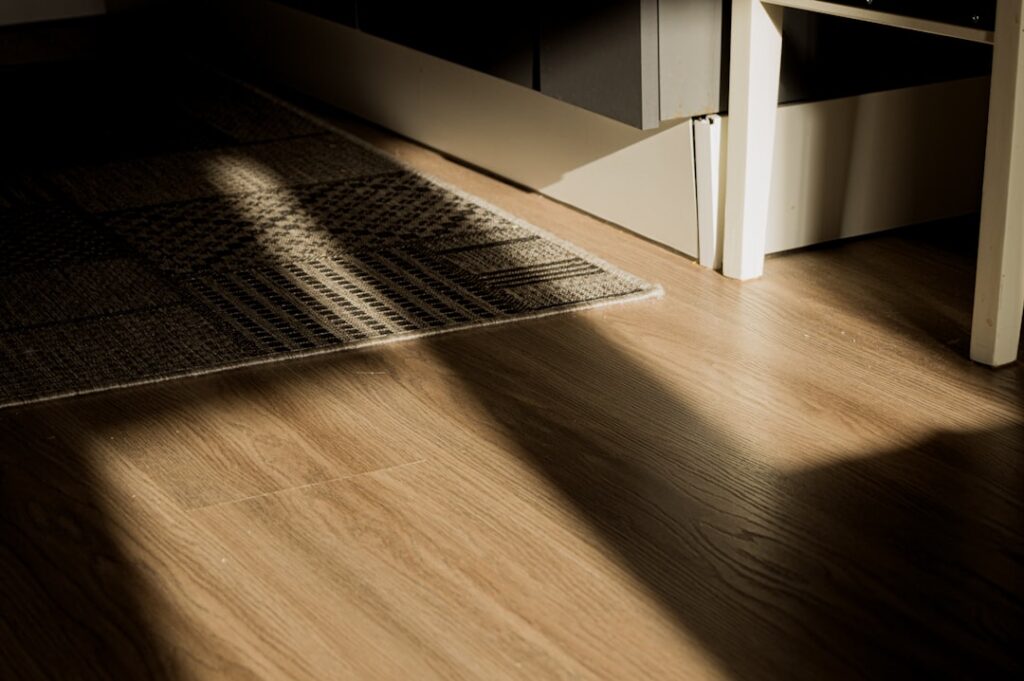
No vinyl plank is truly slip-proof, but manufacturers boost traction three ways. The most common is an embossed surface texture, often called embossed-in-register, where the top layer is pressed with grooves and grain that mimic real wood and give your foot something to grab. The second is a matte or low-gloss finish, because high-gloss planks reflect nicely but slide more when wet. The third is a specialized anti-slip coating baked into the wear layer, the kind you’ll find on commercial-grade planks rated for restaurants and healthcare.
The measurement that matters is the slip resistance rating, expressed as a coefficient of friction. Look for a dynamic coefficient of friction (DCOF) of 0.42 or higher, the ANSI benchmark for wet areas, or an R-rating between R10 and R12 on European-scale products. Any reputable manufacturer publishes these numbers on the spec sheet, and if a product doesn’t list one, treat that silence as a warning.
The Pros of Non Slip Vinyl Plank
Safety is the headline benefit, and it’s a big one for bathrooms, kitchens, entryways, and any home with young children or elderly residents. Beyond traction, these planks carry all the strengths that made luxury vinyl the best-selling floor in America. They’re 100 percent waterproof when you choose a rigid-core SPC or WPC product, so spills, mopping, and humidity don’t faze them, which is exactly why they belong in the wet rooms where slips happen most.
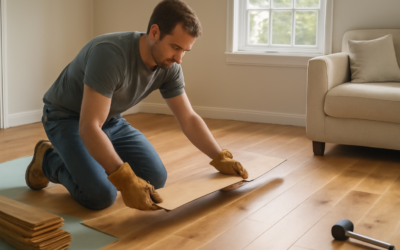
They’re also comfortable and quiet underfoot compared to tile, warmer in winter, and forgiving when you drop a glass. Installation is homeowner-friendly thanks to click-lock floating systems that need no glue, and the textured surface hides everyday scuffs and footprints far better than a glossy floor. You get the safety upgrade without sacrificing the wood-look aesthetic or the easy maintenance that drew you to vinyl in the first place.
The Cons to Weigh
Texture cuts both ways. The same embossing and grip that keep you upright also trap dirt in the grain, so non slip planks take a little more effort to clean, and a quick damp mop won’t always lift grime out of deep texture. You may need a soft brush in high-traffic zones now and then. Matte finishes, while safer, can also look slightly less rich than the glossy planks some buyers prefer.
Cost is another consideration. Planks engineered and tested for slip resistance, especially commercial-rated ones, run higher than bargain vinyl. And be skeptical of marketing: plenty of ordinary planks get labeled “slip resistant” without any published DCOF number to back the claim. Without a documented rating, you’re trusting a brochure, not a tested product.
How Much Non Slip Vinyl Plank Costs
Expect $2.50 to $5 per square foot for solid residential non slip LVP, and $4 to $8 for commercial-grade planks with certified high-traction wear layers and thicker 5 to 8 mm cores. Professional installation adds roughly $1.50 to $4 per square foot, though the click-lock floating format makes this one of the more DIY-friendly floors if you’re handy. A typical 200-square-foot kitchen lands around $800 to $2,400 installed.
Spend on the wear layer and the rating, not on flashy graphics. A 20-mil wear layer with a documented DCOF above 0.42 is a better long-term value than a thin 6-mil plank that looks identical in the showroom but scratches and slicks up within a couple of years. Order 7 to 10 percent extra for cutting waste and future repairs.
Best Rooms and Textures for Traction
Reserve your most aggressive-textured, highest-rated planks for the rooms where water meets feet: bathrooms, kitchens, laundry rooms, mudrooms, and basement stairs. A hand-scraped or wire-brushed surface texture delivers the most grip and, conveniently, the most convincing wood look. For bedrooms and living rooms where slips are rare, you can drop to a lighter texture and prioritize appearance without much safety trade-off.
If you’re flooring an entire home, it’s perfectly fine to mix: a grippier line in the wet zones and a smoother companion product elsewhere, as long as the plank thickness matches so the floors meet cleanly at the transitions. Match the wear-layer thickness across products and you’ll avoid awkward height differences at doorways.
Installation Tips for Maximum Grip
Traction starts with a flat subfloor. Any dip or hump under a floating floor creates flex, and flex under wet feet is exactly where slips originate, so level the substrate within about 3/16 inch over 10 feet before you lay a single plank. Let the material acclimate in the room for 48 hours so the planks don’t gap or peak after installation.
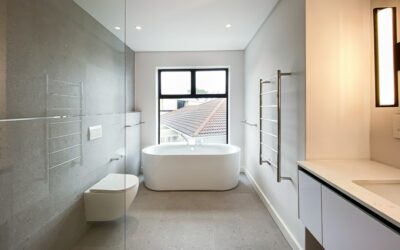
In bathrooms, run a silicone bead at the perimeter and around fixtures to keep water from creeping under the floating floor, since standing moisture beneath planks is where mold and lift-up trouble begin. Use the manufacturer’s recommended underlayment; some rigid-core planks include an attached pad, and doubling up on cushioning can actually reduce stability and increase the very movement you’re trying to eliminate.
Understanding Slip Ratings Before You Buy
Spend five minutes learning the two rating systems and you’ll shop far smarter than most buyers. The American standard is the dynamic coefficient of friction, or DCOF, tested wet under the ANSI A326.3 method; 0.42 is the pass line for level interior floors that get wet, and anything higher gives you more margin. The European R-rating uses a ramp test where a person walks an oiled incline, and the scale runs from R9 (least grip) to R13 (most). For a home bathroom, R10 to R11 hits the sweet spot without feeling like sandpaper.
Some manufacturers also list a barefoot rating using letters A, B, and C for wet areas like pool decks and shower zones, where C is the grippiest. You won’t need that indoors, but it’s worth recognizing on a spec sheet. The takeaway is simple: a plank that publishes a real number has been tested, and a plank that only says “slip resistant” in the marketing copy usually hasn’t. Trust the data, not the adjective.
Common Mistakes That Kill Traction
I’ve been called back to floors that suddenly turned slippery, and the cause is almost never the plank itself. It’s usually a product the homeowner added on top. Wax-based polishes, oil soaps, and those “restore-the-shine” liquids leave a slick film that fills in the very texture you paid for. Steam mops are another culprit; the heat can soften cheap wear layers and leave a residue that reduces grip.
The other frequent mistake is a throw rug without a rubberized backing. A loose rug on a smooth plank becomes a skateboard, and it undoes all the safety engineering underneath it. Use only rugs with a bonded non-slip backing or add a separate grip pad, and your textured floor keeps doing its job.
Keeping the Surface Safe Over Time
A non slip floor only stays non slip if you keep it clean, because a film of soap residue, cooking grease, or floor-polish buildup can turn a grippy plank slick. Damp-mop with a pH-neutral vinyl cleaner and skip the wax and “mop-and-shine” products, which leave a slippery coating that defeats the whole purpose. Wipe wet spots promptly rather than letting them sit.
Place absorbent mats at entryways and in front of sinks to catch water before it reaches the open floor, and check that any rug you add has a non-slip backing so the rug itself doesn’t become the hazard. Handle those basics and non slip vinyl plank flooring gives you years of safe, waterproof, good-looking service, which is why it’s my default recommendation for any household worried about footing.
Prefer to explore on your own?
See how new flooring looks in your actual room in seconds — free, no signup.
Try the free Floor Studio →