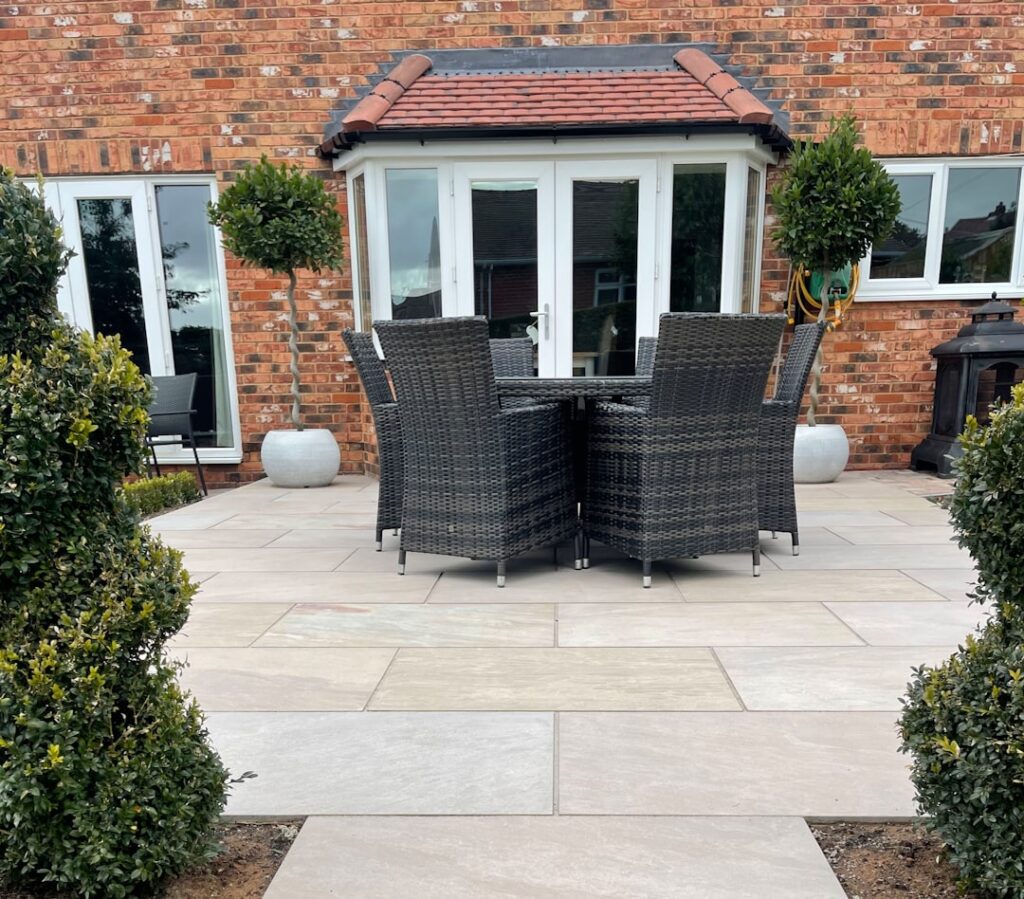
A single string of bulbs is fine, but lanterns are what give an outdoor space that warm, layered, lived-in glow. They cast soft pools of light, add architectural shape during the day, and instantly make a patio feel like a destination after dark. These outdoor lantern decor ideas cover everything from grouping candle lanterns on a dining table to hanging oversized fixtures over a seating area, with practical placement and lighting advice so your space looks designed rather than cluttered.
- Why Lanterns Beat Plain String Lights
- Grouping Lanterns for Impact
- Hanging Lanterns Over Seating and Dining
- Pathway and Ground-Level Lanterns
- Choosing Materials That Survive the Weather
- Styling by Season and Theme
- Lighting Temperature and Bulb Choice
- Sizing Lanterns to the Space
- Safety and Placement Cautions
Why Lanterns Beat Plain String Lights
String lights flatten a space with one even wash of light. Lanterns create layers: a tall floor lantern, a cluster on the table, and a few hung at varying heights build the depth that makes a backyard feel intimate. The flickering of a candle or a warm LED inside a frame reads cozy in a way overhead lighting never does.
Lanterns also work during the day. A matte-black metal lantern or a woven rattan one is a sculptural object that fills empty corners and styles a console or step even when it’s unlit.
Grouping Lanterns for Impact
One lantern looks lonely; a thoughtful grouping looks intentional. The designer trick is odd numbers and varied heights, three lanterns of different sizes clustered together read far better than a matched pair.
- Cluster three candle lanterns of staggered heights on a patio table as a centerpiece
- Line a set of matching lanterns along a porch step or ledge for rhythm
- Flank a front door with two tall floor lanterns for a welcoming entry
- Mix one oversized lantern with smaller companions in a corner to fill vertical space
Hanging Lanterns Over Seating and Dining
Suspended lanterns draw the eye up and define a zone. Hang a cluster of Moroccan-style metal lanterns at staggered heights over a dining table, with the lowest around 60 to 66 inches above the surface so it lights faces without blocking conversation.
Over a lounge area, hang lanterns from a pergola beam or a sturdy tree branch using weatherproof hooks. Battery or solar LED candles inside let you place them anywhere without wiring. Vary the drop lengths so the grouping feels organic, not like a row of pendants.
Pathway and Ground-Level Lanterns
Low lanterns guide movement and add safety. Line a garden path or driveway with solar lantern stakes spaced about 4 to 6 feet apart for an even, gentle glow that switches on automatically at dusk. They need no wiring and cost as little as $5 to $15 each.
Larger floor lanterns, the kind 24 to 36 inches tall, anchor the corners of a patio or frame an outdoor sofa. Set them on either side of steps or a fire pit to define the space. Heavier metal or stone-look resin lanterns won’t tip in wind, which matters in exposed yards.
Choosing Materials That Survive the Weather
Outdoor lanterns take a beating from sun and rain, so material choice determines lifespan. Powder-coated metal and galvanized steel resist rust; look for these in coastal or rainy climates. Teak and all-weather rattan add warmth but need occasional sealing.
For the light source, flameless LED candles with timers are the practical default, no fire risk, no melting, and they run for weeks on batteries. Real candles and citronella add ambiance and bug control but require supervision. Solar-powered lanterns charge by day and glow free all evening, ideal for spots far from an outlet.
Styling by Season and Theme
Lanterns are easy to restyle as the seasons turn. Fill clear glass lanterns with pinecones and fairy lights in fall, faux greenery and ornaments in winter, or seashells and sand for a coastal summer look. Swapping the interior costs nothing and refreshes the whole space.
For a cohesive scheme, repeat one finish, say matte black or warm brass, across most pieces, then add one or two contrasting textures like woven rattan for interest. With these outdoor lantern decor ideas, you can build a layered, glowing outdoor room that feels welcoming every night of the year, all without rewiring a thing.
Lighting Temperature and Bulb Choice
The bulb inside makes or breaks the mood. For outdoor ambiance you want warm light, in the 2200K to 2700K range, which mimics candlelight and flatters skin and surroundings. Cool white light above 4000K reads harsh and clinical, the opposite of cozy, so reserve it for security fixtures, not decorative lanterns.
Flameless LED candles with a flickering, amber glow give the most realistic candle effect, and many now include built-in timers that turn on at dusk for several hours. For solar lanterns, check the listed color temperature before buying, since cheap units often ship with bluish bulbs that undercut the whole atmosphere you’re trying to create.
Sizing Lanterns to the Space
Scale is the detail amateurs miss. A tiny 8-inch lantern lost on a large patio looks like an afterthought, while an oversized floor lantern crowds a small balcony. As a rule, floor lanterns flanking a door or seating area should stand 24 to 36 inches tall, tabletop clusters work best in the 8-to-16-inch range, and hanging lanterns should match the scale of whatever they hang over.
For groupings, vary sizes within the right range rather than using all-identical pieces, the staggered heights create the layered, collected look designers favor. When buying online, always check the dimensions rather than trusting the photo, since styled product shots routinely make lanterns look larger than they are.
Safety and Placement Cautions
Open-flame candles and dry conditions don’t mix. Keep real-flame lanterns well away from cushions, curtains, dry foliage, and anything overhanging, and never leave them lit unattended. In fire-prone regions or during burn bans, skip real flames entirely in favor of LED, which delivers the same glow with zero risk.
For hanging lanterns, use rated outdoor hooks and confirm the branch or beam can bear the weight, especially heavier metal pieces in wind. Secure tall floor lanterns so a gust can’t topple them onto glass or people. Weatherproof your electrical connections if you use plug-in lanterns, and route cords where no one will trip. A little caution keeps your glowing outdoor room safe as well as beautiful.