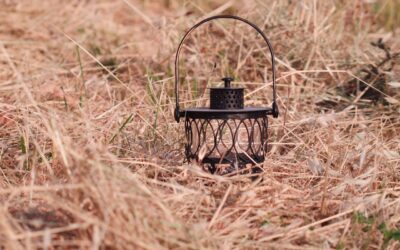
Nothing sharpens curb appeal faster than a pair of well-chosen outdoor lighting lanterns flanking a front door. Yet most homeowners buy them too small, hang them too high, and end up with fixtures that look like postage stamps on a two-story facade. The truth about outdoor lighting lanterns is that scale, mounting height, and bulb color temperature matter far more than the price tag on the box. Get those three right and a $90 fixture can look like a $400 one. This guide covers the lantern styles worth knowing, how to size them to your entry, wiring basics, and the finishes that survive real weather.
Part of our Windows & Doors guide — explore the full guide →
- The Main Lantern Styles and Where They Belong
- Sizing: The Rule That Prevents Regret
- Bulbs, Brightness, and Color Temperature
- Finishes That Survive the Weather
- Wiring and Installation Basics
- Solar and Smart Options
- Putting It All Together
- Matching Lanterns to Your Home's Architecture
- Layering Lanterns Across the Property
- Security, Dark-Sky, and Smart Considerations
The Main Lantern Styles and Where They Belong
Outdoor lanterns fall into a handful of mounting families, and each solves a different problem around the house.
- Wall-mount lanterns — the workhorse, flanking front doors, garage bays, and back patios. Mount them beside the door, not above it.
- Hanging or pendant lanterns — suspended from a porch ceiling or a covered entry, perfect for deep porticos with 9-foot ceilings or higher.
- Post-mount lanterns — the classic driveway or walkway lamp on a 7-foot post, guiding guests from the curb.
- Pier-mount lanterns — sit flat on a masonry column, pillar, or deck post cap.
- Flush and semi-flush — low-profile options for tight soffits and covered ceilings under 8 feet.
Match the family to the architecture. Craftsman and farmhouse homes wear seeded-glass, black or bronze lanterns naturally, while a colonial suits a beveled-glass fixture with a curved cap. Modern builds lean toward clean matte-black boxes with clear or frosted glass.
Sizing: The Rule That Prevents Regret
Undersizing is the number one lantern mistake. The fixture always looks bigger on a store shelf than it does on a wide exterior wall. Use these field-tested formulas:
- Single lantern beside a door: height should equal roughly one-third the height of the door. A standard 80-inch door calls for a fixture around 22 to 27 inches tall.
- A pair flanking a door: each fixture should be about one-quarter the door height, or 18 to 22 inches.
- Post lanterns: a 7-foot post looks balanced with a 20- to 26-inch fixture.
Mount wall lanterns so the center of the fixture sits about 66 inches off the porch floor, roughly eye level. Space a pair 8 to 12 inches out from each side of the door casing. When in doubt, size up; an oversized lantern reads as intentional, while an undersized one always looks like a builder-grade afterthought.
Bulbs, Brightness, and Color Temperature
The fixture is only half the equation. Choose LED bulbs rated for damp or wet locations, and pay close attention to color temperature, measured in Kelvin. For a warm, welcoming glow that flatters brick and wood, target 2700K. Push to 3000K for a crisper white on modern homes, but avoid anything at 4000K or above outdoors; that cool blue reads as harsh and commercial on a residence.
For brightness, a front entry lantern generally wants 800 to 1100 lumens total, roughly a 60- to 75-watt equivalent. If a pair flanks the door, each fixture can run lower, around 450 to 800 lumens, since two sources overlap. Look for bulbs with a Color Rendering Index (CRI) of 90 or higher so your landscaping and house colors look true after dark. A dimmable set on a smart switch lets you dial from bright welcome to soft overnight glow.
Finishes That Survive the Weather
Coastal salt air, freeze-thaw cycles, and relentless sun destroy cheap finishes within a couple of seasons. Prioritize what the housing is made of and how it is coated.
- Powder-coated aluminum — lightweight, rustproof, and the best value for most climates. A quality powder coat lasts 10-plus years.
- Solid brass or copper — premium picks that develop a living patina; ideal near the coast because they will not rust.
- Stainless steel (316 marine grade) — the go-to within a mile of saltwater.
- Cast-iron — heavy and traditional, but it needs a robust coating or it will streak rust down your siding.
Confirm the fixture carries a UL wet-location or damp-location rating. Wet-rated fixtures handle direct rain and are required for anything not under a solid roof. Damp-rated is fine only under a covered porch where blowing rain rarely reaches.
Wiring and Installation Basics
Replacing an existing wall lantern is a manageable two-hour DIY job. Kill the circuit at the breaker and verify with a non-contact voltage tester before touching a wire. Most fixtures connect with three leads: black to black (hot), white to white (neutral), and the bare copper or green to ground.
- Remove the old fixture and note the mounting bracket; new lanterns include a matching crossbar.
- Feed a bead of exterior silicone behind the mounting plate to seal against water intrusion, leaving a small weep gap at the bottom.
- Connect the leads with weatherproof wire nuts and tuck them into the box.
- Secure the fixture to the crossbar and level it; a lantern hung 1/4 inch off looks obviously crooked from the curb.
- Install the bulb, restore power, and test.
For new post lights with no existing wiring, run direct-burial UPB cable in conduit at least 18 inches deep, and put the circuit on a GFCI breaker. That job is worth hiring a licensed electrician if you are not comfortable pulling permits.
Solar and Smart Options
If running wire is a dealbreaker, modern solar lanterns have improved dramatically. Look for units with monocrystalline panels and lithium-iron-phosphate batteries rather than the throwaway nickel-cadmium cells of a decade ago. Quality solar post lanterns run $60 to $150 and deliver a warm 2700K glow for 6 to 8 hours on a full charge. They will never match hardwired brightness, but they excel along a long walkway or fence line where trenching wire is impractical.
On the smart side, swapping in Wi-Fi or Zigbee bulbs turns any lantern into an automated fixture. Schedule them to fade on at dusk and off at midnight, or link them to a doorbell camera so the entry brightens when someone approaches. Just verify the bulb is rated for enclosed, damp fixtures, since many smart bulbs run hot and are not.
Putting It All Together
Start by measuring your door and picking a fixture size from the ratios above, then choose a finish matched to your climate and a warm 2700K LED. Buy in pairs for symmetry at the front entry, and do not forget the backyard and garage, where a single well-placed lantern improves both safety and security. A thoughtful set of outdoor lighting lanterns is one of the highest-return upgrades in home improvement: modest cost, easy install, and an immediate lift to how your whole house presents after dark.
Matching Lanterns to Your Home’s Architecture
The single fastest way to make lanterns look like they belong is to match their style to your home’s architecture rather than picking whatever is on sale. Craftsman and bungalow homes wear lanterns with clean lines, seeded or amber glass, and dark bronze or black frames, echoing the era’s handcrafted aesthetic. Farmhouse and modern-farmhouse exteriors suit gooseneck barn lights and simple black-cage lanterns.
Colonial and traditional homes call for the classic curved-top lantern with beveled glass and a candelabra-style interior, often in black or aged brass. Contemporary and modern builds look sharpest with minimalist matte-black rectangular boxes and clear or frosted glass, sometimes with LED accents built in. Spanish and Mediterranean homes pair well with wrought-iron lanterns and warm amber glass. When in doubt, pull the finish and shape from an existing detail on the house, the door hardware, house numbers, or a railing, so the lanterns read as a deliberate part of the design rather than an afterthought.
Layering Lanterns Across the Property
Front-door lanterns get all the attention, but a complete plan lights the whole property for both beauty and safety. Think in zones. The entry gets the statement pair or single lantern that anchors curb appeal. The garage, often the largest facade element, deserves its own lanterns or barn lights so the house looks balanced from the street rather than lopsided.
Beyond the facade, post lanterns line the driveway and walkway to guide guests safely from the curb, spaced roughly every 6 to 8 feet along a path. The backyard and patio benefit from wall lanterns by the back door and hanging lanterns under a covered porch or pergola for evening entertaining. Even a side yard or service door gains security and convenience from a single well-placed fixture. Layering light this way eliminates the dark spots that both look uninviting and give cover to intruders, and it lets you enjoy the outdoor spaces long after sunset.
Security, Dark-Sky, and Smart Considerations
Well-placed lanterns are a genuine security asset, since a brightly and evenly lit exterior deters break-ins far more than a single glaring floodlight that creates deep shadows. For the best of both worlds, pair warm, attractive lanterns for ambiance with a motion-activated fixture or two at less-visible entry points. Photocells that switch lanterns on at dusk and off at dawn add convenience and consistency without a thought.
Be a good neighbor and consider dark-sky principles: choose fixtures that direct light downward rather than spilling it up into the sky, use warm 2700K bulbs rather than harsh blue-white, and avoid over-lighting, which wastes energy and creates glare. Shielded, downward-facing lanterns reduce light trespass onto neighboring yards while still lighting your own path clearly. On the smart side, Wi-Fi or Zigbee bulbs rated for damp, enclosed fixtures let you schedule lanterns, dim them late at night, and integrate them with a doorbell camera so the entry brightens when someone approaches. Combine the right size, a weather-appropriate finish, warm downward light, and a few smart touches, and your outdoor lighting lanterns will deliver curb appeal, safety, and security for many years with almost no maintenance beyond an occasional glass wipe and a bulb change.