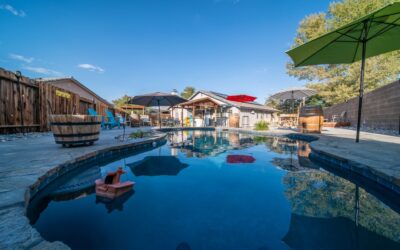
A pool deck has two jobs that most materials can’t do at once: stay safe when soaking wet and stay cool enough to walk on barefoot in full sun. Outdoor pool flooring has to be slip-resistant, comfortable underfoot, and tough enough to shrug off chlorine, UV, and constant moisture for years. Choosing the wrong surface means scalded feet, slippery hazards, and cracking within a few seasons. This guide walks through the materials that actually hold up around a pool and how to pick the right one.
Part of our Windows & Doors guide — explore the full guide →
What Pool Decking Has to Survive
Pool surroundings are a brutal environment for any flooring. The surface battles standing water and constant splashing, chlorine and salt-system chemicals, intense UV that fades and degrades materials, and temperature extremes that can crack rigid surfaces. On top of all that, it must provide reliable traction when wet and avoid getting blistering hot in direct sun.
Those competing demands — slip resistance, heat reflection, chemical resistance, and durability — are why ordinary patio materials often disappoint. The best pool flooring balances all four.
Once your patio flooring is in place, think about how you’ll use the space. A gazebo adds shade and structure, while a good outdoor furniture set turns it into a spot you’ll actually want to hang out in. A deck box is also worth considering if you need somewhere to stash cushions and outdoor gear.
We may earn a commission when you purchase through our links.
Textured Concrete and Cool-Deck Coatings
Concrete is the workhorse of pool decks, but plain broom-finished concrete gets uncomfortably hot and can be slick when wet. The upgrades solve both problems:
- Cool-deck coatings: A textured acrylic-cement overlay that reflects heat and stays cooler underfoot while adding grip. A longtime favorite for sunny climates.
- Stamped and textured concrete: Patterns add traction and style; sealing with a slip-resistant additive improves wet safety.
- Exposed aggregate: The pebbly surface naturally grips wet feet well.
Concrete is cost-effective, typically $6 to $15 per square foot for decorative finishes, but it can crack with ground movement and needs periodic resealing.
Porcelain Pavers
Outdoor porcelain pavers have become a premium favorite for good reason. Made for exterior use, they’re dense, frost-resistant, fade-proof under UV, and shrug off chlorine and salt. Textured anti-slip finishes (look for a high DCOF or R-rating) deliver excellent wet traction, and many lighter colors stay noticeably cooler than dark stone.
Porcelain pavers run roughly $10 to $25+ per square foot installed, but they resist staining, never need sealing, and look like natural stone or wood without the maintenance. They can be set on a base, on pedestals, or mortared, giving flexible installation options.
Rubber Surfacing
Poured-in-place or interlocking rubber is the safety champion. It offers outstanding slip resistance even when soaking wet, cushions falls (a real benefit where kids run), and stays cooler than concrete or stone. Rubber drains well and is comfortable for bare feet and play areas.
The trade-offs are appearance and longevity — rubber reads more functional than upscale, can fade and degrade under intense UV over time, and quality recycled-rubber surfacing typically costs $10 to $20 per square foot. It’s an excellent choice where safety outranks luxury, such as family pools and splash pads.
Composite Decking
For raised pool decks and above-ground pools, composite (wood-plastic) decking offers the warm look of wood without the rot, splinters, and refinishing. It resists moisture and won’t warp like real wood, and many lines now include cooler-toned, capped boards that stay more comfortable in sun than older composites.
Be honest about heat: dark composite boards can get hot in direct sun, so choose lighter colors and heat-reduction lines for pool use. Composite suits elevated decks and tropical-resort aesthetics, generally $15 to $30+ per square foot installed.
Materials to Approach With Caution
Some popular outdoor surfaces are poor pool choices. Smooth, polished natural stone and glazed tile become dangerously slippery when wet. Real wood decking splinters, rots, and needs constant sealing around water. Dark, dense stone like some flagstone absorbs heat and burns feet midday.
If you love a particular look, seek out the slip-rated, lighter-colored version of it — for example, honed or flamed stone with a textured surface rather than a polished one, or a textured porcelain that mimics the material safely.
How to Choose the Right Pool Flooring
Weigh four factors in order: safety, heat, durability, and looks. Confirm the slip rating first — for wet pool areas, look for high DCOF (0.42+) or an R-11 to R-13 slip rating. Then consider heat: lighter colors and reflective or cushioned materials keep feet comfortable. Check that the product is rated for outdoor and pool/chemical exposure, and finally choose the aesthetic that fits your home.
Climate matters too — freeze-prone regions need frost-resistant materials like porcelain or properly sealed concrete, while hot climates prioritize heat-reflective, cool-touch surfaces.
Care and Maintenance
Most pool flooring needs the same basics: rinse off chlorine, salt, and debris regularly, and clean with a mild cleaner suited to the material. Concrete and some stone need periodic resealing; porcelain pavers and rubber are largely maintenance-free beyond rinsing. Address algae or mildew promptly, since wet shaded areas can grow slick biofilm that defeats even a slip-resistant surface.
Understanding Slip Ratings
Since safety is the top priority around a pool, it helps to understand how slip resistance is measured so you can compare products meaningfully. Two systems show up on spec sheets. The DCOF (Dynamic Coefficient of Friction) is common for tile and porcelain in the US — look for a wet DCOF of 0.42 or higher for floors expected to get wet, which pool decks certainly do.
The R-rating (R9 through R13) is a European ramp-test scale you’ll also see on outdoor tile and pavers; for wet barefoot pool areas, R11 to R13 is the safe target. There’s also an A/B/C barefoot rating specifically for wet barefoot zones, where Class B or C suits pool surrounds. When a product lists a strong rating in any of these systems, you have objective evidence it will grip wet feet — far more reliable than a vague “slip-resistant” label.
Matching Flooring to Your Climate
Climate should steer your material as much as style does. In freeze-prone northern regions, choose materials that won’t crack when water in their pores freezes and expands — frost-rated porcelain pavers and properly mixed, sealed, and reinforced concrete are reliable, while some natural stones and low-quality tile can spall.
In hot, sunny climates the priority flips to heat management and UV stability. Light-colored cool-deck coatings, pale porcelain, and reflective surfaces keep feet comfortable at midday, and UV-stable products resist fading and degradation over years of intense sun. Humid and coastal areas add a mildew and salt-resistance consideration, favoring porcelain and quality rubber that shrug off both. Picking a material suited to your weather prevents the cracking, fading, and burning-hot surfaces that plague mismatched choices.
The Bottom Line
The best outdoor pool flooring is the one that keeps feet safe and comfortable while standing up to water, chemicals, and sun. Textured concrete and cool-deck coatings offer the best value, porcelain pavers deliver premium looks with low maintenance, rubber wins on safety, and composite suits raised decks. Prioritize slip resistance and heat first, match the material to your climate, and your pool deck will be both safe and beautiful for years.
Prefer to explore on your own?
See how new flooring looks in your actual room in seconds — free, no signup.
Try the free Floor Studio →