Drive through any upscale neighborhood after dark and you will notice the homes that glow from above, their walls washed in soft, even light with no visible fixtures. That clean, architectural effect comes from outdoor recessed soffit lighting, downlights installed flush into the underside of the roof overhang. Unlike bulky surface-mounted fixtures, recessed soffit lights disappear into the eaves during the day and cast a polished, layered glow at night. They improve curb appeal, add security, and light walkways and entries without clutter. This guide covers the fixture types, spacing, safety ratings, and installation basics you need to light your home’s exterior like a pro.
Part of our Roofing guide — explore the full guide →
What Soffit Lighting Does for Your Home
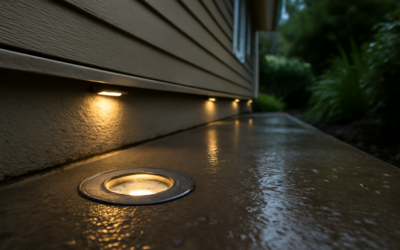
The soffit is the horizontal underside of your roof’s overhang, and recessing lights into it points illumination straight down the face of the house or out over walkways, patios, and entries. This creates several effects at once. Downward light grazes the walls to highlight texture and architecture, brightens dark corners for safety, and provides ambient light for porches and outdoor living spaces.
Beyond aesthetics, soffit lighting is a strong security feature. A well-lit perimeter eliminates the shadows intruders rely on and makes a home look occupied and cared for. Because the fixtures are hidden in the eaves, they deliver all of that without the dated look of floodlights bolted to the wall.
Types of Soffit Light Fixtures
Not every recessed light belongs outdoors, and choosing the right fixture is the most important decision. The main options include:
- Standard recessed downlights (wet-rated): The most common choice, casting a broad wash of light downward. Perfect for general illumination along the eaves.
- Adjustable or gimbal downlights: These pivot to aim light at a specific target, ideal for grazing a stone wall, spotlighting an entry door, or accenting architectural details.
- Slim canless LED fixtures: Low-profile integrated LED units that fit tight soffit spaces and install easily, increasingly the default for new work.
- Directional eyeball trims: For pointed accent lighting on columns, landscaping, or house numbers.
Most homeowners use a mix, standard downlights for even coverage and a few adjustable fixtures to highlight focal points like the front door or a stone chimney.
Wet vs. Damp Rating: A Critical Detail
This is where outdoor soffit lighting differs fundamentally from indoor recessed lights, and getting it wrong is a safety hazard. Fixtures are rated for the moisture they can handle:
- Damp-rated: Suitable for covered areas not exposed to direct rain, such as a deep porch ceiling or protected soffit.
- Wet-rated: Sealed against direct water exposure, required anywhere rain, snow, or sprinkler spray can reach the fixture.
Because eaves can be hit by wind-driven rain, wet-rated fixtures are the safest universal choice for exterior soffits. Never install an ordinary indoor recessed light outdoors, moisture will corrode it, trip breakers, or create a shock hazard. Always confirm the rating on the box.
Spacing and Layout for an Even Wash
Proper spacing separates a professional-looking result from a spotty one. As a general guideline, space soffit downlights 6 to 10 feet apart along the eaves for even coverage, tightening the spacing to accent specific features. A common approach is to align fixtures with architectural elements like windows and columns so the pattern looks intentional.
A few layout principles help:
- Keep the spacing consistent so the wall is washed evenly rather than pooled with bright and dark spots.
- Position lights to accent entries, garage doors, and pathways where light does the most for safety and welcome.
- Consider the beam spread; wider beams cover more wall, while narrower beams create dramatic accent columns of light.
- Match the color temperature across all fixtures, warm white around 2700K to 3000K reads inviting and residential, while cooler light can feel harsh.
Installation Basics
Installing soffit lights involves cutting into the eaves and running wiring, so it sits at the more advanced end of DIY. The general process runs like this.
- Plan the layout and mark fixture locations, checking for rafters, blocking, or vents behind the soffit.
- Cut the fixture holes with a hole saw sized to the recessed housing.
- Run wiring from a switched circuit through the soffit to each location, following code for exterior wiring.
- Connect each fixture, tuck the wiring into the housing, and seat the light flush with the soffit.
- Tie the circuit into a switch, timer, photocell, or smart controller so the lights turn on automatically at dusk.
Because you are working with electrical wiring, exterior penetrations, and often a ladder at height, many homeowners hire an electrician for this project. Improper wiring in a moisture-prone location is genuinely dangerous, and code compliance matters for both safety and insurance. If you are comfortable with electrical work and local codes, the fixtures themselves install much like interior recessed lights.
Cost of Soffit Lighting
Budgeting for a soffit lighting project depends on the number of fixtures, whether you DIY, and how much wiring is already in place. The fixtures themselves are affordable, with quality wet-rated LED downlights running $20 to $60 each, and adjustable or higher-end fixtures $50 to $150. The bigger cost is usually labor and wiring.
For a professional installation, expect roughly $100 to $250 per fixture installed when new wiring must be run, factoring in the electrician’s time, the exterior wiring, and the switching or automation. A typical home lighting the front and sides might use 8 to 16 fixtures, putting a professional project somewhere between $1,500 and $4,000. Doing the fixture installation yourself, when wiring is accessible, drops the cost substantially, though running new circuits and cutting into finished soffits is where many homeowners decide to bring in a pro. Because LED fixtures last many years and sip power, the ongoing operating cost is minimal even running dusk to dawn.
Common Design Mistakes to Avoid
A few missteps separate a soffit lighting job that looks custom from one that looks amateur. The most common is inconsistent spacing, which creates an uneven wall of bright pools and dark gaps instead of a smooth wash. Measure and mark carefully so the fixtures line up and space evenly.
- Mixing color temperatures: Combining warm and cool bulbs across the same facade looks disjointed. Keep every fixture at the same Kelvin value, ideally a warm 2700K to 3000K for a residential glow.
- Using the wrong moisture rating: Installing damp-rated or indoor fixtures where rain reaches them leads to corrosion and hazards. Default to wet-rated outdoors.
- Over-lighting: Cramming in too many bright fixtures can make a home look like a commercial building. Aim for a soft, even wash, not a floodlit glare.
- Forgetting controls: Wiring the lights to a manual switch you have to remember means they often stay off. A photocell or timer ensures reliable dusk-to-dawn operation.
Planning the layout on paper first, marking fixture positions against windows and architectural features, prevents most of these problems before you ever pick up a hole saw.
Controls and Efficiency
Modern soffit lighting is almost universally LED, which draws a fraction of the power of old incandescent or halogen fixtures and lasts far longer, a real advantage for lights that run every night and sit in hard-to-reach eaves. Pairing them with a photocell or smart timer means they turn on at dusk and off at dawn automatically, giving you dusk-to-dawn security and curb appeal without touching a switch.
For flexibility, dimmable fixtures on a smart controller let you set a bright welcome scene when guests arrive and a softer ambient level for everyday evenings. Done well, outdoor recessed soffit lighting transforms how your home looks after dark, delivering safety, security, and that sought-after architectural glow, all from fixtures you barely notice in the daylight.
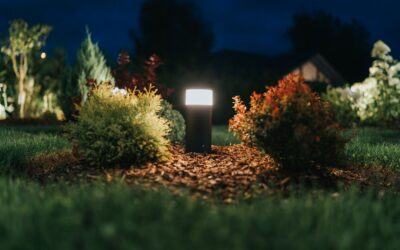
As a final consideration, think about how soffit lighting fits into your home’s larger exterior lighting plan. It works best as one layer among several, complementing path lights along walkways, uplights on trees or architectural columns, and entry fixtures at the front door. Soffit downlights provide the broad, even wash that ties everything together, while the accent layers add depth and drama. Coordinating the color temperature across all of these, keeping everything in the warm 2700K to 3000K range, ensures the whole property reads as one cohesive, professionally lit scene rather than a patchwork of mismatched fixtures. Planned as a system, exterior lighting elevates curb appeal and safety in a way no single fixture can.