Install a standard can light over your shower and you’re not just risking a burned-out bulb, you’re risking a short, a tripped breaker, and a real shock hazard. Wet rated recessed lighting exists precisely because ordinary fixtures aren’t built to survive direct contact with water, and knowing when the code demands it protects both your home and the people in it. Whether you’re lighting a steamy master bath, a covered patio, or the underside of your eaves, choosing the right rating is the detail that separates a safe, long-lasting install from a callback and a corroded fixture.
- Wet Rating vs. Damp Rating: The Critical Difference
- Where Wet Rated Fixtures Are Required
- What Makes a Fixture Wet Rated
- Choosing the Right Wet Rated Light
- Installation and Safety Requirements
- Common Mistakes to Avoid
- Maintenance and Longevity
- Lighting Layout for Wet Areas
- Energy Efficiency and LED Advantages
- Making the Right Call
Wet Rating vs. Damp Rating: The Critical Difference
The terms sound interchangeable, but they mean very different things, and mixing them up is the most common lighting mistake homeowners make. Both are UL safety classifications that describe how much moisture a fixture can handle.
- Wet rated: Built to withstand direct exposure to water, including rain, snow, and shower spray. These fixtures have gaskets, sealed housings, and drainage or corrosion-resistant construction that keeps water out of the electrical components.
- Damp rated: Designed for areas with moisture and humidity but no direct water contact, like a covered porch ceiling protected from rain or a bathroom outside the shower zone.
- Dry rated: Standard indoor fixtures for living rooms and bedrooms, with no moisture protection at all.
The simple test: if water can physically land on the fixture, you need wet rated. If the spot is merely humid or occasionally misty but sheltered from direct spray and rain, damp rated is acceptable. When in doubt, going with the more protective wet rating never hurts.
Where Wet Rated Fixtures Are Required
Building codes and common sense both point to specific locations where only a wet rated fixture belongs. These are the zones where water contact is a matter of when, not if.
- Directly over a shower or tub: The interior of the shower enclosure and above a tub where spray reaches.
- Open patios and decks: Any exterior overhead fixture exposed to rain and snow.
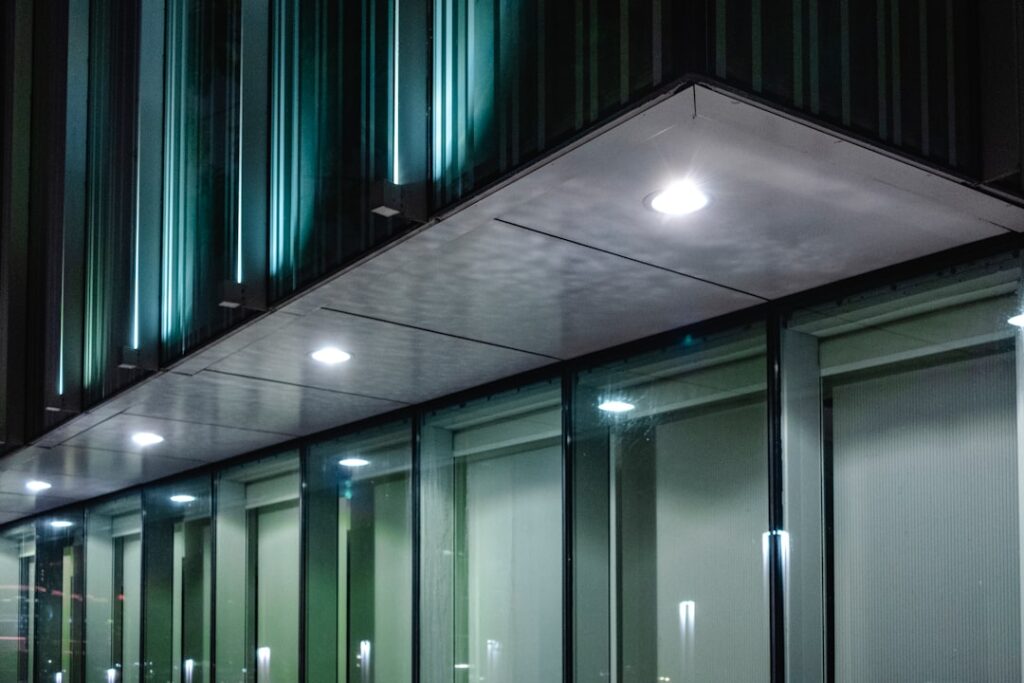
- Eaves and soffits: Recessed lights under roof overhangs that wind-driven rain can reach.
- Outdoor kitchens and pergolas: Cooking and entertaining areas open to the weather.
- Pool and spa surrounds: Where splashing and humidity are constant.
Local code often specifies that fixtures within a defined zone around a tub or shower, typically measured a set distance from the water source, must be wet rated and GFCI protected. Always confirm your local requirements, since inspectors take bathroom and exterior lighting seriously.
What Makes a Fixture Wet Rated
The rating isn’t marketing, it reflects real construction differences you can often see. Wet rated recessed housings use sealed lenses with rubber or silicone gaskets that keep moisture away from the socket and wiring. The trims are frequently a solid, gasketed “shower trim” style with a tempered glass or polycarbonate lens rather than the open baffle of an indoor can. Housings and hardware use corrosion-resistant materials so salt air and constant humidity don’t eat them alive.
Many modern wet rated options are sealed LED units with an integrated driver and a rated ingress protection level, sometimes listed as an IP rating alongside the UL wet designation. A higher IP number means better protection against both dust and water, which matters for exterior installs facing driving rain.
Choosing the Right Wet Rated Light
Once you’ve confirmed you need a wet rating, several other specs shape the right choice for your space. Match the fixture to both the environment and the mood you want.
- Lens type: A frosted or diffused lens softens the light over a shower, while a clear lens throws a brighter, more focused beam.
- Color temperature: Warm 2700K to 3000K flatters a bathroom and patio, while 3500K to 4000K reads crisp and functional in a task area.
- Size: 4-inch cans suit tight showers and accent lighting, while 6-inch units give broad general illumination on patios.
- Airtight and IC rating: If the fixture contacts insulation, choose an IC-rated, airtight housing to prevent overheating and energy loss.
- Dimmability: Confirm the LED works with your dimmer to avoid flicker, especially useful over a relaxing soaking tub.
For a shower, a sealed 4-inch LED wet rated trim in a warm 3000K with a frosted lens is a reliable, flattering default. For an exterior patio, size up to 6-inch fixtures for broader coverage.
Installation and Safety Requirements
Wet rated fixtures demand a few extra steps beyond a standard can, and skipping them undermines the whole point of the rating. Turn off the power at the breaker and verify it’s dead before touching any wiring.
- Confirm the circuit is GFCI protected, which code requires for bathroom and most outdoor fixtures to guard against shock.
- Use the fixture’s supplied gasket and seal all connections so no moisture reaches the wiring.
- In exterior installs, seal the trim to the ceiling surface and ensure any housing penetrations are weatherproofed.
- Maintain proper clearance from insulation unless the housing is IC rated.
- Test the GFCI after installation and confirm the fixture operates cleanly.
If any part of the wiring or GFCI work feels beyond your comfort, hire a licensed electrician. Bathroom and exterior circuits carry a genuine shock risk, and a proper GFCI install is not the place to guess.
Common Mistakes to Avoid
Even careful homeowners trip over a few recurring errors. Watching for them saves you from a failed inspection or a fixture that fails early.
- Using a damp rated fixture in a wet location: The most dangerous shortcut, since a damp fixture over a shower will corrode and can short out.
- Forgetting GFCI protection: A wet rated fixture on a non-GFCI circuit still leaves a shock hazard.
- Ignoring the trim gasket: Reusing an old open trim on a wet rated housing defeats the seal.
- Skipping the IP rating outdoors: On exposed eaves facing driven rain, a low IP fixture lets water creep in.
The corrosion issue is the sneaky one. A wrong fixture may work fine for a season, then rust internally where you can’t see it until it fails. Buy the right rating up front and you never think about it again.
Maintenance and Longevity
Quality wet rated LED recessed lights last 25,000 to 50,000 hours and shrug off the conditions that destroy ordinary fixtures. Maintenance is minimal: wipe the lenses occasionally to keep them bright, check exterior gaskets every few years for cracking, and confirm the GFCI still trips and resets on its monthly test. In coastal and high-humidity climates, inspect trim hardware for early corrosion even on rated fixtures.
If a sealed LED unit does fail, you replace the whole fixture rather than a bulb, but the long rated life means that’s a rare event over the life of a bathroom or patio.
Lighting Layout for Wet Areas
Placement matters as much as the rating, since a wet location has its own lighting challenges. In a shower, a single wet rated recessed light centered over the space usually provides enough illumination, but a large or enclosed shower may need two for even coverage without shadows. Aim to light the whole footprint rather than a single spot, so you’re not stepping from bright to dim as you move.
On patios and porches, space recessed fixtures evenly to wash the ceiling and floor with consistent light, typically every 4 to 6 feet depending on ceiling height and beam spread. Under eaves and soffits, align fixtures with the architecture and space them to avoid dark gaps between pools of light. For an outdoor kitchen or seating area, layer the recessed lighting with task light over the cooking zone and softer ambient fixtures for atmosphere.
Energy Efficiency and LED Advantages
Nearly all modern wet rated recessed lighting is LED, and for good reason in these demanding locations. LEDs run cool, use a fraction of the energy of old incandescent or halogen cans, and last far longer, which matters when the fixture is sealed over a shower or high on an exterior soffit where changing a bulb is a chore. A sealed LED unit with a long rated life means you may never touch it again for the life of the installation.
- Low heat output: Reduces the risk of moisture-related issues and is safer near insulation.
- Long lifespan: 25,000 to 50,000 hours means rare replacement in hard-to-reach wet spots.
- Energy savings: A fraction of the wattage of halogen for the same brightness, trimming your power bill.
- Instant, flicker-free light: Full brightness immediately, even in cold outdoor temperatures.
When shopping, look for the ENERGY STAR label alongside the wet rating and IP number. It confirms the fixture meets efficiency and performance standards, giving you a light that’s safe, durable, and cheap to run in the exact spots where replacing a failed fixture is the biggest hassle.
Making the Right Call
The rule is refreshingly simple: if water can touch the fixture, buy wet rated, and pair it with a GFCI-protected circuit. Reserve damp rated units for sheltered, merely humid spots, and never let a dry-rated indoor can anywhere near a shower or an open patio. Match lens, color temperature, and size to the space, seal every gasket, and bring in an electrician when the wiring exceeds your comfort. Choose your wet rated recessed lighting correctly and you’ll get safe, corrosion-free illumination that holds up to steam, spray, and storms for decades.