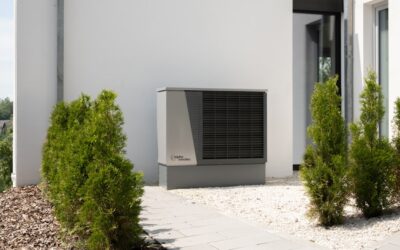
Walk around a house in Phoenix, then one in Ohio, and you will often see two very different HVAC setups. One has a single large cabinet outside with ducts running straight into the wall or roof. The other has an outdoor condenser paired with a furnace or air handler tucked in a closet, attic or basement. A package unit hvac system puts everything in that one outdoor cabinet; a split system divides the components between inside and out.
Neither is better in every situation. Package units shine in homes without indoor space for equipment, such as slab homes with no basement, many manufactured homes and small commercial buildings. Split systems usually win on efficiency options, quieter operation and long-term flexibility, and they are the standard choice in most single-family homes with a basement, attic or utility closet.
The right answer depends on where your ducts run, how much indoor space you have, your climate and your budget. Here is how to decide.
How a Package Unit HVAC System Works
A packaged unit contains the compressor, condenser coil, evaporator coil, blower and, in many models, a heating section, all in one weatherproof cabinet. It sits on a concrete pad beside the house or on the roof. Supply and return ducts connect directly to the cabinet through an exterior wall or the roof deck.
Common packaged configurations include:
- Packaged air conditioner: cooling only, sometimes with electric heat strips.
- Packaged heat pump: heats and cools with one refrigerant system.
- Packaged gas-electric (gas pack): electric cooling with a gas furnace section for heat.
- Packaged dual fuel: a heat pump with gas backup for cold snaps.
Because all refrigerant lines are sealed at the factory, there are no long line sets running into the house. Installers connect ducts, power, the thermostat, condensate drain and, for gas packs, a gas line.
How a Split System Works
A split unit hvac system separates the equipment. The outdoor condenser or heat pump holds the compressor and outdoor coil. Inside, a furnace or air handler holds the blower and the indoor coil. Copper refrigerant lines and a control wire connect the two.
A central split system is the most common residential setup in the US. It fits naturally in homes with a basement, attic or interior closet, where the indoor unit can sit near the center of the duct system. Ductless mini-splits are a separate category: they also split components, but they deliver air through wall or ceiling heads instead of ducts.
Head-to-Head Comparison
| Factor | Package unit | Split system |
|---|---|---|
| Indoor space needed | None | Closet, attic or basement |
| Efficiency range | Moderate to good | Moderate to very high |
| Installed cost | Often similar or lower | Wider range, higher at top end |
| Noise indoors | Very low | Low; blower inside |
| Weather exposure | All parts outside | Only condenser outside |
| Typical lifespan | About 12 to 17 years | About 15 to 20 years |
Efficiency
Both systems are rated by SEER2 for cooling and HSPF2 for heat pump heating. Package units have improved, but split systems still offer more high-efficiency and variable-speed options. If your utility costs are high or you want the quietest, most even comfort, split systems give you more choices.
Cost
General installed ranges vary widely by size, efficiency and region. Replacing a package unit hvac system often runs roughly $5,000 to $12,000. A central split system replacement (condenser plus furnace or air handler) often runs roughly $6,000 to $15,000 or more, and higher for top-tier variable-speed equipment. Adding or replacing ductwork, a new electrical circuit or a gas line raises either figure. Treat these as budgeting ranges and get written quotes.
Lifespan and maintenance
Because every component of a package unit lives outdoors, it faces more sun, rain, snow and debris. Cabinets can rust in coastal areas, and blower components wear sooner. Split systems keep the blower and indoor coil protected. Both benefit from annual maintenance: filter changes, coil cleaning, condensate drain checks and refrigerant checks by a licensed technician.
Where Each System Fits Best
Slab-on-grade homes
Many slab homes in the South and Southwest have no basement and limited attic space. A packaged unit on a pad or roof with ducts in the attic is common and practical. A split system can still work with an attic air handler, but attic heat can reduce efficiency and complicate service.
Crawlspace homes
Homes with a crawlspace often have ducts running under the floor. A package unit can connect through the foundation wall into those ducts, which keeps equipment out of the tight crawlspace. A split system with a horizontal furnace or air handler in the crawlspace is another option but is harder to service.
Manufactured and mobile homes
Mobile home hvac systems frequently use package units, or split systems designed specifically for manufactured housing, because interior space is limited and floor ducts are standard. Equipment must be approved for manufactured home use, and the connection to the home’s duct system matters. A licensed installer familiar with manufactured homes should handle it.
Homes with basements or large closets
This is where split systems dominate. A furnace or air handler in the basement delivers air through a central trunk efficiently and stays accessible for service.
Cold climates
Split systems with an indoor gas furnace, or dual fuel setups, are the norm in colder regions. Package gas packs and dual fuel packages exist but are less common in northern markets.
Pros and Cons Summary
Package unit advantages
- Frees up indoor space
- Very quiet indoors
- Factory-sealed refrigerant circuit
- Often simpler and quicker to replace
Package unit drawbacks
- All components exposed to weather
- Fewer ultra-high-efficiency choices
- Large outdoor footprint; may need a roof curb or crane for rooftop units
Split system advantages
- Wide range of efficiency and comfort options
- Indoor components protected from weather
- Components can often be replaced individually
Split system drawbacks
- Needs indoor space for a furnace or air handler
- Line sets between units add installation complexity
- Mismatched indoor and outdoor components can hurt efficiency
Switching From One Type to the Other
A few questions help settle the choice quickly. Do you have a basement, closet or attic that can hold a furnace or air handler with room to service it? Is your existing duct system built around a wall or roof connection to an outdoor cabinet? Do you live near the coast, where salt air shortens the life of outdoor cabinets? And how long do you plan to stay? Owners planning to stay 15 years or more often find the efficiency and longevity of a split system worth the higher price, while a package unit hvac replacement is often the practical, lower-disruption choice in homes already built around one.
Converting a package unit to a split system requires finding indoor space for the air handler, running a refrigerant line set, re-routing ducts and possibly adding electrical and gas connections. Going the other way means relocating duct connections to an exterior wall or roof. Both are major projects involving refrigerant handling, electrical work, and sometimes gas piping, so they are licensed-pro only and usually need permits. In most replacements, staying with the same type keeps cost and disruption lower unless there is a clear reason to switch.
Safety and Electrical Considerations
Both systems run on high-voltage circuits, typically 240 volt dedicated circuits with an outdoor disconnect near the unit. Homeowners can change filters, keep 2 feet of clearance around outdoor cabinets and clear debris, but should turn off the thermostat and the outdoor disconnect or breaker before any cleaning near the unit, and confirm power is off with a non-contact voltage tester. Do not open electrical panels or refrigerant components. For gas packs, if you smell gas, leave the home and call your utility from outside.
When to Call a Licensed Professional
Sizing, installation, refrigerant work, electrical connections and gas piping should all be handled by licensed HVAC contractors and electricians, with permits where required. Ask for a room-by-room load calculation rather than a size-for-size swap, confirm the proposed equipment is matched and rated together, and check that the quote includes the pad or curb, disconnect, thermostat, condensate drain and duct transitions.
Frequently Asked Questions
Is a package unit cheaper than a split system?
Often, but not always. Installed prices overlap. Package units can be less expensive to replace, while split systems span a wider price range because of their broader efficiency options.
Which lasts longer, a package unit or a split system?
Split systems often last somewhat longer because their indoor components are protected from weather. Maintenance and climate have a big impact on either type.
Are package units good for mobile homes?
Yes, they are common on manufactured homes because they save interior space. Equipment and connections must be suitable for manufactured housing, so use an experienced licensed installer.
Can a package unit be installed on the roof?
Yes. Rooftop packaged units are common on flat roofs and commercial buildings. The roof must support the weight, and the curb must be sealed properly to prevent leaks.
Is a split system more efficient?
Split systems generally offer higher top-end efficiency and more variable-speed options. For many homes, a well-installed package unit with a good rating performs comparably.