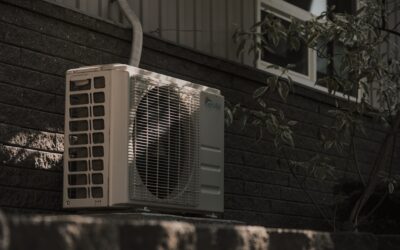
Shoppers hunting for affordable ductless cooling often come across a name that is common in Mexico and increasingly seen across the southern United States. A mirage mini split is a ductless heat pump made by Mirage, a Mexican HVAC manufacturer known for competitive pricing. This guide explains who makes them, how they perform, and what to weigh before buying.
- Who Makes Mirage Mini Splits
- What You Get for the Price
- Capacity and Sizing Options
- Efficiency Ratings
- Warranty and Parts Availability
- What a Mirage Mini Split Costs
- Installation Overview
- Electrical Requirements
- Heating Performance
- How It Compares to Premium Brands
- Buying Through the Right Channel
- Maintenance
- Troubleshooting
- Common Mistakes to Avoid
- Multi-Zone Options
- Is Mirage the Right Choice
Who Makes Mirage Mini Splits
Mirage is a Mexico-based air conditioning brand that produces mini splits, window units, and light commercial equipment. The company has strong distribution throughout Mexico and Latin America, and its ductless systems have gained a following in U.S. border states and warm-climate regions where value pricing matters. Like many global HVAC brands, Mirage sources components from established compressor and electronics suppliers.
What You Get for the Price
The main appeal is cost. Mirage systems typically undercut premium Japanese and Korean brands while offering the same core feature set: inverter compressors, remote controls, heating and cooling in heat-pump models, and standard wall-mounted indoor heads. For a rental property, a workshop, or a room addition where you want reliable comfort without a premium price, they are a reasonable choice.
Capacity and Sizing Options
Mirage offers the usual residential capacities, from small 9,000 and 12,000 BTU heads up through 18,000, 24,000, and 36,000 BTU systems. Sizing follows the same rules as any brand: aim for roughly 20 to 25 BTU per square foot and adjust for insulation, ceiling height, sun exposure, and climate. As a quick reference:
- 9,000 BTU: 250 to 400 sq ft
- 12,000 BTU: 400 to 550 sq ft
- 18,000 BTU: 550 to 800 sq ft
- 24,000 BTU: 800 to 1,200 sq ft
- 36,000 BTU: 1,400 to 1,800 sq ft
Avoid the temptation to oversize. An oversized unit cools quickly but leaves humidity behind and short-cycles, wasting energy and wearing out components.
Efficiency Ratings
Mirage inverter mini splits generally post SEER2 ratings in the high teens to low 20s, competitive with other value brands though usually below ultra-premium models that reach the 30s. Heat-pump versions carry HSPF2 ratings around 8 to 9.5. For most mixed and warm climates, these ratings translate to reasonable operating costs, especially since the inverter modulates output rather than cycling on and off.
Warranty and Parts Availability
Warranty terms vary by market and seller, so confirm the exact coverage before buying, including whether the compressor carries a longer term than the general parts warranty. The bigger consideration for U.S. buyers is parts and service support. Mirage’s dealer network is dense in Mexico but thinner in parts of the United States, so verify that a local supplier can source boards, sensors, and compressors before committing. Buying through an authorized U.S. distributor is safer than an unsupported gray-market import.
What a Mirage Mini Split Costs
Equipment prices are among the brand’s strengths. A 12,000 BTU single-zone Mirage system often runs $600 to $1,100 for the equipment, with 24,000 BTU units around $1,200 to $2,000. Professional installation adds $1,500 to $4,000 depending on complexity. Because the equipment is affordable, the installed total often lands below comparable premium-brand jobs.
Installation Overview
- Confirm sizing and select indoor head locations with clear airflow.
- Mount the bracket level and drill the angled pass-through hole.
- Hang the indoor head and route the line set, control wire, and drain.
- Set the outdoor condenser on a level pad with service clearance.
- Make and torque the flare connections.
- Evacuate the lines with a vacuum pump and verify they hold vacuum.
- Open the valves, power up, and test heating and cooling.
As with any brand, opening the sealed refrigerant circuit, evacuating, or adding refrigerant requires EPA Section 608 certification in the United States. If you are not certified, hire a licensed HVAC technician for the refrigerant work and the 208/230-volt electrical connections, both of which carry real hazards.
Electrical Requirements
Most Mirage systems above 9,000 BTU need a dedicated 208/230-volt circuit sized to the nameplate’s minimum circuit ampacity, protected at the listed maximum overcurrent value, usually 15 to 30 amps depending on capacity. A weatherproof disconnect near the outdoor unit is required by code. Have a licensed electrician verify panel capacity and handle the wiring.
Heating Performance
Mirage heat-pump models heat as well as cool, which is a strong value proposition in the mild and warm climates where the brand is popular. In those regions a Mirage heat pump can supply most or all of a room’s winter heat at low running cost. In colder northern climates, verify the low-temperature heating capacity before relying on it, as value-brand units are not always rated for extreme cold the way premium cold-climate models are. For border states and the Sun Belt, heating performance is rarely a concern.
How It Compares to Premium Brands
The honest comparison is value versus longevity and support. Premium Japanese and Korean brands generally offer higher peak SEER2 ratings, longer warranties, quieter operation, and a denser U.S. service network, all of which cost more upfront. Mirage trades some of that for a lower price. For a heavily used primary living space you plan to keep for 20 years, the premium may pay off. For a rental, garage, addition, or secondary room, the value brand often makes better financial sense.
Buying Through the Right Channel
Where you buy matters as much as what you buy. Purchasing from an authorized U.S. distributor protects your warranty and gives you a support path for parts and technical questions. Gray-market units imported without authorized backing may be cheaper still, but a failed control board with no available replacement can turn a bargain into scrap. Confirm the seller is authorized, get the warranty terms in writing, and ask where replacement parts come from before you pay.
Maintenance
- Clean the indoor filters every four to six weeks.
- Rinse the outdoor coil annually and keep it clear of debris.
- Flush the condensate drain each spring.
- Schedule a professional charge and electrical check every few years.
Routine care matters more with value brands, since neglected filters and coils shorten component life and there may be less local service backup.
Troubleshooting
Weak cooling usually traces to a dirty filter, blocked outdoor coil, or low refrigerant. Water dripping indoors means a clogged or poorly sloped drain line. Error codes shown on the indoor display correspond to specific faults in the manual, most often sensor or communication issues. Keep the model and serial numbers handy when calling for support, and confirm your dealer stocks common replacement boards.
Common Mistakes to Avoid
Buying a gray-market unit with no U.S. warranty or parts support is the most common regret. Others include oversizing the system, skipping the vacuum step during install, undersizing the electrical circuit, and placing the outdoor unit where it cannot get airflow. Confirm support and size correctly and the system should serve reliably.
Multi-Zone Options
Mirage also offers multi-zone condensers that feed two or more indoor heads, letting you condition several rooms from one outdoor unit. This suits homes where running separate single-zone systems would clutter the exterior with multiple condensers. As with any brand, the combined indoor capacity can exceed the condenser rating because zones rarely run at full load simultaneously. Match the head sizes to each room’s load, and remember that a multi-zone job is more complex to install and commission, so professional help is even more valuable here.
Is Mirage the Right Choice
Mirage makes sense when budget is the priority and you have confirmed local parts and service. If you need the highest efficiency ratings, the longest warranties, or the deepest U.S. service network, a premium brand may be worth the extra money. For rentals, secondary spaces, and warm-climate rooms where value counts, the brand delivers solid comfort per dollar.
A mirage mini split offers budget-friendly ductless heating and cooling from an established Mexican HVAC maker, provided you buy through an authorized channel, confirm parts availability, size the unit accurately, and have certified professionals handle the refrigerant and electrical work. With those boxes checked, it is a sensible way to add efficient comfort without paying premium-brand prices.