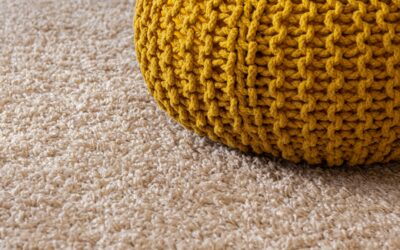
Stand at a kitchen sink for twenty minutes on bare tile and your feet, knees, and lower back will remind you why cushioning matters. A padded rug solves that problem by building the softness right into the floor covering, either through a foam or memory-foam layer bonded to the back of the rug or through a plush, high-loft construction that cushions every step. Over years of outfitting kitchens, laundry rooms, and playrooms, I have found that a good padded rug does three jobs at once: it takes the fatigue out of standing, it grips the floor so nobody slips, and it quiets a hard-surface room. This guide explains how these rugs are built, where they belong, and how to choose and clean one.
What “Padded” Actually Means
The term covers two different constructions, and knowing which you are buying matters.
- Built-in padding: The rug has a cushioning layer, often memory foam, high-density PU foam, or thick felt, permanently bonded to its underside. You buy one piece and lay it down. These are common in anti-fatigue kitchen mats and plush washable rugs.
- Rug plus separate pad: A standard rug placed over an add-on rug pad you buy separately. This gives you control over exactly how much cushion and grip you get, and it lets you upgrade the pad without replacing the rug.
A built-in padded rug is simpler and lies lower, which is great where a door has to clear it. A rug-plus-pad setup is more versatile and often more durable, because you can wash or swap the two layers independently. Neither is universally better; the right choice depends on the room.
The Benefits of a Padded Rug
The cushioning is not just about plush luxury. There are practical, measurable gains.
- Anti-fatigue comfort: A cushioned surface lets your leg muscles make tiny constant adjustments, which reduces the fatigue and joint strain of standing on hard floors. This is the whole reason commercial kitchens use anti-fatigue mats.
- Slip resistance: Most padded rugs have a rubberized or grippy backing that keeps them planted on tile, vinyl, and hardwood, cutting the fall risk of a sliding rug.
- Sound dampening: The foam absorbs impact and echo, softening the hard, noisy feel of tile and laminate rooms.
- Floor protection: The padding cushions the floor from dropped dishes and pans, and it prevents the rug’s own weave from grinding grit into the finish.
- Warmth: A padded layer insulates against a cold slab or basement floor, so the surface feels warmer underfoot.
The Best Rooms for a Padded Rug
Padded rugs earn their keep anywhere you stand for a while or want extra comfort and grip.
Kitchen
The number-one spot. A padded runner in front of the sink and stove turns dishwashing and long cooking sessions from a chore into something your back can tolerate. Choose a wipeable or washable surface here because grease and spills are guaranteed.
Laundry Room
Standing to fold, sort, and load rewards cushioning, and a non-slip padded rug also grips against the vibration and moisture common in laundry spaces.
Bathroom
A plush padded bath rug feels great on wet feet, and the grippy backing is a real safety upgrade on slick tile. Look for quick-drying materials so the padding does not stay damp.
Kids’ Rooms and Playrooms
Extra cushion softens tumbles and gives kids a comfortable surface to sit and play on. A thicker foam-backed rug turns a hard floor into a safer play zone.
Home Office and Standing Desk
If you use a standing desk, a padded rug or anti-fatigue mat underneath keeps your feet and back happy through a long workday.
Choosing the Right Thickness
Padding thickness is a balance between comfort and practicality. More cushion feels better underfoot but sits higher and can be a trip point or block a door.
- 1/4 inch and under: Low profile. Good grip and modest cushion, clears doors easily, best for entries and spots where height is tight.
- 3/8 to 1/2 inch: The sweet spot for kitchens and laundry rooms. Noticeable anti-fatigue comfort without becoming a hazard.
- 1/2 inch to 3/4 inch: Plush and cushy, great for bathrooms, standing desks, and play areas, but check your door clearance and be mindful of the edge as a trip point.
Also watch the edge design. A padded rug with a tapered or beveled edge is far less likely to catch a toe than one with a thick square edge. In high-traffic paths, beveled edges are worth seeking out.
Materials to Look For
The top surface and the padding core are two separate specs, and both matter.
- Memory foam core: Contours to your feet for maximum comfort. Excellent for standing zones, though it can compress over time in very heavy-traffic spots.
- High-density PU or PVC foam: Firmer and more resilient, holds its cushion longer under constant use. The choice for true anti-fatigue mats.
- Felt or felt-and-rubber: Common on rug pads, breathable and durable, with rubber adding grip.
- Chenille or microfiber top: Soft, absorbent, and washable, ideal for kitchen and bath comfort mats.
- Polypropylene top: Tough and stain resistant for high-traffic and messy areas.
For the backing, confirm it is a genuine non-slip rubber or TPR rather than a smooth plastic film that will slide. And on hardwood, verify the backing is finish-safe, because some cheap rubberized backings can discolor or stick to a floor finish over time.
Cleaning and Maintenance
How you clean a padded rug depends on the construction. Many thinner foam-backed and chenille rugs are machine washable on cold and gentle, but you must air-dry them or use no heat, because a hot dryer can melt or crumble foam padding. Read the care tag before the first wash.
Thicker anti-fatigue padded rugs are usually spot-clean only: wipe the surface with a damp cloth and mild soap, blot spills promptly, and let the mat dry fully before walking on it so moisture does not get trapped against the floor. Lift the rug periodically to sweep underneath and let the floor breathe, since trapped moisture and grit under any padded rug can dull a finish. Vacuum plush tops on a low setting to keep the pile fresh. With reasonable care, a quality padded rug holds its cushion and grip for several years before the foam finally packs down and it is time to replace it.
What to Budget
Prices track with size and padding quality. A small foam-backed kitchen or bath mat runs $20 to $50. A quality anti-fatigue padded runner for the kitchen sink lands around $40 to $90. Larger plush washable padded area rugs range from $80 to $200, and if you go the rug-plus-separate-pad route, budget an extra $20 to $60 for a good pad. Spending a little more on high-density foam pays off because cheap padding compresses flat within a year and loses the very comfort you bought it for.
The Bottom Line
A padded rug delivers comfort, safety, and quiet in one simple upgrade, and it belongs anywhere you stand for a stretch or want a softer, grippier floor. Decide between a built-in padded rug and a rug-over-pad setup based on the room, pick a thickness that cushions without becoming a trip hazard, choose a washable top for messy spaces, and mind the drying rules so you do not ruin the foam. Do that, and your kitchen, laundry, and bath floors will feel dramatically better underfoot for years to come.