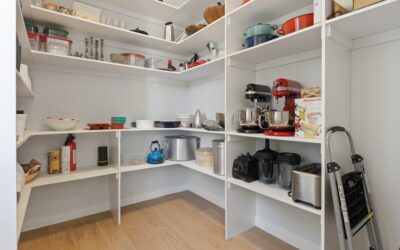
Smart pantry closet shelving is the difference between a chaotic pile of half-empty boxes and an organized, efficient space where you can see and reach everything you own. Whether you are outfitting a small reach-in pantry or a spacious walk-in, the shelving system you choose determines how much you can store, how easily you access it, and how good the space looks. This guide covers the main shelving types, ideal dimensions and spacing, materials, costs, and the design principles that turn wasted space into a functional pantry.
Part of our Kitchen Remodeling guide — explore the full guide →
Most pantries fail because the shelving was an afterthought: too deep, too widely spaced, or fixed in the wrong positions. A little planning around what you actually store prevents those mistakes and doubles your usable capacity.
- Common Pantry Shelving Types
- Ideal Shelf Depth
- Shelf Spacing and Height
- Maximizing a Small Reach-In Pantry
- Designing a Walk-In Pantry
- Materials and Weight Capacity
- Installation and DIY Considerations
- Cost Expectations
- Common Mistakes to Avoid
- Organizing After the Shelves Go Up
- Ventilation, Cleaning, and Upkeep
Common Pantry Shelving Types
- Wire (ventilated) shelving: The most common and affordable, this is the white-coated steel wire shelving found in most homes. It is inexpensive, easy to install, and allows air circulation, but small items can tip on the ridged surface unless you add liners.
- Melamine and laminate shelving: Solid, smooth particleboard shelves with a laminate coating. They provide a flat, stable surface that looks more finished and holds small containers well.
- Solid wood shelving: Plywood or hardwood shelves offer the most attractive, durable, and customizable option, ideal for a walk-in pantry you want to look built-in.
- Adjustable track systems: Metal standards mounted to the wall with brackets that let you reposition shelves as your needs change. Extremely flexible and worth the modest extra cost.
Ideal Shelf Depth
Depth is the most important dimension and the one homeowners most often get wrong. Shelves that are too deep swallow items in the back where you forget them. For canned goods, jars, and boxed pantry staples, 12 to 16 inches deep is ideal, keeping everything within easy sight and reach. Reserve deeper shelves (16 to 24 inches) for the lowest levels where you store bulky appliances, large bags, or cases of water. A good strategy is graduated depth: deeper shelves at the bottom, shallower toward the top so you can see the items above eye level.
Shelf Spacing and Height
Vertical spacing should match what you store. Standard fixed pantry shelves are often spaced 12 to 16 inches apart, but that wastes vertical space if you mostly store short cans. Plan a mix:
- 6 to 8 inches between shelves for cans, jars, and spices.
- 10 to 12 inches for boxed goods and standard groceries.
- 14 to 18 inches for cereal boxes, small appliances, and pitchers.
- 18 inches or more at the bottom for large items and bulk storage.
This is exactly why adjustable systems shine: you can tune each gap to your inventory and change it later. The lowest shelf should sit about 8 to 12 inches off the floor for large items, and the highest usable shelf should stay within reach, around 72 inches, with a step stool for anything higher.
Maximizing a Small Reach-In Pantry
In a shallow reach-in pantry, use the full height of the space, add shelves closer together than builder-grade spacing, and mount over-the-door racks for spices and foil boxes. Pull-out drawers or baskets on the lower shelves bring back-of-shelf items into view. Keep the shelving relatively shallow so you can always see the front row, and use clear bins to corral loose packets so nothing gets lost.
Designing a Walk-In Pantry
A walk-in pantry gives you room for a U-shaped or L-shaped shelving layout. Reserve the deepest wall for appliances and bulk goods, use medium-depth shelves for everyday groceries, and add a countertop landing zone for a coffee station or to set bags while unloading. Consider mixing shelving with a few drawers, a hanging rod for aprons or reusable bags, and even a spot for a step stool. Good lighting, whether a ceiling fixture or motion-activated LED strips, transforms a dark walk-in into a usable space.
Materials and Weight Capacity
Match the shelving strength to the load. Canned goods and bulk items are heavy; a shelf full of cans can weigh 30 to 50 pounds per running foot. Wire shelving must be rated and properly anchored into studs or with wall anchors; sagging usually means it was under-supported. Solid wood and thick melamine handle heavy loads better but still need proper brackets and support spacing, typically a support every 24 to 32 inches to prevent bowing. Never rely on drywall anchors alone for heavy shelves; hit the studs.
Installation and DIY Considerations
Installing pantry shelving is a very achievable DIY project. For wire shelving, you mount a back wall clip rail, level it carefully, add support brackets anchored into studs, and clip in the shelf. For adjustable track systems, you screw the vertical standards into studs, level them plumb, and hang the brackets and shelves. The keys to a professional result are finding the studs, getting everything level (a small slope makes round items roll), and spacing supports adequately so nothing sags. A stud finder, level, drill, and the right anchors are the only specialized tools you need.
Cost Expectations
Pantry shelving spans a wide budget range. A basic wire-shelving reach-in pantry can be outfitted for $50 to $150 in materials. A melamine or laminate system runs $150 to $500. Custom solid-wood walk-in shelving, whether DIY plywood or a professional built-in, ranges from $500 to $3,000 or more depending on size and finish. Modular closet-system kits sold at home centers fall in the $200 to $800 range and offer a nice balance of looks and adjustability. Professional installation adds $150 to $600 in labor.
Common Mistakes to Avoid
- Shelves too deep: Items vanish in the back; keep grocery shelves 12 to 16 inches.
- Fixed spacing that wastes vertical space: Choose adjustable systems or plan varied gaps.
- Under-anchoring: Hit studs and space supports properly to prevent sagging and collapse.
- Ignoring the door and floor: Over-door racks and floor bins add serious capacity.
- Skipping lighting: A dark pantry hides its own contents.
Organizing After the Shelves Go Up
Good shelving is only half the battle; how you organize it determines whether the pantry stays functional. Group like items together and give every category a home: baking supplies on one shelf, canned goods on another, snacks within kids’ reach, and bulk items down low. Clear, labeled bins corral loose packets, produce, and small items that would otherwise topple and get lost. Turn cans label-out or use a tiered can organizer so you can read every one at a glance and rotate stock so older items get used first. Store the things you reach for daily at eye level, occasional items up high or down low, and keep heavy items on lower shelves for safety. A lazy Susan on a shelf tames oils, vinegars, and sauces. This zoning discipline is what keeps a well-built pantry from sliding back into chaos a month after installation.
Ventilation, Cleaning, and Upkeep
A pantry needs to stay dry and clean to protect food and shelving alike. Wire shelving has a built-in advantage here because it allows air to circulate, discouraging the musty smell and moisture buildup that can plague enclosed spaces. If you use solid melamine or wood shelves, make sure the pantry has some airflow and consider a small vent or leaving the door cracked in humid climates. Wipe shelves down periodically to catch spills before they harden or attract pests, and use shelf liners on wire shelving to create a stable, wipeable surface and stop small items from tipping. Check occasionally for any sign of sagging or loose anchors, especially on shelves loaded with heavy cans, and re-tighten or add support before a shelf fails. A few minutes of upkeep keeps the system safe, clean, and pleasant to use for years.
Effective pantry closet shelving starts with honest measurement of what you store, then matches depth, spacing, and material to that inventory. Keep grocery shelves shallow and adjustable, anchor everything into studs, use the full height with a step stool for the top, and add bins and lighting. Do that and your pantry will hold more, stay organized, and make every trip for a can of beans quick and painless.