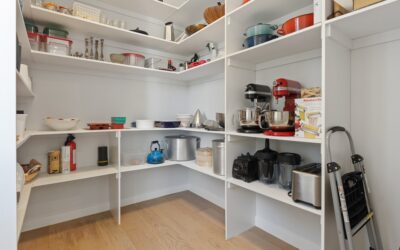
The average pantry wastes about a third of its space. Deep shelves hide cans behind cereal boxes, tall gaps sit empty above short jars, and the floor becomes a landing zone for bulk packs of paper towels. The best pantry storage ideas fix those problems with better geometry, not just more baskets. Whether you have a walk-in room, a reach-in closet, or a single tall cabinet, the right shelf depths, pull-outs, and zones can double what you can see and reach.
Part of our Kitchen Remodeling guide — explore the full guide →
- Start With the Right Pantry Storage Ideas for Your Layout
- Get Shelf Depth and Spacing Right
- Walk-In Pantry Ideas
- Reach-In and Closet Pantry Ideas
- Cabinet Pantry Storage Ideas
- Small Pantry and No-Pantry Solutions
- Designing for Kids and Accessibility
- Containers, Bins, and Labeling
- Lighting, Ventilation, and Doors
- Flooring and Finishes That Hold Up
- Budget-Friendly Pantry Upgrades
- Maintenance Habits That Keep It Organized
Start With the Right Pantry Storage Ideas for Your Layout
Before buying organizers, identify which type of pantry you are working with. Each has different limits.
- Walk-in pantry: Usually 5 x 5 feet or larger, with shelving on two or three walls. Space is plentiful, but corners and deep shelves are easy to waste.
- Reach-in closet pantry: Typically 24-30 inches deep behind a standard or bifold door. Everything must be visible from the doorway.
- Cabinet pantry: A tall 18- to 36-inch-wide cabinet, 24 inches deep, often in the kitchen run. Pull-out systems work best here.
- Converted or open pantry: A nook, hallway wall, or unused closet turned into open shelving.
Measure width, depth, and height, and note where outlets, light switches, and door swings fall. Those details decide which ideas actually fit.
Get Shelf Depth and Spacing Right
Shelf depth is the most overlooked decision. Shelves 12 to 16 inches deep keep cans, jars, and boxes one or two items deep so nothing gets lost. Reserve 18- to 24-inch shelves for the lowest level, where you store small appliances, bulk bags, and bins.
For spacing, plan roughly 10-12 inches between shelves for canned goods and spices, 14-16 inches for cereal and pasta boxes, and 18 inches or more for appliances and paper goods. Adjustable standards and brackets, around $3-$8 per linear foot of track, let you change spacing as your shopping habits change. A U-shaped walk-in with 12-inch upper shelves and 16-inch lower shelves typically gains 25 percent more usable space than one lined with 24-inch shelves everywhere.
Walk-In Pantry Ideas
Wraparound Shelving With Corner Solutions
Wrap shelves in an L or U, but treat the corners deliberately. Lazy Susans 16-18 inches in diameter, corner radius shelves, or leaving the corner open for a broom and step stool all beat a dark, dead corner full of expired goods.
Countertop Work Zone
If the walk-in is at least 6 feet wide, add a 20- to 24-inch-deep countertop at 36 inches high on one wall. Park the stand mixer, coffee station, or air fryer there with an outlet above. It clears clutter from the main kitchen counters.
Floor-to-Ceiling Storage
Run shelves to the ceiling and keep a folding step stool on a hook. Use upper shelves for holiday platters, backstock paper goods, and seldom-used serving pieces.
Reach-In and Closet Pantry Ideas
With a reach-in, visibility is everything. Pull-out wire or wood drawers mounted on full-extension slides turn a deep closet into accessible storage. Kits cost $50-$150 per drawer and install with a drill in under an hour each.
- Door-mounted racks: Over-the-door or screw-mounted wire racks, 4-6 inches deep, handle spices, sauces, and snack packets.
- Tiered can risers: Three-step risers let you read every label at a glance for about $15-$25.
- Swap the door: Replace a swinging door with a pocket or barn door so you can stand in the opening without shuffling around it.
- Stacked baskets: Use open-front bins on the floor level for potatoes and onions, which need airflow.
Cabinet Pantry Storage Ideas
Tall kitchen cabinets benefit from dedicated pull-out hardware. A full-height pull-out pantry frame, 9 to 15 inches wide, slides out like a drawer and exposes shelves from both sides. Hardware kits run $250-$700. For wider cabinets, roll-out trays behind doors provide easy access to the back of every shelf.
Consider a swing-out or “chef’s pantry” unit with door-mounted shelves plus inner hinged panels. They pack a surprising amount into a 24-inch-wide cabinet and suit kitchens that lack space for a walk-in.
Small Pantry and No-Pantry Solutions
Plenty of kitchens have no dedicated pantry at all. That does not mean you have to live with overflowing upper cabinets. A 12-inch-deep shelving unit on a nearby wall, a rolling cart that slides into the 6- to 9-inch gap beside the refrigerator, or a shallow built-in between wall studs can hold a surprising amount. A recessed stud-bay pantry, about 3.5 inches deep, is perfect for spices, cans, and jars stored one deep, and costs little more than the lumber and a door.
Another option is repurposing a coat closet near the kitchen. Remove the hanging rod, add 12-inch shelves on three sides, and install a pocket door. A standard 24 x 48 inch closet becomes a reach-in pantry for a weekend of work and $200-$400 in materials.
Base cabinets can also serve as pantry storage when fitted with deep drawers instead of doors. Drawers 24 inches wide and 10 inches tall hold canned goods, snacks, and boxed pasta with everything visible from above.
Designing for Kids and Accessibility
Put kids’ snacks and lunch supplies in a low bin or drawer between 18 and 36 inches off the floor so they can help themselves without climbing. Heavier items, such as bulk rice, drink cases, and cast iron, belong between knee and shoulder height to protect backs. For wheelchair users or anyone with limited reach, favor pull-out drawers and pull-down shelf mechanisms over tall fixed shelves, and keep the most-used goods within 15 to 48 inches from the floor, the range recommended in accessible design guidelines.
Containers, Bins, and Labeling
Decanting dry goods into clear airtight containers cuts package clutter and keeps pests out. Square or rectangular containers use shelf space about 20 percent more efficiently than round ones. Choose a single brand or system so lids interchange and stacks stay stable.
- Clear bins for snacks, baking supplies, and kids’ lunch items
- Woven or wood baskets for bread, root vegetables, and backstock
- Turntables for oils, vinegars, and condiments
- Label maker or chalkboard labels with contents and purchase dates
Group items by use, not by type. A breakfast zone with cereal, oatmeal, and coffee, a baking zone with flour, sugar, and extracts, and a dinner zone with pasta, grains, and sauces make cooking faster and inventory checks obvious.
Lighting, Ventilation, and Doors
Poor lighting makes even a tidy pantry frustrating. LED strip lights under each shelf, about $20-$60 per run, or a motion-activated ceiling fixture help you read labels in the back. In walk-ins, a door-jamb switch that turns the light on when the door opens is a small luxury that gets used every day.
Pantries holding produce benefit from ventilation. Louvered doors, a vented transom, or a small gap under the door keeps air moving and reduces musty smells. Glass-panel or frosted doors add light and style while hiding clutter.
Flooring and Finishes That Hold Up
Pantry floors see spills, dropped jars, and rolling step stools. Durable, easy-clean surfaces work best. Continuing the kitchen floor into the pantry creates a seamless look and avoids a threshold. Porcelain tile, luxury vinyl plank, and sealed hardwood all perform well. Avoid carpet and unsealed natural stone, which trap crumbs and stain.
For shelving finishes, semi-gloss or satin paint on wood shelves wipes clean and resists scuffs. Melamine shelving is inexpensive and cleans easily, and solid wood or plywood with an edge band holds heavy loads without sagging. Keep unsupported spans under 32 inches for 3/4-inch plywood to avoid bowing under canned goods.
Budget-Friendly Pantry Upgrades
You can dramatically improve a pantry for under $300. Try these approaches:
- Add a second shelf halfway up tall gaps using wire shelf risers ($10-$20 each).
- Install adjustable track shelving on one bare wall for $100-$200.
- Mount a pegboard or rail system on the side wall for aprons, bags, and small tools.
- Replace a bifold with a curtain or pocket door to open up access.
- Add stick-on LED puck lights for $25-$40.
Custom-built pantry systems from closet companies typically run $1,500-$5,000 for a walk-in, and full carpentry builds with cabinetry and countertops can exceed $8,000. Start small, live with the layout for a few weeks, then invest in built-ins once you know what you actually store.
Maintenance Habits That Keep It Organized
Even the best design breaks down without routine. Rotate stock by placing new purchases behind older ones, a restaurant habit called first in, first out. Do a 10-minute sweep once a month to wipe shelves, toss expired items, and restock bins. Keep a running shopping list or magnetic whiteboard inside the door. The pantry storage ideas that last are the ones that make putting groceries away as easy as pulling them out.