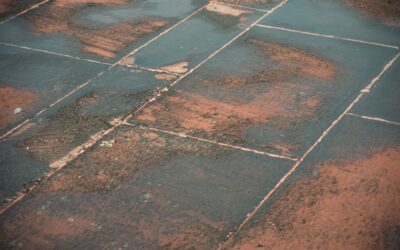
A cracked concrete slab does not need to be ripped out to look good again. The right patio floor covering can transform a tired surface in a weekend, often for less than $5 per square foot. After resurfacing my own 240-square-foot back patio three different ways over a decade, I have a clear sense of which materials hold up to sun, freeze-thaw cycles, and weekly grilling. This guide breaks down four covering categories — outdoor rugs, interlocking deck tiles, pavers laid over slab, and concrete stain — with realistic pricing and install timelines.
Part of our Decks & Outdoor guide — explore the full guide →
Outdoor Rugs: Fast and Affordable
An outdoor rug is the lowest-commitment option and the right call when you rent or are not ready to alter the slab permanently. Polypropylene flatweaves from Ruggable, Loloi, and Safavieh run $80 to $300 for an 8×10 foot size and resist UV fading better than the cheaper PVC alternatives. Look for rugs labeled “for use in covered or uncovered outdoor spaces” — the indoor-outdoor crossover rugs are not built for full sun.
The trick that separates a rug that lasts five years from one that lasts five months is airflow. Lay a non-slip rug pad designed for outdoor use underneath, and lift the rug to dry the slab after every heavy rain. Trapped moisture grows mildew on the underside within weeks, ruining both the rug and the concrete below.
Once your patio flooring is in place, think about how you’ll use the space. A gazebo adds shade and structure, while a good outdoor furniture set turns it into a spot you’ll actually want to hang out in. A deck box is also worth considering if you need somewhere to stash cushions and outdoor gear.
We may earn a commission when you purchase through our links.
Interlocking Deck Tiles
Interlocking deck tiles are the fastest way to cover an ugly slab without demolition. The tiles snap together with hidden plastic clips and can be lifted and rearranged at will. Three substrates dominate the category: ipe and acacia hardwood tiles ($6 to $10 per square foot), composite wood tiles ($4 to $7), and rubber gym-style tiles ($3 to $5).
I installed acacia tiles over a stained 12×20 patio in about four hours, including layout and trimming. The result looked like a custom hardwood deck for roughly $1,400 in materials. Plan on lifting the tiles annually to sweep debris that works between the slats — leaf buildup is the main maintenance task.
- NewTechWood UltraShield — composite, 20-year fade warranty, around $5 per square foot
- Bare Decor EZ-Floor — solid teak or acacia, requires annual oiling
- IKEA Runnen — budget composite, $20 for nine tiles, fine for small balconies
- Greatmats Sport Plus — rubber, ideal for outdoor workout corners
Pavers Laid Over Existing Concrete
Thin overlay pavers are a permanent upgrade that delivers a true masonry look without removing the underlying slab. Brands like Belgard Lafitt and Pavestone Holland Stone make pavers in 1.25-inch profiles specifically designed to bond to concrete with polymer-modified mortar. Material cost is $4 to $8 per square foot; professional installation pushes the all-in to $14 to $22.
The slab must be sound — hairline cracks are fine, but heaved or spalled concrete needs repair before anything bonds reliably. Sweep polymeric sand into the joints once the pavers are set, then mist with water to harden the sand. The result handles freeze-thaw better than a poured stamped overlay because each unit can move independently.
Concrete Stain and Sealer
Acid stains and water-based concrete stains are the cheapest way to dramatically change the look of an existing slab. A 1-gallon container of Behr or H&C stain covers about 200 square feet for $35 to $60, and a 5-gallon pail of acrylic sealer adds another $80. Total material cost lands near $1 per square foot.
Acid stains create variegated, mottled tones that mimic flagstone or weathered leather. Water-based stains produce more uniform color and forgive small mistakes. Either way, the slab needs a thorough degreasing with TSP, a light etch with muriatic acid or a citric-acid alternative, and at least 48 hours of dry weather. Sealer is non-negotiable — unsealed stained concrete fades within a single summer.
Choosing the Right Covering for Your Climate
Climate dictates more than aesthetics. In freeze-thaw zones (USDA 6 and colder), avoid solid wood tiles directly on slab unless you have raised pedestals — water trapped beneath cycles between liquid and ice and lifts the tiles. Composite tiles and pavers handle freeze-thaw well. Stained concrete is fine if the sealer is reapplied every two to three years.
In hot, sunny climates, dark patio floor covering choices reach surface temperatures above 140°F by mid-afternoon. Light-colored pavers and tan-toned stains stay 20 to 30 degrees cooler underfoot. Rugs help, but the rug itself can fade rapidly under direct desert sun.
Drainage Considerations
Any covering you add changes how water moves across the patio. Tiles and rugs that sit flat on the slab can dam water against the house if the original pitch is borderline. Walk the slab during a real rainstorm before installing — note where water pools and where it sheds.
If puddling is severe, address grading first. A 3/4 inch self-leveling overlay can re-pitch a problem slab for $2 to $3 per square foot, and it gives stains and pavers a clean substrate to bond to.
Maintenance Cheat Sheet
Outdoor rugs need a hose-down monthly and full lift-and-dry quarterly. Composite tiles want a sweep weekly and a light scrub with deck cleaner each spring. Pavers benefit from joint sand top-up every two or three years. Stained concrete needs a fresh coat of sealer at three-year intervals in sunny climates, longer in shaded patios.
Final Recommendation
For most homeowners with a sound but ugly concrete slab, interlocking composite deck tiles deliver the best mix of looks, durability, and DIY-friendliness. Step up to overlay pavers if you want a permanent masonry surface, drop down to a quality polypropylene rug for rentals, and reach for concrete stain if budget is the deciding factor. Match the covering to your climate and traffic, and the patio will look intentional rather than improvised.
Prefer to explore on your own?
See how new flooring looks in your actual room in seconds — free, no signup.
Try the free Floor Studio →