A patio without shade often goes unused by midsummer, baking in the afternoon sun until it is too hot to enjoy. The right overhang changes everything, extending your usable outdoor season and turning a neglected slab into a true outdoor room. These patio overhang ideas range from budget-friendly retractable awnings to permanent roof extensions that match your house, so there is an option for every yard, climate, and budget.
Part of our Decks & Outdoor guide — explore the full guide →
Pergolas for Filtered Shade
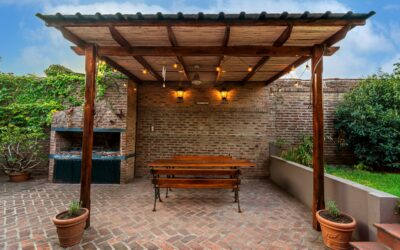
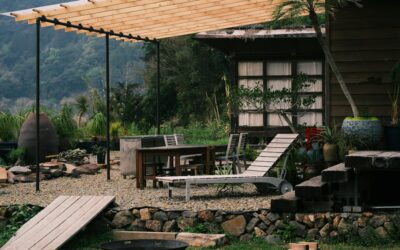
A pergola is the most popular patio overhang for good reason: it defines the space, adds vertical interest, and provides filtered shade through its open rafters. Traditional wood pergolas in cedar or pressure-treated lumber bring warmth and a classic look, while aluminum and vinyl versions resist rot and need almost no maintenance.
For real sun protection, choose a louvered pergola with adjustable slats you can tilt to control light and even close against rain, or train climbing vines like wisteria over an open frame for living shade. A basic kit pergola runs $1,500 to $4,000, while a motorized louvered aluminum model can reach $8,000 to $15,000 installed.
Solid Roof Extensions
For full, year-round protection from sun and rain, a solid roof overhang attached to the house is the most substantial option. A patio cover that extends the home’s existing roofline creates a seamless, integrated look and keeps the area dry in any weather, making it ideal for outdoor kitchens and dining areas you want to use in all seasons.
These attached covers can be finished with matching shingles, metal roofing, or insulated aluminum panels. Because they tie into the house structure and often require a permit, expect $3,000 to $10,000 depending on size and materials. The payoff is a covered space that functions almost like an additional room.
Retractable and Fixed Awnings
Awnings deliver flexible shade at a fraction of the cost of a permanent structure. A retractable awning extends from the house wall at the push of a button and rolls away when you want sun or need to protect it from wind, covering 10 to 20 feet of patio. Motorized models with wind sensors automatically retract in gusts.
Fixed awnings stay in place year-round and provide steady, dependable shade over a door or seating area. Fabric awnings in solution-dyed acrylic resist fading and mildew for years. A quality retractable awning costs $2,000 to $4,500 installed, making it one of the more affordable ways to shade a patio without major construction.
Shade Sails and Canopies
For a modern, budget-conscious look, shade sails offer dramatic style and quick installation. These tensioned fabric triangles or rectangles mount to posts, the house, or existing trees at varying heights, creating a striking geometric canopy. They block 90 percent or more of UV rays while letting breezes through.
A single shade sail kit runs $100 to $400, and you can overlap several at different angles for full coverage and a designer effect. Just note that most sails are not fully waterproof and should be taken down in winter or high winds. They are perfect for a contemporary backyard where you want shade without a heavy structure.
Pergola-Awning Hybrids and Gazebos
If you cannot decide between filtered and full shade, hybrid structures bridge the gap. A pergola fitted with a retractable canopy gives you the architecture of a pergola plus the option of solid shade on demand by sliding the fabric across the top. These combine the best of both approaches.
Freestanding gazebos and hardtop pavilions work well when you want a destination overhang away from the house, perhaps over a hot tub or a far corner of the yard. A hardtop aluminum gazebo with a steel roof runs $1,500 to $5,000 and creates a sturdy, weatherproof retreat that does not need to attach to your home.
Materials, Costs, and Climate
Your climate should steer your material choice. In rainy regions, prioritize a solid, waterproof roof; in hot, dry areas, filtered pergola shade or a shade sail may be plenty. Aluminum resists rust and suits coastal and humid zones, while cedar offers natural beauty but needs sealing every couple of years.
Budget broadly by type: shade sails and awnings sit at the lower end, pergolas in the middle, and attached solid roofs at the top. Factor in whether you will DIY a kit or hire out the work, since labor often doubles the material cost. Always check local permit requirements before building anything attached to the house.
Finishing Your Covered Patio
Once the overhang is up, the right finishing touches make it a space you actually live in. Add outdoor lighting, string lights under a pergola, recessed cans in a solid roof, or solar lanterns on a sail, so the area works after dark. Ceiling fans under a covered roof keep air moving on still summer evenings.
Layer in comfortable weatherproof furniture, an outdoor rug, and a few potted plants to soften the structure. With the shade handled by one of these patio overhang ideas, your patio transforms from a sun-scorched slab into the most popular gathering spot in the house, usable from spring straight through fall.
Permits, Codes, and HOA Rules
Before you build, check the paperwork side of the project. Any overhang attached to your home, and many freestanding structures over a certain size, requires a building permit and must meet local wind and snow-load codes. Skipping the permit can mean fines, forced removal, or trouble at resale when an inspector flags unpermitted work.
If you live in a community with a homeowners association, review the covenants before ordering materials, since many HOAs restrict the height, color, and style of patio covers visible from the street. Submitting plans for approval up front saves you from building something you may be ordered to tear down. A quick call to your local building department clarifies setback requirements and footing depth for posts.
DIY Versus Hiring a Contractor
Many overhangs fall within reach of a capable DIYer, while others demand a pro. Kit pergolas, shade sails, and freestanding gazebos are designed for homeowner assembly over a weekend with basic tools, and going DIY can cut the cost in half by eliminating labor. A retractable awning is borderline, often best left to an installer to ensure secure wall anchoring.
Anything that attaches to your roofline or carries significant snow load, like a solid attached patio cover, is worth hiring out. A contractor handles the structural connection to your house, the permit, and proper flashing to keep water from intruding where the cover meets the wall. Botching that connection invites leaks and rot, so for permanent attached structures, professional installation protects both your patio and your home.