The good outdoor umbrella you saw in spring catalogs is rarely the one waiting in the local store, and the cheap one in the seasonal aisle will be in the trash within two summers. Finding a quality patio umbrella nearby is more about knowing which retailer carries which tier of product than about luck. After replacing umbrellas at three rental properties and helping clients pick the right one for their backyards, here is the practical guide to where to shop locally, what to inspect in person, and which features actually matter.
Part of our Decks & Outdoor guide — explore the full guide →
Where to Find a Patio Umbrella Nearby
Local outdoor shopping splits into four categories. Big-box stores (Home Depot, Lowe’s, Costco, Walmart, Target) carry the largest seasonal selection from March through July. Specialty patio retailers (Patio Heaven, Sunnyland Furniture, Frontgate showrooms in major metros) stock higher-end Treasure Garden, Galtech, and Tuuci umbrellas year-round. Hardware stores (Ace, True Value) carry mid-range options at modest markups. Garden centers and nurseries often have curated selections from boutique brands.
For premium pieces, expect to drive to a metro showroom. Frontgate and Restoration Hardware stock the upper tier in person but often only at flagship locations. For everyday quality at sane prices, Costco rotates a seasonal selection that typically beats other big-box pricing for similar specs.
What to Inspect Before You Buy
Walk around the floor model and check four things. The fabric should feel substantial, not flimsy. 10-ounce solution-dyed acrylic (Sunbrella, Outdura, Para Premium) lasts 10 to 15 years and resists fading. Polyester at 200 to 300 denier lasts 2 to 4 seasons before fading to pastels. Open and close the umbrella twice. The crank or pulley should operate smoothly without binding. The frame should feel solid; aluminum is lighter and rust-proof, fiberglass ribs flex without breaking, wood frames are heavier and more traditional but require maintenance.
Check the wind venting at the top. A vented dual-canopy umbrella allows wind to pass through and reduces uplift dramatically. A single-canopy umbrella catches wind like a sail and will lift, tip, or break in a 30-mph gust. The vent design adds about $30 to $80 to the price and is worth every dollar.
Patio Umbrella Sizes and Use Cases
- 6-foot: small bistro tables for two, balcony use
- 7.5-foot: standard 4-person dining tables
- 9-foot: 6-person tables and small lounge sets
- 10 to 11-foot offset (cantilever): large lounges and gardens
- 13-foot offset: pool deck coverage, dining for 8+
Center Pole vs Offset (Cantilever) Umbrellas
Center-pole umbrellas mount through a hole in a patio table, anchored by the table and a base weight. They are simpler, cheaper ($60 to $400), and best for dining tables where the umbrella shades the people sitting around it. Offset umbrellas have a side pole and the canopy reaches over open seating, which means no pole through the middle of the table. They are more expensive ($300 to $1,500), heavier, and require either a heavy free-standing base or in-ground mounting.
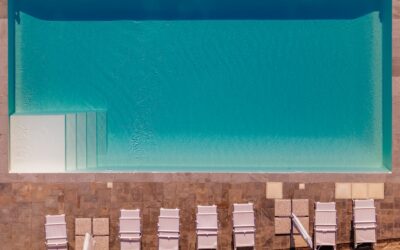
For pool decks, offset umbrellas dominate because they shade the swimmers and lounges without a pole in the way. For dining, center poles are the more practical choice.
Frame Materials and What Lasts
Aluminum frames are the standard for everyday use. They are rust-proof, lightweight, and powder-coated. Look for frames with at least 1.5-inch tube diameter for stability. Fiberglass ribs flex in wind without snapping, an important upgrade in coastal or wind-prone areas. Wood frames (teak, eucalyptus) bring a high-end traditional aesthetic but require oiling and protection from snow. Steel frames are the cheapest and the worst long-term option. They rust within two seasons unless religiously covered.
Base Weight Math You Should Know
The base is what keeps the umbrella from flipping over. Use these minimum weight rules: 50 pounds for a 7-foot umbrella, 70 pounds for a 9-foot umbrella, 90 to 125 pounds for a 10 to 11-foot offset, and 150 pounds or more for a 13-foot. If your patio is windy or open, double these numbers. Sand-fillable bases let you adjust the weight, and concrete bases are the heaviest commonly available. For permanent installations, in-ground sleeves anchor the umbrella into a concrete footing for unmatched stability.
Most homeowners undersize the base, then wonder why their umbrella tipped over the first time a thunderstorm rolled in. Spend the extra $30 to $80 on the right size base.
Color and Canopy Recommendations
Solid neutrals (sand, charcoal, navy, hunter green) age the best. Bright reds, oranges, and yellows fade noticeably within 2 to 3 seasons even in solution-dyed acrylic. Stripes are classic and forgiving. Avoid white if you cook or grill nearby. White shows soot, food splatter, and bird stains within a single season. Sunbrella and similar brands offer 5 to 10-year fade warranties for solid colors.
Common Mistakes Buying Locally
Do not buy the floor model that has been displayed open for months. UV exposure has already started fading the fabric and weakening the rib joints. Skip the bargain umbrellas under $50. The aluminum is too thin, the fabric is polyester, and the pulley breaks within a season. And do not assume you can return a defective umbrella after the season ends. Most retailers stop accepting returns by August or September on seasonal goods.
When Online Beats Local
For higher-end Treasure Garden and Galtech umbrellas, online retailers like PatioLiving, Hayneedle, and authorized brand websites often have wider color and frame combinations than local stores carry. Shipping is included on most $400+ purchases. The trade-off is you cannot inspect the actual unit before buying. For in-stock everyday options, your patio umbrella nearby search at Home Depot, Lowe’s, or Costco usually wins on convenience and same-day pickup.
Final Recommendations
For most US households, the right patio umbrella nearby decision is a 9-foot or 11-foot offset with solution-dyed acrylic canopy, aluminum frame with fiberglass ribs, dual-canopy venting, and a 90+ pound base. Budget $250 to $700 for that combination. Inspect before you buy, mind the base weight, and choose neutral colors. The umbrella will last 10 years, look intentional in photos, and survive every storm short of a hurricane.