Most adhesives quit the moment things get wet. PC 11 epoxy is built for exactly the opposite, a marine-grade, two-part epoxy paste from PC Products that bonds on damp, wet, and even fully submerged surfaces. That’s why boaters, pool owners, and homeowners keep it on the shelf for the jobs that other glues and fillers simply can’t handle. Knowing how to prep, mix, and apply it correctly is the difference between a repair that lasts for years and one that lets go.
Part of our Epoxy, Concrete & Garage Floors guide — explore the full guide →
What PC 11 Epoxy Is
PC-11 is a white, paste-consistency, two-component epoxy made by PC Products. It comes as a resin and a hardener that you mix together in the ratio printed on the package. Once combined and cured, it forms a hard, durable, water-resistant bond that holds on a wide range of materials. Its standout trait is the ability to bond and cure in wet conditions, including underwater, which makes it a go-to for marine and plumbing-adjacent repairs where you can’t get the surface bone dry.
What It Sticks To
One reason PC-11 is so versatile is the breadth of materials it bonds. It’s commonly used on:
- Fiberglass and boat hulls for marine repairs.
- Concrete, stone, and masonry for patching and anchoring.
- Metal, including many ferrous and non-ferrous surfaces.
- Wood, for filling and bonding.
- Glass, ceramic, and many rigid plastics.
As with any epoxy, results depend on the specific material and surface condition. When in doubt, test on a small area, and check the product data sheet for compatibility notes on tricky plastics.
Common Home Uses
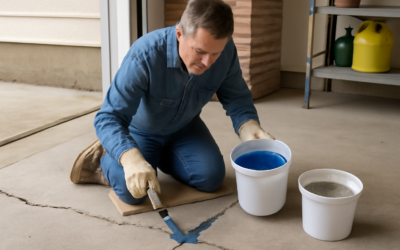
Beyond boats, PC-11 earns its keep around the house, garage, and yard. Its paste consistency means it stays where you put it, including on vertical and overhead surfaces, and it fills gaps rather than running like a thin liquid. Typical jobs include:
- Gap-filling and bonding where you need to bridge a space, not just glue two flush surfaces.
- Pool and pond repairs, taking advantage of its wet- and underwater-bonding ability.
- Sealing and patching around damp basement walls, planters, and fountains.
- Anchoring hardware into concrete or masonry.
- Repairing cracked or broken rigid items that face moisture or weather.
Surface Preparation Is Everything
Even the toughest epoxy fails on a poorly prepped surface. Take prep seriously:
- Clean thoroughly: remove grease, oil, dirt, wax, loose paint, and any contaminants.
- Roughen the surface: scuff smooth or glossy materials with sandpaper or abrasive to give the epoxy mechanical grip.
- Remove loose material: on concrete and masonry, knock off crumbling bits so you bond to sound substrate.
- For underwater repairs: follow the package directions, which typically call for cleaning and roughening the wet surface before applying and pressing the epoxy firmly in place.
The cleaner and rougher the surface, the stronger and longer-lasting the bond.
Mixing and Applying
Mix exactly as the package specifies. Epoxy chemistry depends on the correct ratio of resin to hardener, so follow the printed PC Products instructions rather than eyeballing it; an off-ratio mix may never cure properly. Combine the two parts thoroughly until the color and consistency are uniform, with no streaks. Work the epoxy firmly onto the prepared surface, pressing it into gaps and against the substrate to ensure full contact. Because it’s a paste, you can shape and tool it before it sets.
Mind the working time. Epoxy begins to harden once mixed, so only blend what you can apply within the pot life listed on the package, and don’t try to spread it once it starts to stiffen.
Curing Times and Conditions
Cure time varies with temperature and conditions, and the package data sheet gives the authoritative numbers for your batch. As a general rule, epoxies cure faster in warmth and slower in cold, and there’s typically an initial set followed by a longer full-strength cure measured in hours to a day or more. Don’t load or stress the repair until it has reached the cure time the manufacturer specifies. For underwater and submerged applications, follow the special instructions on the label, since cure behavior in water differs. When in doubt, give it extra time rather than less.
Safety: Ventilation and Protection
Two-part epoxies call for sensible precautions. Work in a well-ventilated area, and wear nitrile gloves to keep the resin and hardener off your skin, since both can cause irritation and sensitization with repeated contact. Eye protection is smart, especially overhead, and avoid breathing fumes during mixing. Keep the product off finished surfaces you care about, as cured epoxy is very hard to remove. Always read and follow the safety data sheet and warnings on the PC-11 packaging.
Tips for Best Results
- Mix small batches so you’re not racing the pot life.
- Clamp or hold parts in position until the epoxy sets if they might shift.
- For underwater work, press firmly and hold to keep water from working in before it grips.
- Store the unused components sealed, in a cool, dry place, per the label.
PC-11 vs. Other PC Products and Epoxies
PC Products makes a small family of epoxies, and choosing the right one matters. PC-11 is the white, paste-consistency, marine-grade formula known for wet and underwater bonding and gap-filling, which makes it the go-to for damp and submerged repairs. Other epoxies in the lineup and on the market target different needs, faster set times, clear finishes, or moldable putty sticks for shaping. The general rule is to match the product to the conditions: if your repair involves moisture, water contact, or filling a gap, PC-11’s wet-bonding paste is purpose-built for it. For a bone-dry, tight-fitting bond, a faster or clearer epoxy might serve better. Always read the product description so you’re using the formula designed for your job.
Troubleshooting and Avoiding Failures
When an epoxy repair fails, the cause is almost always one of a few things. Poor surface prep tops the list, an oily, dirty, or glass-smooth surface won’t hold. An incorrect mix ratio is next; too much or too little hardener prevents proper curing, so measure as the package directs. Rushing the cure and stressing the bond before it reaches full strength causes early failures, so respect the data sheet’s cure times. Cold temperatures slow and weaken curing, while applying past the pot life leaves you with a weak, half-set mess. Get the prep, ratio, and cure right, and the bond does what it’s supposed to.
Final Thoughts
For wet, submerged, and gap-filling repairs that defeat ordinary glues, PC 11 epoxy is a dependable, marine-grade workhorse. The recipe for success is simple: prep the surface meticulously, mix the two parts at the exact ratio on the package, apply it firmly, and let it cure for the time the data sheet specifies. Respect those steps, wear your gloves, work with good ventilation, and PC-11 will deliver a strong, water-resistant bond on the jobs nothing else can touch.