Imagine a floor that looks like the smooth bed of a mountain stream but wears like industrial concrete. That’s the appeal of a pebble epoxy floor — a surface made by binding thousands of natural river stones together with clear epoxy resin. These floors have jumped from high-end patios to garages, pool decks, basements, and even shower floors because they combine natural beauty with serious durability. But the pebble texture that makes them gorgeous also brings quirks around cleaning and comfort. This guide covers exactly how they’re made, what they cost, where they excel, and the drawbacks worth knowing before you commit.
Part of our Epoxy, Concrete & Garage Floors guide — explore the full guide →
- What Is a Pebble Epoxy Floor?
- The Pros of Pebble Epoxy Flooring
- The Cons and Limitations
- How Much Does a Pebble Epoxy Floor Cost?
- Where Pebble Epoxy Floors Work Best
- Installation and Maintenance Basics
- Smooth-Top vs. Exposed-Pebble: Which to Choose
- DIY or Hire a Pro?
- Is a Pebble Epoxy Floor Right for You?
What Is a Pebble Epoxy Floor?
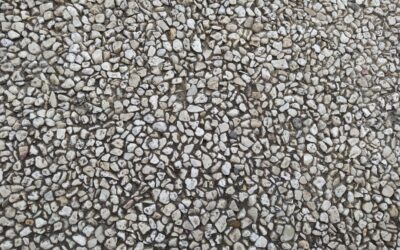
A pebble epoxy floor is a decorative flooring system built from small, rounded natural stones — usually river rock or crushed marble aggregate — mixed with a clear two-part epoxy resin and troweled over a prepared surface. As the epoxy cures, it locks the pebbles in place while leaving their natural color and shape visible. The result is a textured, three-dimensional surface that looks like a carpet of polished stones frozen in glass.
These systems come in two main styles. A fully sealed “smooth-top” version adds extra flood coats of epoxy over the stones to create a level, glass-like surface. A more textured “exposed pebble” version leaves the tops of the stones proud for grip and a natural feel underfoot. The style you choose dramatically changes how the floor performs.
The Pros of Pebble Epoxy Flooring
There’s a reason these floors keep gaining fans. The benefits are substantial:
- Natural beauty: No two floors are identical. The stones come in earthy blends of tan, brown, gray, black, and cream that suit almost any setting.
- Excellent durability: Once cured, epoxy is extremely hard and resists cracking, impact, and abrasion. A well-installed floor lasts 15 to 25 years.
- Slip resistance: The textured versions provide superb grip when wet, which is why they’re popular on pool decks and outdoor patios.
- Seamless and waterproof: When fully sealed, the surface has no grout lines and repels water, making it sanitary and easy to hose down.
- Permeable options: Some outdoor systems are designed to let water drain through the pebbles, eliminating puddles on patios and walkways.
- UV and weather tolerance: Exterior-grade formulas hold up to sun and freeze-thaw when installed correctly.
The Cons and Limitations
No floor is flawless, and pebble epoxy has a few honest drawbacks. The exposed-texture versions can be hard to clean — dirt, leaves, and pet hair lodge between the stones, and you’ll need a stiff brush or pressure washer rather than a quick mop. Barefoot comfort is another consideration; a textured pebble floor can feel rough or even sharp underfoot, which matters in a bathroom or bedroom.
Cost is higher than a plain epoxy coating because of the materials and skilled labor. The installation is also unforgiving — troweling stones evenly and getting the resin ratios right is genuinely difficult, and a poor job can leave loose stones, cloudy resin, or an uneven surface. Finally, outdoor pebble floors can yellow over time if a non-UV-stable resin is used, so product selection matters.
How Much Does a Pebble Epoxy Floor Cost?
Pricing depends on the stone type, whether it’s a smooth or exposed finish, and your region. As a general range, expect the following installed:
- DIY kit materials: Roughly $2 to $5 per square foot for the stones and resin if you do the labor yourself.
- Professional installation: Typically $6 to $15 per square foot, depending on complexity and finish.
- Premium marble aggregate or intricate patterns: Can climb to $18 to $25 per square foot.
A 400-square-foot patio installed professionally often lands between $2,400 and $6,000. While that’s more than a basic epoxy coat, the lifespan and curb appeal justify it for many homeowners.
Where Pebble Epoxy Floors Work Best
These floors are versatile, but they truly shine in certain spots.
Pool Decks and Patios
The textured, slip-resistant, water-permeable versions are practically made for pool surrounds. They stay cooler than dark concrete, drain well, and give barefoot swimmers grip.
Garages and Basements
A smooth-sealed pebble floor turns a garage or basement into a showpiece that still handles car tires, dropped tools, and moisture. The sealed top makes cleanup easy in these hardworking spaces.
Entryways and Walkways
Front porches, walkways, and mudrooms benefit from the durability and the way the natural stone hides dirt between cleanings.
Showers and Wet Rooms
Small-pebble epoxy makes a striking, spa-like shower floor with built-in slip resistance — just accept the slightly textured feel underfoot as part of the look.
Installation and Maintenance Basics
Proper prep is everything. The substrate must be clean, sound, and moisture-tested; epoxy will not bond to a damp or dusty slab. Stones are mixed with resin in precise ratios, spread and troweled to an even thickness, and left to cure — usually 24 to 72 hours before foot traffic. Temperature and humidity during curing are critical, which is why professional installation is often worth it for anything larger than a small entryway.
Maintenance is straightforward once you know the surface. Sweep or blow off debris regularly, especially on textured exterior floors where leaves collect. Rinse with water and mild detergent, and use a stiff brush or low-pressure washer for stubborn grime. Reseal the surface every few years with a compatible topcoat to keep the resin clear, protect against UV, and maintain the waterproof barrier.
Smooth-Top vs. Exposed-Pebble: Which to Choose
This single decision affects everything about how the floor looks, feels, and cleans, so it’s worth weighing carefully. A smooth-top finish, built by flooding extra clear epoxy over the stones until the surface is level and glass-like, is the better pick for indoor living spaces, garages, and anywhere you want easy mopping and comfortable barefoot use. It’s sanitary, waterproof, and simple to sweep. The trade-off is that a smooth glossy surface can be slippery when wet unless you add an anti-slip additive to the topcoat.
An exposed-pebble finish leaves the tops of the stones proud for maximum grip and a natural, riverbed texture. It’s the right call for pool decks, patios, walkways, and outdoor areas where slip resistance and drainage matter most. The downside is cleaning: debris lodges between the stones, so you’ll need a stiff brush or pressure washer rather than a quick mop, and the texture feels rough underfoot. Many homeowners split the difference — exposed pebble outdoors, smooth-top indoors — to get the best of both.
DIY or Hire a Pro?
Small entryways and a single step landing are within reach for a careful DIYer, and pebble epoxy kits are sold for exactly that. But anything larger, and especially anything outdoors that must drain and resist UV, is genuinely hard to get right. Troweling stones to a consistent thickness, mixing resin at exact ratios, and beating the epoxy’s working time all take practice, and mistakes cure permanently into the floor. For a pool deck, patio, or full garage, the cost of professional installation buys you a warranty and a flawless surface that a first-timer rarely achieves on the first try.
Is a Pebble Epoxy Floor Right for You?
Choose a pebble epoxy floor if you want a distinctive, natural-looking surface that stands up to weather, water, and heavy use — and you value slip resistance and longevity over the softness of tile or the simplicity of a plain coating. Reconsider if you want an easy barefoot surface indoors, need effortless mopping, or have a very tight budget. It also pays to think about the long game: a pebble floor is essentially permanent once installed, since removing cured epoxy from concrete is difficult and messy, so it’s a commitment rather than a quick style you’ll swap out in a few years. If you love the natural stone look and plan to stay put, that permanence is a feature, not a drawback. For the right space, especially outdoors around a pool or a garage floor you want to show off, a well-installed pebble epoxy floor delivers a rare combination of beauty and toughness that pays back its cost for two decades or more.