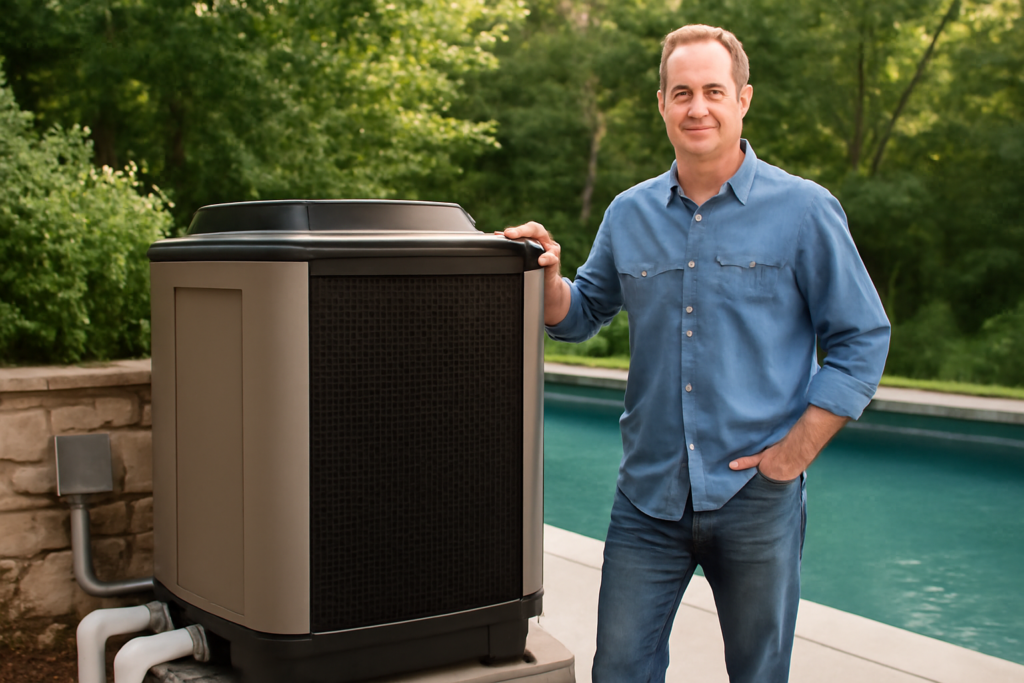
Heating a pool with gas can cost hundreds of dollars a month during swim season, which is exactly why so many pool owners switch to an electric heat pump. The Pentair UltraTemp heat pump is one of the most respected units on the market, using ambient air to warm your water at a fraction of the running cost of a gas heater. If you want a longer, more comfortable swim season without a brutal utility bill, the Pentair UltraTemp heat pump deserves a place on your shortlist.
This guide covers how the UltraTemp works, the model and BTU options, efficiency ratings, installation requirements, real-world costs, and the maintenance that keeps it running for years.
- How a Pool Heat Pump Works
- UltraTemp Models and BTU Ratings
- Efficiency and the COP Rating
- Key Features of the UltraTemp
- Installation Requirements
- What It Costs to Buy and Run
- Maintenance for a Long Service Life
- UltraTemp vs Gas and Solar Heating
- Best Climates and Seasonal Use
- Sizing the Unit to Your Pool
- Is the UltraTemp Right for Your Pool
How a Pool Heat Pump Works
A heat pump does not burn fuel to make heat. Instead, it pulls warmth out of the surrounding air and transfers it into your pool water using a refrigerant cycle, much like an air conditioner running in reverse. A fan draws air across an evaporator coil, the refrigerant absorbs that heat, a compressor concentrates it, and a titanium heat exchanger passes it to the water flowing through the unit.
Because it moves existing heat rather than generating it, a heat pump delivers several units of heat energy for every unit of electricity it consumes. That is why running costs run so much lower than gas, and why the UltraTemp has become a go-to choice in warm and moderate climates.
UltraTemp Models and BTU Ratings
Pentair offers the UltraTemp in several capacities so you can match output to your pool size and climate. BTU rating is the key spec, since it determines how quickly the unit heats and how large a body of water it can handle.
- UltraTemp 70 — roughly 70,000 to 78,000 BTU. Suited to smaller pools and spas.
- UltraTemp 90 — roughly 90,000 to 108,000 BTU. A common choice for mid-size residential pools.
- UltraTemp 110 — roughly 110,000 to 127,000 BTU. Heats larger pools or shortens heat-up time on mid-size ones.
- UltraTemp 120/140 — the largest outputs for big pools or cooler climates where faster recovery matters.
As a rough rule, larger BTU output heats water faster and copes better with cool nights and wind. Oversizing slightly is usually smarter than undersizing, since a larger unit reaches your target temperature sooner and cycles less.
Efficiency and the COP Rating
Heat pump efficiency is measured by Coefficient of Performance, or COP. A COP of 6.0 means the unit produces six units of heat for every one unit of electricity it draws. The Pentair UltraTemp posts a COP as high as 6.0 to 7.0 under ideal conditions, which is excellent and reflects Pentair’s oversized evaporator and efficient compressor design.
Real-world COP drops as the outside air cools, since there is less ambient heat to harvest. That is why heat pumps shine in warm climates and shoulder seasons but slow down when air temperatures fall below roughly 50°F. In milder regions, the UltraTemp keeps a pool comfortable from spring through fall at running costs gas heaters cannot touch.
Key Features of the UltraTemp
Beyond raw efficiency, the UltraTemp includes design choices that improve durability and everyday use:
- Titanium heat exchanger. Resists corrosion from pool chemistry far better than the copper or cupronickel found in cheaper units, extending service life.
- Wrap-around evaporator coil. The oversized coil captures more ambient heat, boosting efficiency.
- Automatic defrost. Prevents ice buildup on the coil during cool operation.
- Digital control board. A clear LCD lets you set target temperature and integrates with Pentair automation systems like IntelliCenter.
The automation compatibility is a real advantage if you already run Pentair pumps and lights, since you can control heating from the same app.
Installation Requirements
Installing an UltraTemp is a job for a licensed pool professional and often an electrician. The unit needs a dedicated electrical circuit, typically 40 to 50 amps at 240 volts depending on the model, so most homes require a new breaker and wiring run from the panel.
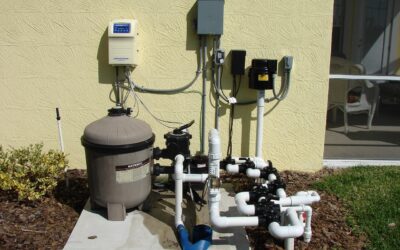
Placement matters too. The heat pump needs open airflow on all sides, usually at least 24 inches of clearance and nothing blocking the fan discharge on top. It sits on a level concrete or composite pad and plumbs into your circulation system after the filter and before any chlorinator. Plan for a full-day installation and permit fees where required.
What It Costs to Buy and Run
The UltraTemp itself runs roughly $3,500 to $6,000 depending on BTU size, with installation adding $500 to $1,500 for plumbing and electrical work. That is a higher upfront cost than a gas heater, but the operating savings recover the difference over a few seasons.
To run, expect the heat pump to use electricity in the range of a few dollars per day of heating in moderate weather, compared with $10 to $20 a day for a gas heater on the same pool. A solar cover dramatically improves the math by trapping heat overnight, cutting the pump’s workload and shortening daily runtime.
Maintenance for a Long Service Life
Heat pumps are low-maintenance compared with gas heaters, but a little care goes a long way. Keep the evaporator coil clear of leaves, grass clippings, and debris that restrict airflow, and hose it gently a couple of times a season. Maintain proper water chemistry, since unbalanced water still shortens the life of any component it touches.
Check the condensate drain stays clear, keep vegetation trimmed back from the fan, and have a technician inspect the refrigerant charge and electrical connections annually. With titanium construction and basic upkeep, an UltraTemp commonly lasts 10 to 15 years, longer than most gas heaters.
UltraTemp vs Gas and Solar Heating
Choosing a pool heater comes down to how fast you need heat, what you want to spend to run it, and your climate. A gas heater like a Pentair MasterTemp heats water fastest, raising temperature regardless of outside air, but it burns through propane or natural gas at $10 to $20 a day of heavy use. The UltraTemp heat pump costs more upfront and heats more slowly, but its running cost is a fraction of gas because it moves heat rather than making it.
Solar heating is the cheapest to run since sunlight is free, but it only works when the sun is out and needs significant roof or ground space for the collectors. Many owners in warm climates pair a solar system with an UltraTemp so the heat pump fills in on cloudy days and cool nights. For steady, affordable heating across a long season, the UltraTemp hits the best balance for most residential pools.
Best Climates and Seasonal Use
Heat pumps depend on ambient air temperature, so they shine in warm and moderate regions and during the spring-through-fall shoulder seasons everywhere else. In Florida, the Gulf states, Southern California, and the desert Southwest, an UltraTemp keeps a pool comfortable for much of the year at low cost. In cooler northern climates, it extends the swim season on both ends but slows dramatically once nighttime air drops below the low 50s Fahrenheit.
To get the most from any climate, run the heat pump during the warmer daytime hours when it works most efficiently, and pair it with a solar cover to hold heat overnight. A cover can cut heat loss by more than half, letting the unit maintain temperature with far less runtime and dramatically lowering your electric bill.
Sizing the Unit to Your Pool
Proper sizing determines both comfort and efficiency. Undersize the heat pump and it runs constantly without reaching your target temperature on cool days. A rough starting point is to match BTU output to pool surface area and your desired temperature rise, factoring in wind exposure and whether you use a cover.
As a general guide:
- Small pools and spas under 15,000 gallons pair well with the UltraTemp 70.
- Average residential pools of 15,000 to 25,000 gallons suit the UltraTemp 90 or 110.
- Large pools over 25,000 gallons, exposed windy sites, or owners who want fast recovery should step up to the 120 or 140.
A pool professional can run the numbers precisely, but erring slightly larger gives faster heat-up and less strain on the compressor.
Is the UltraTemp Right for Your Pool
Choose a Pentair UltraTemp heat pump if you live in a warm or moderate climate, want the lowest possible heating costs, and plan to keep your pool for years. The efficiency, titanium heat exchanger, and automation compatibility make it one of the best long-term values in pool heating.
If you need to heat a pool quickly in freezing weather or you only swim a few weekends a year, a gas heater’s instant high output may suit you better. For the majority of pool owners extending their season, though, the UltraTemp pays for itself in lower bills while keeping the water comfortable from spring through fall.