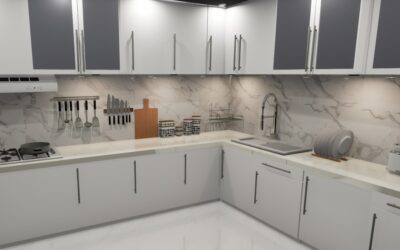
Scrolling through pictures of kitchens with white cabinets is the easiest way to fall in love with a look, but translating those glossy magazine shots into a real remodel takes more planning than most homeowners expect. After building and refacing kitchens for two decades, I can tell you that the photos you save today become the checklist you fight over at the cabinet showroom next month. White cabinetry stays perennially popular because it reflects light, makes small rooms feel larger, and adapts to nearly any style, but the difference between a kitchen that looks crisp and one that looks cold comes down to details the camera rarely explains.
Part of our Kitchen Remodeling guide — explore the full guide →
Why White Cabinets Never Go Out of Style
Realtors and appraisers consistently list white kitchens among the safest resale choices, and there is good reason for that. White is a neutral canvas, so a buyer who hates your bold green island can still picture their own life in a white-cabinet kitchen. On a practical level, white paint and thermofoil hide fewer flaws than dark finishes, which forces cabinet shops to do cleaner work, and the color pairs with granite, quartz, marble, butcher block, and laminate without clashing.
There is also a light-science reason white endures. A typical kitchen only gets one or two windows, and white cabinet faces bounce daylight and fixture light back into the room instead of absorbing it the way espresso or charcoal cabinets do. In a galley kitchen measuring 8 by 12 feet, switching from dark to white cabinetry can make the space read a full size larger without moving a single wall. When you browse inspiration photos, pay attention to how much natural light the room has, because a sun-drenched loft and a north-facing bungalow will render the same paint color very differently.
Warm White vs. Cool White: Reading the Undertones
Not all white is the same white, and this is where most homeowners go wrong. Paint and finish manufacturers build undertones into every white, ranging from creamy yellow to crisp blue-gray. A warm white like Benjamin Moore White Dove or Sherwin-Williams Alabaster leans soft and inviting, which flatters oak floors and brass hardware. A cool, bright white such as Sherwin-Williams Extra White or Pure White reads modern and clean, pairing beautifully with stainless steel and gray-veined quartz.
When you study pictures you admire, try to identify whether the cabinets skew warm or cool, then match every other surface to that temperature. Mixing a cool blue-white cabinet with a warm cream backsplash creates a subtle dirty look that people sense but cannot name. Order actual sample doors and tape paint chips to your wall for at least three days, viewing them in morning light, afternoon light, and under your evening bulbs, because a 2700K warm LED and a 4000K cool LED will shift the perceived color dramatically.
Countertops That Make White Cabinets Pop
The countertop is the single biggest style decision you make alongside white cabinets, and it typically runs 40 to 100 dollars per square foot installed depending on material. White quartz with subtle gray veining, such as the widely copied Calacatta look, gives you a bright, seamless finish that resists staining and never needs sealing. If you want contrast, a honed black granite or a soapstone counter frames white doors with a crisp edge that photographs beautifully and hides crumbs between wipe-downs.
Butcher block deserves a mention for anyone chasing the warm farmhouse photos flooding design sites. A maple or walnut top adds instant warmth and costs less upfront than stone, roughly 30 to 60 dollars per square foot, though it demands oiling every few months and will scorch under a hot pan. Whatever you choose, remember that in most inspiration pictures the counters are freshly styled with a bowl of lemons and nothing else. Real counters hold coffee makers and mail, so pick a surface that forgives daily life.
Backsplash and Wall Color Combinations
Backsplash tile is where you inject personality without committing to a permanent color scheme, and it is the detail that makes saved pictures look custom. Classic 3-by-6-inch subway tile in glossy white with light gray grout remains the most requested look because it is affordable at around 8 to 15 dollars per square foot installed and endlessly flexible. For homeowners who want their kitchen to feel less builder-grade, a zellige-style handmade tile, a vertical stacked layout, or a blue-and-white patterned cement tile turns white cabinets into a backdrop rather than the whole story.
Wall paint matters more than people think in a white kitchen. If your cabinets are bright white and your walls are also stark white, the room can feel clinical, like a laboratory. A soft greige, pale sage, or warm gray on the walls gives the eye somewhere to rest and lets the cabinets read as intentional rather than accidental. Look closely at photos you love and you will almost always find a wall color that is a half-shade off the cabinet color, creating gentle depth.
Flooring Choices Under White Cabinets
Flooring anchors the entire scheme, and this is my area of specialty, so I push clients to spend their attention here. White cabinets float best above a floor with visible warmth and grain, which is why wide-plank white oak and warm-toned luxury vinyl plank dominate the most-saved kitchen pictures. A medium-brown LVP that convincingly mimics oak runs about 3 to 7 dollars per square foot for the material and stands up to spills, dropped cans, and dog nails far better than real wood.
If you prefer tile, a large-format porcelain in a soft taupe or a wood-look plank tile bridges durability and style, though remember that tile underfoot feels cold and hard during long cooking sessions. For a true farmhouse feeling, natural hickory or oak hardwood in a satin finish pairs with white cabinets in a way that ages gracefully over decades. Avoid pure gray flooring paired with cool white cabinets unless you deliberately want a stark, monochrome, modern statement, because that combination can drift toward sterile.
Hardware, Lighting, and the Finishing Details
Hardware is the jewelry of the kitchen, and swapping knobs and pulls is the cheapest way to date or modernize white cabinets. Matte black hardware creates high contrast and reads current, brushed brass or champagne bronze warms the room and leans transitional, and polished nickel keeps things classic and soft. Budget 4 to 12 dollars per piece for decent solid-metal hardware, and buy one of each finish to hold against your sample door before committing to 30 or more pulls.
Lighting quietly makes or breaks every picture you have pinned. Under-cabinet LED strips eliminate the shadows that white uppers cast on the counter, and a pair of pendant lights over an island gives the eye a focal point. Choose bulbs in the 2700K to 3000K range for a warm, flattering glow that keeps white cabinets from looking blue on camera and in person. When you finally style your own kitchen for photos, clear the counters, add one wood cutting board and a small plant, and you will discover your space rivals the inspiration shots that started the whole project.
Turning Inspiration Into a Real Plan
Collect eight to twelve pictures that share a consistent temperature and vibe rather than fifty that pull in every direction, because a tight reference set keeps your decisions coherent from cabinets to floor. Bring those images to your cabinet dealer, your countertop fabricator, and your flooring supplier, and ask each to match the specific undertones you have identified. A white-cabinet kitchen done with intention looks expensive whether you spent 8,000 dollars or 80,000, and the homeowners who succeed are simply the ones who studied their favorite photos closely enough to copy the details, not just the color.