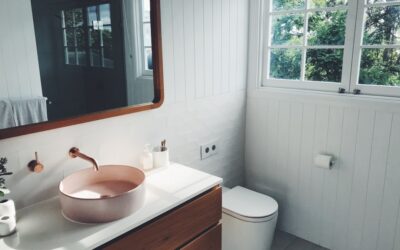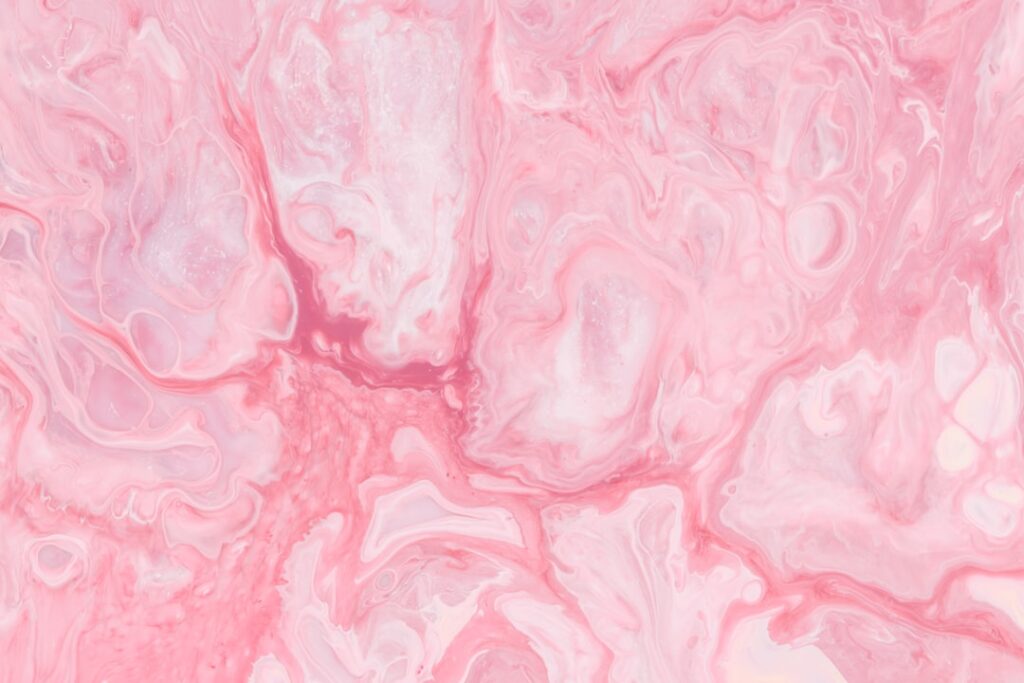
Pink marble tile has quietly become one of the most requested materials in modern bathroom and kitchen design, and it’s easy to see why. The soft blush tones read as warm and luxurious without the coldness of gray stone, and a well-lit powder room clad in pink marble looks like something out of a boutique hotel. But marble is a natural stone with real quirks, and buying it on looks alone leads to disappointment when the maintenance reality sets in. Understanding what you’re getting is the key to loving it long-term.
Part of our Countertops guide — explore the full guide →
This guide walks through the popular pink marble varieties, the rooms where the material makes sense, how it actually holds up to daily life, and the sealing and care routine that keeps it beautiful. Marble rewards homeowners who know how to treat it and frustrates those who expect it to behave like porcelain.
Popular Pink Marble Varieties
Not all pink marble is the same, and the name on the box tells you a lot about the look. Rosa Portugal and Rosa Aurora are classic soft pink marbles from Portugal with gentle veining and a consistent, elegant tone that works beautifully in traditional and transitional spaces. Norwegian Rose brings a more dramatic, mottled pattern with deeper rose and gray movement for a bolder statement.
On the more affordable and dramatic end, you’ll find pink onyx and pink-toned quartzite lookalikes, plus manufactured porcelain tiles printed to mimic pink marble. Those porcelain versions deserve serious consideration because they capture the look while sidestepping most of the maintenance headaches. If you love the aesthetic but dread the upkeep, a high-quality pink marble-look porcelain gives you 90 percent of the appearance with a fraction of the fuss.
Where Pink Marble Tile Works Best
Marble is happiest in lower-traffic, lower-abuse settings, which makes it ideal for bathrooms, powder rooms, shower walls, backsplashes, and accent features. A pink marble powder room is a design showstopper precisely because that room sees light use and no cooking splatter. Shower walls and vanity backsplashes are also excellent applications where the stone stays vertical and out of harm’s way.
Kitchen counters and busy kitchen floors are where you should think hard before committing. Pink marble on a kitchen counter will etch from lemon juice, vinegar, and wine, and it will show wear in ways some homeowners find charming and others find maddening. If your heart is set on marble in the kitchen, honeydew whether you can embrace a patina, or use marble-look porcelain there and save the real stone for the powder room. Floors in low-traffic areas can work, but polished marble gets slippery when wet, so a honed finish is safer underfoot.
Durability and Realistic Expectations
Here’s the honest truth about marble: it’s softer and more reactive than most people expect. Marble is calcium carbonate, which means acids etch it, leaving dull spots wherever an acidic liquid sits. This etching is separate from staining and happens even on sealed stone, because sealer resists staining but doesn’t stop the chemical reaction that causes etching. Anything acidic, from orange juice to certain cleaners, can leave a mark.
Marble also scratches more easily than porcelain or quartz and can chip at edges under a hard impact. None of this means marble is a bad choice; it means marble is a material with character that ages rather than staying frozen. Many homeowners genuinely love the lived-in patina that develops over years. The people who regret marble are the ones who expected it to stay pristine forever. Go in clear-eyed, and you’ll be happy.
Sealing and Protecting the Stone
Sealing is non-negotiable with real pink marble. A penetrating stone sealer soaks into the pores and dramatically slows staining, buying you time to wipe up spills before they soak in. Apply sealer when the tile is first installed, and reseal on a schedule that depends on use, typically every six to twelve months in a bathroom and more often on any counter.
Test whether resealing is due by dripping water on the surface. If it beads up, the seal is intact; if it soaks in and darkens the stone, it’s time to reseal. Remember that sealer prevents stains but not etching, so protection also means habits: use trivets and coasters, wipe spills immediately, and keep acidic products away from the surface. On a shower wall, a good sealer plus a quick squeegee after showers goes a long way toward preventing soap scum and water spotting.
Cleaning and Everyday Care
The golden rule of cleaning marble is to avoid anything acidic. No vinegar, no lemon, no generic bathroom sprays loaded with acids, all of which etch the surface. Instead, use a pH-neutral stone cleaner or simply warm water with a drop of mild dish soap and a soft cloth. Wipe up spills as they happen rather than letting them sit.
For everyday maintenance, dust or dry-mop marble floors to keep grit from scratching the polish, and blot spills on counters and vanities right away. If etching or dull spots do appear, a marble polishing powder can often restore the shine to a small area without a full refinish. Treated with a little respect, pink marble tile delivers a warm, elegant look that few other materials can match, and it becomes one of the features guests always comment on.
Design Pairings and Finishes That Flatter Pink Marble
Pink marble has a warmth that plays beautifully against certain materials, and choosing its companions well is what elevates a room from pretty to polished. Warm metals like brass, gold, and champagne bronze in your faucets, hardware, and light fixtures echo the stone’s rosy undertones and feel intentional. Crisp white fixtures and cabinetry let the marble be the star, while soft greens, deep navy, and charcoal accents provide a sophisticated contrast that keeps the pink from reading too sweet. Natural wood vanities are another strong pairing, grounding the delicacy of the marble with organic texture.
Finish choice also shapes the mood and the practicality. A polished finish maximizes the stone’s depth and shine and suits a formal powder room, but it shows etching and water spots more readily and is slippery on floors. A honed, matte finish reads softer and more contemporary, hides etching far better, and provides much-needed grip on any floor application, which is why many designers now specify honed marble for anything horizontal. Tumbled and brushed finishes lean rustic and forgiving. Decide the finish based on both the look you want and how forgiving you need the surface to be, and your pink marble tile will feel like a deliberate design choice rather than a maintenance gamble.
Prefer to explore on your own?
See how new flooring looks in your actual room in seconds — free, no signup.
Try the free Floor Studio →