Spend a weekend rolling epoxy onto your garage floor, then watch it peel up with your tire treads the first hot summer, and you’ll understand why this comparison matters. The polyurea vs epoxy garage floor debate comes down to two very different chemistries competing for the same job, and choosing wrong means either overpaying for capability you don’t need or under-buying a coating that fails early. Both create a hard, attractive, easy-to-clean surface over bare concrete, but they differ sharply in durability, flexibility, cure time, and price. Here’s how to decide which belongs in your garage.
Part of our Epoxy, Concrete & Garage Floors guide — explore the full guide →
- What Each Coating Actually Is
- Durability and Abrasion Resistance
- The Hot Tire Pickup Problem
- UV Resistance and Yellowing
- Cure Time and Installation
- Cost Comparison
- DIY Friendliness
- Chemical and Stain Resistance
- Lifespan and Long-Term Value
- Surface Prep: The Shared Requirement
- Which Should You Choose?
What Each Coating Actually Is
Understanding the chemistry explains almost every performance difference. Epoxy is a thermoset made by mixing a resin with a hardener, which react to form a rigid, thick plastic layer bonded to the concrete. It’s been the go-to garage coating for decades and is what most DIY kits contain.
Polyurea is a different animal, a fast-reacting elastomer related to polyurethane. It cures into a coating that’s both extremely hard and slightly flexible, and it’s the material behind most professional one-day garage floor systems, usually applied as a base coat with a polyaspartic topcoat. That flexibility and speed are its defining advantages over rigid epoxy.
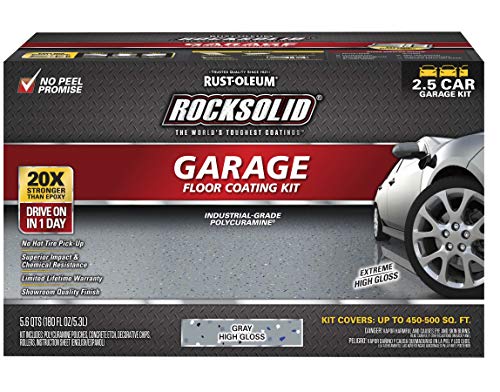
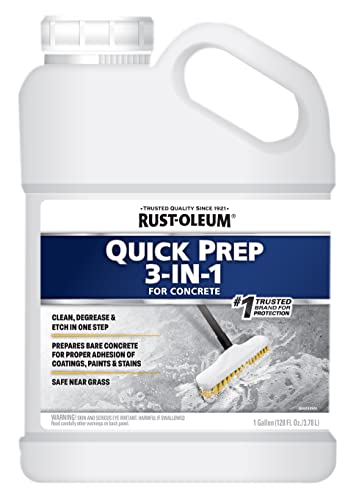

If you’re running out of room even with a clean garage floor, a backyard shed takes the overflow — seasonal gear, tools, lawn equipment. And if you’re parking outside while the garage doubles as a workshop, a carport keeps your car covered without needing a second garage.
We may earn a commission when you purchase through our links.
Durability and Abrasion Resistance
Both coatings far outperform bare concrete, but polyurea holds a clear edge in toughness. Because it stays slightly flexible, it absorbs impacts and resists chipping when you drop a heavy tool or drag a jack across it. Epoxy, being rigid, can crack or chip under sharp impact and may telegraph cracks that form in the concrete beneath it.
Polyurea is also significantly more abrasion resistant, standing up better to heavy traffic, rolling tool chests, and grit ground underfoot. Manufacturers often cite polyurea as several times more durable than standard epoxy in wear testing. For a working garage that sees real abuse, that difference shows up over the years as fewer chips and less wear-through.
The Hot Tire Pickup Problem
This single issue causes more epoxy failures than any other, and it’s where polyurea shines. When you park a car after driving, the tires are hot and slightly soft. As they cool against a rigid epoxy floor, they can grip the coating and literally peel it up when you back out, leaving ugly bare patches. This is called hot tire pickup.
Polyurea and polyaspartic coatings resist hot tire pickup because their flexible, tenacious bond doesn’t release under that thermal stress. If you park a daily driver in your garage, especially in a hot climate, this alone is a strong argument for polyurea over a budget epoxy.
UV Resistance and Yellowing
Sunlight is the enemy of many coatings, and here the two diverge again. Standard epoxy is prone to ambering, or yellowing, when exposed to UV light. A garage floor near an open door or lit by windows can see epoxy shift color and dull over time, especially with lighter or clear coats.
Polyurea and polyaspartic topcoats are highly UV stable and resist yellowing, keeping their color and clarity even with sun exposure. If your garage gets significant daylight or you leave the door open often, polyurea’s UV stability preserves the finish far longer.
Cure Time and Installation
The timeline difference is dramatic and affects how disruptive the project is. Epoxy cures slowly, needing several hours between coats and often 24 to 72 hours before you can walk on it, with full cure and vehicle-ready hardness taking up to a week. During that time your garage is out of commission.
Polyurea cures remarkably fast, often within hours. Many professional polyurea systems are a one-day install: grind the concrete in the morning, apply the base and topcoat through the day, and park on it the next morning. That speed is a genuine advantage, though the fast cure also makes polyurea harder to apply as a DIY project, since you have only minutes of working time before it sets.
Cost Comparison
Price is where epoxy fights back and remains competitive for budget-minded homeowners. The numbers vary by product and whether you DIY or hire out.
- DIY epoxy kit: Roughly $2 to $5 per square foot in materials, making a two-car garage achievable for a few hundred dollars.
- Professional epoxy: About $3 to $7 per square foot installed.
- Professional polyurea/polyaspartic: Typically $5 to $12 per square foot installed, reflecting the premium material and specialized application.
Epoxy is the clear budget winner up front, especially for DIYers. Polyurea costs more but buys longer life, faster installation, and freedom from hot tire pickup and yellowing. Over a 15- to 20-year horizon, the premium coating often costs less per year of service.
DIY Friendliness
If you plan to do the work yourself, this factor may decide it for you. Epoxy’s slow cure gives you a generous working window to spread, roll, and broadcast decorative flakes without racing the clock, which is why DIY kits are so widely sold and successful for handy homeowners.
Polyurea’s lightning-fast set time makes it unforgiving for beginners. You have only a short pot life to apply it before it hardens, and mistakes are hard to correct. Most polyurea jobs are best left to professionals with the right equipment and experience, which is part of why the installed cost is higher.
Chemical and Stain Resistance
A garage floor sees oil drips, brake fluid, road salt, battery acid, and spilled chemicals, so resistance to all of it matters. Both coatings dramatically outperform bare, porous concrete, which soaks up stains permanently. Epoxy offers strong chemical resistance and shrugs off most automotive fluids if you wipe spills reasonably promptly, which is a big reason it became the standard garage coating.
Polyurea and polyaspartic topcoats push chemical resistance even further, standing up to harsher solvents, road salt, and hot tire chemicals without softening or staining. For a garage that doubles as a serious workshop where solvents and chemicals are common, polyurea’s superior resistance is a meaningful edge. For a typical home garage with occasional oil drips, both coatings keep the floor easy to wipe clean and looking new for years.
Lifespan and Long-Term Value
The upfront price only tells part of the story, since how long each coating lasts determines the real cost per year. A well-applied epoxy floor in a home garage typically lasts around 5 to 10 years before it starts showing wear, yellowing, or chips, especially under hot tires and UV exposure. Reapplication or touch-ups then add to the lifetime cost.
Polyurea systems commonly last 15 to 20 years or more thanks to their flexibility, abrasion resistance, and UV stability. When you divide the installed cost by the years of service, the pricier polyurea often works out to a similar or lower annual cost than epoxy that needs redoing twice as often. That longevity, combined with the one-day installation and freedom from hot tire pickup, is why many contractors have shifted their premium offerings to polyurea and polyaspartic systems.
Surface Prep: The Shared Requirement
No matter which coating you choose, the concrete prep determines whether it lasts or peels, and this is where both systems succeed or fail. The slab must be clean, dry, and profiled so the coating can grip. Professionals achieve this by diamond grinding or shot-blasting the surface, which opens the concrete pores far better than acid etching, the method most DIY epoxy kits rely on. Any oil, dust, or moisture left behind will cause even the best coating to delaminate.
This shared reality is worth weighing in the decision. Because polyurea is almost always professionally installed, it comes with proper mechanical prep as standard. A DIY epoxy job lives or dies by how thoroughly you clean, etch, and dry the slab yourself, which is the most common reason budget epoxy floors fail early.
Which Should You Choose?
Match the coating to your priorities and situation. Epoxy makes sense when budget is tight, you enjoy DIY projects, your garage is climate-controlled and out of direct sun, and you can tolerate a slower cure and occasional touch-ups. It’s a proven, attractive, affordable finish for a light-to-moderate-use garage.
Polyurea makes sense when you want maximum durability, park hot vehicles daily, have sun exposure, need the garage back in a day, and are hiring a pro anyway. In the broader polyurea vs epoxy garage floor decision, polyurea wins on nearly every performance metric while epoxy wins on upfront cost and DIY accessibility. Decide which of those matters most to you, and you’ll pick a floor that stays looking sharp, whether that’s for a hobby workshop on a budget or a daily-driver garage built to last decades.
Prefer to explore on your own?
See how new flooring looks in your actual room in seconds — free, no signup.
Try the free Floor Studio →