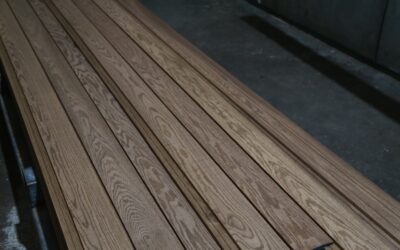
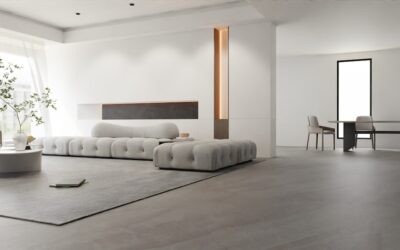
Nearly every “vinyl” floor sold in the United States is built from one base ingredient, and almost no shopper ever sees the name on the box. Polyvinyl chloride flooring is simply the technical term for vinyl flooring — PVC is the synthetic resin that gives luxury vinyl plank, sheet goods, and tile their flexibility, water resistance, and low price. Understanding the chemistry behind the marketing labels helps you spot real quality differences, avoid the cheapest off-gassing products, and choose a floor that actually lasts.
What PVC Actually Is
Polyvinyl chloride is one of the most widely produced plastics in the world, used in everything from pipes to window frames. In its raw form, PVC is rigid and brittle. To make it bend into a workable flooring material, manufacturers add plasticizers, stabilizers, and pigments. The result is a sheet or plank that resists water completely, takes printed patterns beautifully, and costs a fraction of hardwood or stone.
When you read a product spec listing “100% waterproof core” or “virgin vinyl,” you are looking at PVC content. Cheaper floors blend in recycled or filler material, which is why two planks that look identical can perform very differently over five years.
The Role of Plasticizers
Plasticizers are the additives that turn stiff PVC into a flexible, comfortable floor. For decades the industry relied on phthalates, a family of chemicals that softened the plastic but raised health concerns when they migrated out of the material over time. That migration is what causes some older vinyl floors to feel sticky or give off a strong “new plastic” smell.
Today, most reputable brands sold in North America have moved to phthalate-free plasticizers. If indoor air quality matters to you — and it should in bedrooms and nurseries — look for that label explicitly. It is one of the few honest dividing lines between budget and premium PVC flooring.
Sheet Vinyl vs Luxury Vinyl Tile
PVC flooring comes in two broad formats, and the difference shapes installation, repair, and appearance.
- Sheet vinyl: Sold in 6- or 12-foot-wide rolls, it covers a room with few or no seams. That makes it the most water-resistant option for bathrooms and laundry rooms, since water has nowhere to penetrate. Expect $1 to $3 per square foot for material.
- Luxury vinyl tile (LVT) and plank (LVP): These are individual pieces with realistic wood or stone printing and a protective wear layer. They click or glue together, look far more convincing than sheet goods, and run $2 to $6 per square foot.
Within LVT you will also see rigid-core variants — SPC (stone plastic composite) and WPC (wood plastic composite) — which add limestone powder or foaming agents to the PVC core for a sturdier, more dent-resistant board.
The Wear Layer Matters Most
If you remember one number when shopping, make it the wear-layer thickness, measured in mils. This clear top coating determines how long the printed pattern survives foot traffic, pets, and furniture.
- 6 to 8 mil: Light residential use, guest rooms, closets.
- 12 to 20 mil: Busy households, kitchens, hallways. This is the sweet spot for most homes.
- 20 mil and up: Light commercial settings and homes with large dogs.
A thicker wear layer costs more upfront but dramatically extends the floor’s life. A 6-mil floor in a busy kitchen can look worn in three years; a 20-mil floor in the same spot can hold up for fifteen.
Pros of Polyvinyl Chloride Flooring
The reasons PVC dominates the flooring market are practical. It is genuinely waterproof, which solves the single biggest weakness of hardwood and laminate. It is warm and quiet underfoot compared to tile. Installation is forgiving enough for confident DIYers, especially click-lock LVP that floats over most existing surfaces. And the printing technology has improved so much that high-end planks fool guests into thinking they are real oak.
Maintenance is minimal — sweep and damp-mop, no refinishing, no sealing. For families, rentals, and anyone on a budget, that combination is hard to beat.
Cons and Honest Drawbacks
PVC is still plastic, and that brings trade-offs. It does not add resale value the way real hardwood does. Direct, prolonged sunlight can fade printed patterns, so south-facing rooms benefit from UV-filtering window film. Sharp objects and dragged furniture can gouge the wear layer, and unlike wood, a gouge cannot be sanded out — you replace the plank.
There are also environmental considerations. PVC is not easily recycled and is derived from petrochemicals. If sustainability is a priority, weigh that against the floor’s long service life, or look at brands offering take-back programs and recycled content.
How to Buy Smart
Start with the room. For a bathroom on a tight budget, sheet vinyl gives you a near-seamless waterproof surface for the lowest price. For living areas where looks count, choose rigid-core LVP with at least a 12-mil wear layer and a phthalate-free certification such as FloorScore.
Always order 10 percent extra for cuts and future repairs, and check the warranty length against the wear-layer rating — a 25-year residential warranty on a 6-mil floor is marketing optimism, not a guarantee. Acclimate the boxes in the room for 48 hours before installing, and you will avoid the gapping that ruins so many otherwise good PVC floors.
PVC Flooring vs Other Materials
It helps to see where PVC sits against the alternatives homeowners weigh against it. Laminate is cheaper in some lines and feels firm underfoot, but it is not waterproof — its fiberboard core swells permanently if water reaches it. Ceramic and porcelain tile are fully waterproof and harder-wearing, yet they are cold, loud, expensive to install, and unforgiving if you drop a glass. Hardwood brings unmatched warmth and resale value but cannot go in bathrooms or basements and demands periodic refinishing.
PVC’s pitch is that it splits the difference: waterproof like tile, warm and quiet like wood, and easier on the wallet than either. For kitchens, baths, basements, and busy family rooms, that combination is exactly why it has taken over so much of the market. Where it loses is on prestige and longevity at the very top end, which is where solid hardwood and stone still hold their ground.
Installation Tips That Prevent Failures
Most PVC flooring complaints trace back to a few avoidable mistakes. Subfloor flatness is the big one — any vinyl, but especially thinner products, telegraphs bumps, ridges, and debris straight to the surface, so grind high spots and fill low ones before you start. Acclimate the planks in the room for at least 48 hours so they reach a stable temperature before installation; skipping this is the leading cause of gapping and buckling in floating click-lock floors.
Leave the manufacturer’s expansion gap around the perimeter of floating installations, and avoid pinning the floor under heavy cabinets or with rigidly fastened transition strips. For glue-down work, use the specified trowel and adhesive and roll the floor to ensure full contact. Follow these basics and a PVC floor will lie flat and tight for its full rated life.
The Bottom Line
Once you understand that polyvinyl chloride flooring and vinyl flooring are the same thing, the buying decision gets clearer. Focus on wear-layer thickness, insist on phthalate-free material for living spaces, and match the format — sheet for wet rooms, rigid-core LVP for everywhere else. Done right, a PVC floor delivers waterproof durability and convincing looks for a price no natural material can match.
Prefer to explore on your own?
See how new flooring looks in your actual room in seconds — free, no signup.
Try the free Floor Studio →