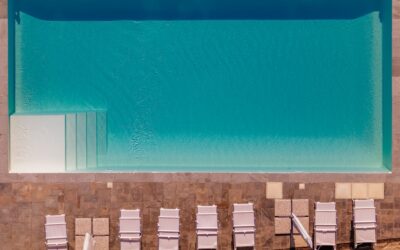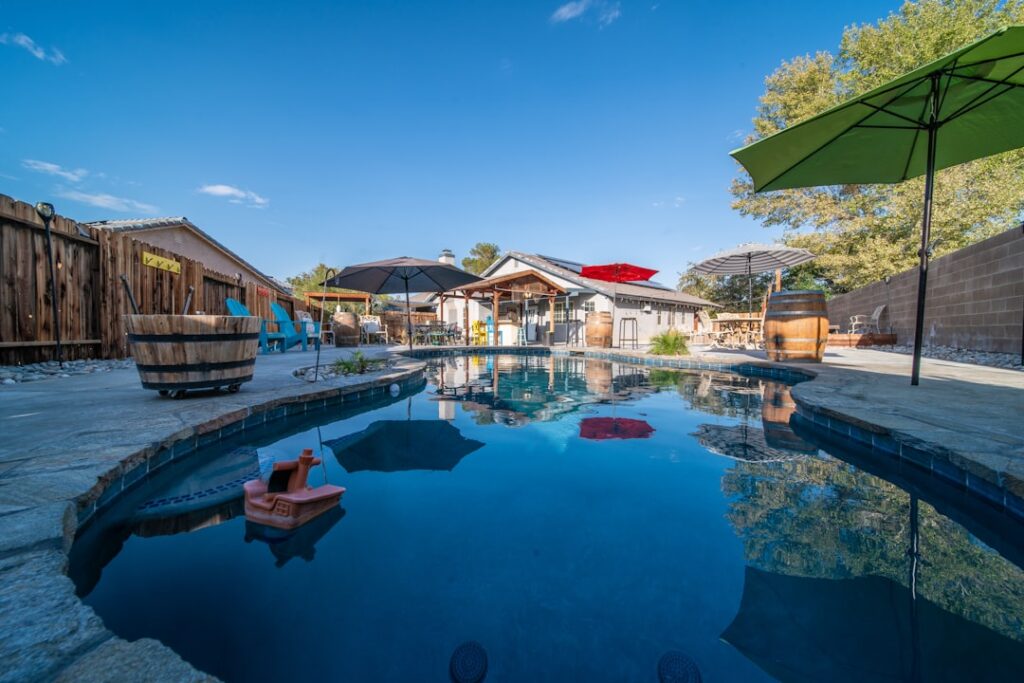
A pool without shade is a pool that gets used twice a summer and then sits. Sun exposure at the water’s edge intensifies by 30 to 50 percent because of reflection off the surface, which is why an unshaded pool deck can reach 140°F by midafternoon in July. The right pool shade solution turns a plastic-lounger afterthought into the most-used space in your backyard, and it does not have to cost $25,000 to do it well. The trick is matching the shade type to your pool size, wind exposure, and how many hours of afternoon sun you actually need to block.
How Much Shade You Actually Need
Start with a realistic audit. Stand next to your pool at 2 PM in late July and note which direction the sun hits. Most US backyards need shade on the west and southwest side, because the sun from 11 AM to 5 PM carries the UV load. A north-facing pool in a wooded lot may need almost no added shade, while a south-facing pool on an open lot needs full coverage over at least half the deck.
Plan for 40 to 60 percent of the total deck area to be shaded. Shading 100 percent kills the point of having a sun-warmed pool, and anything under 30 percent leaves nowhere comfortable to sit with a drink.
Shade Sails
Shade sails are triangular or rectangular fabric panels tensioned between anchor points. They deliver the highest coverage per dollar spent. A 16-by-20-foot rectangular sail in commercial-grade HDPE shade cloth runs $180 to $450 for the fabric and $300 to $900 for four anchor posts installed in concrete footings. DIY installation is genuinely feasible over a weekend with a helper.
The UV rating matters. Look for 95% or higher UV block, which is printed on the label. Brands like Coolaroo, Shadeidea, and Alion Home all sell shade cloth in this range. Lower-cost polyester sails block only 70% UV and sag within two seasons. Expect to replace HDPE sails every 7 to 10 years, polyester every 3 to 4.
Pergolas and Pavilions
A pergola is the step up in permanence and price. A 12-by-16-foot wood pergola built from pressure-treated pine or cedar runs $3,500 to $7,500 installed. Aluminum louvered pergolas with operable roof blades start at $8,000 and climb to $25,000 for a 12-by-20-foot unit with integrated lighting and motorized louvers. Struxure, Renson, and Pergola Kits USA are the three brands most often specified by landscape designers.
For a pool, the louvered aluminum version is worth the premium. You can open the louvers for full sun on cool days and close them for complete shade when the UV index climbs. Most units are rated for 35-mph wind loads with louvers open and 80+ mph closed, which matters in coastal or storm-prone markets.
Cantilever Umbrellas
A cantilever or offset umbrella lets you shade the pool deck without planting a post in the middle of your walking path. Premium 11-foot cantilevers from Treasure Garden or Galtech run $900 to $2,200 with a weighted base. The base alone weighs 180 to 400 pounds, so plan a dedicated paver pad for it.
The advantage is mobility. You can rotate the canopy through the day to chase the sun. The weakness is wind. Cantilever umbrellas over 10 feet cannot be left open in winds above 20 mph without risking frame damage, which means someone has to close it every evening or during surprise thunderstorms. Choose a model with a crank-and-tilt mechanism rated for at least 30,000 cycles.
Retractable Awnings
Mounted to the side of the house or to a freestanding frame, a retractable awning extends 10 to 16 feet out over the pool deck. SunSetter and NuImage both sell motorized models from $1,800 to $4,500 installed. The benefit is full retraction during storms or when you want sun. The drawback is that mounting requires a structurally sound wall, and the extended fabric can fight pool-side wind.
Specify a wind sensor that auto-retracts at 20 mph. Replacement fabric runs $300 to $700 every 8 to 12 years depending on sun exposure.
Natural Shade with Trees
Trees are the longest-lasting pool shade, but they come with maintenance that most homeowners underestimate. Deciduous shade trees like London plane, red maple, and tulip poplar drop leaves all summer that end up in the skimmer. Evergreens like southern live oak, magnolia, and wax myrtle shed less per event but drop year-round. Avoid cottonwood, willow, sweetgum, and any fruit-bearing tree within 30 feet of the pool.
A 12-foot specimen tree runs $600 to $1,500 installed and delivers usable shade in five to seven years. Plant on the west or southwest side, at least 15 feet from the pool edge to keep roots away from the shell.
Structural Covers and Sun Sails Combined
The professional approach layers two systems. A permanent structure over the primary lounging area (pergola or pavilion) combines with movable shade (umbrella or sail) over the pool itself. This gives you a committed social zone with reliable shade plus the flexibility to shade the water when swimmers need a break.
Budget for this approach runs $10,000 to $30,000 total, which aligns with a mid-range pool remodel. The ROI at resale is real in Sun Belt markets, where shaded pools can add 2 to 4 percent to home value.
Costs at a Glance
A DIY shade sail with posts runs $500 to $1,500. A cantilever umbrella package is $1,000 to $2,500. A wood pergola is $3,500 to $7,500. A louvered aluminum pergola is $8,000 to $25,000. A retractable awning is $1,800 to $4,500. Mature shade trees at planting are $600 to $1,500 each, and expect to plant three to five for meaningful coverage.
Mistakes to Avoid
Do not skip the wind rating. An un-rated shade structure over a pool turns into a liability the first time a thunderstorm rolls through. Do not place anchor points into pool deck concrete less than 6 inches from the pool coping; the forces can crack the coping or the shell. Do not use household-grade fabric shade in full-sun Sun Belt climates. Commercial knit HDPE lasts three times as long as polyester at roughly double the price.
Finally, check your HOA and municipal setback rules before building anything over 10 feet tall. Pergolas and pavilions over 120 square feet typically require a permit, and many HOAs restrict colors and materials. Getting caught with unpermitted work will force you to tear out a $15,000 structure and rebuild to code.