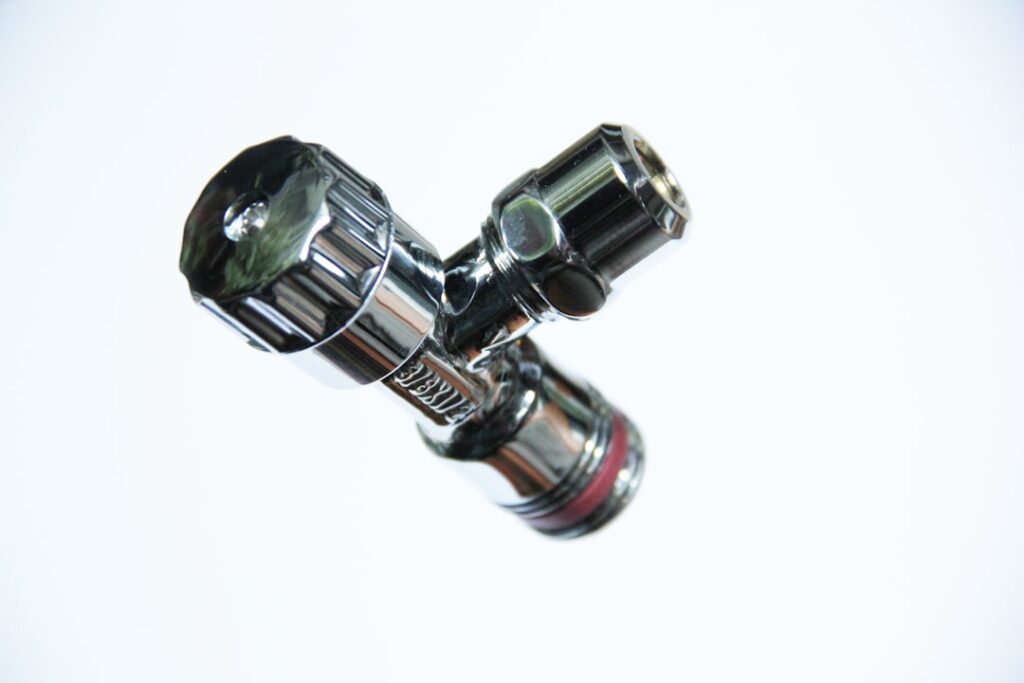
The single most important safety device on your water heater is one most homeowners never think about until it starts dripping. The pop off valve for water heater systems, more accurately called the temperature and pressure relief valve, or T&P valve, is the component that keeps a tank from turning into a serious hazard. It does one job: if the water inside gets too hot or the pressure climbs too high, it opens and releases water to relieve the buildup. Understanding how it works, why it matters, and when to call a professional can protect your home and, more importantly, your family from scalding water and dangerous pressure.
What the Pop-Off Valve Actually Does
Inside a water heater, water is heated in a sealed steel tank. As water heats, it expands and pressure rises. Normally this is controlled, but if the thermostat fails, a heating element sticks on, or the incoming water pressure spikes, the temperature and pressure inside can climb to unsafe levels. Without a release, that pressure has nowhere to go, and a superheated, over-pressurized tank is genuinely dangerous.
The pop-off valve is the fail-safe. It is a spring-loaded valve, usually mounted on the top or upper side of the tank, calibrated to open automatically when either of two limits is exceeded, typically 210°F in temperature or 150 psi in pressure. When that happens, the valve pops open and discharges hot water through an attached pipe, lowering the pressure and temperature back to safe levels. It is a purely mechanical safety device that works even if the water heater’s electronics fail.
Why This Valve Is So Critical
A water heater without a functioning relief valve is not just a maintenance concern; it is a safety risk that should never be ignored. When water is heated well past its boiling point inside a pressurized tank, it stays liquid only because of the pressure. If that tank were to rupture, the sudden release turns the superheated water instantly to steam, releasing an enormous amount of energy. This is exactly the scenario the T&P valve exists to prevent. That is why building codes require every tank water heater to have one, and why it must never be capped, plugged, or disabled.
The Discharge Pipe
The T&P valve connects to a discharge tube, sometimes called the drain line, that directs any released water safely downward, usually to within about 6 inches of the floor or to a drain. This pipe is essential and code-required for good reason:
- It aims scalding water away from anyone standing near the heater.
- It prevents hot water from spraying outward if the valve opens.
- It must run downhill with no upward loops so it drains fully by gravity.
- It should never be capped, threaded at the end, or reduced in size, since that could trap pressure.
If you see the discharge pipe dripping or water pooling beneath it, the valve has been doing its job, and something is causing it to open. That is a signal to investigate, not to ignore.
Signs Your Pop-Off Valve Needs Attention
A few symptoms indicate the valve or the system feeding it needs a look:
- Continuous or frequent dripping from the discharge pipe, which can mean excess pressure, an overheating tank, or a worn valve.
- Water discharging in bursts during heating cycles, often a sign of thermal expansion or too-high supply pressure.
- No water at all when tested, which may mean the valve is stuck closed and not protecting the tank, a serious problem.
- Corrosion or mineral buildup around the valve, which can prevent it from opening or sealing properly.
Testing the Valve Safely
Manufacturers recommend testing the T&P valve about once a year, but this must be done with care because it releases scalding hot water. If you choose to test it yourself, understand the risk of burns and follow the steps cautiously:
- Make sure nothing and no one is near the discharge pipe outlet, since the water that comes out is hot enough to scald instantly.
- Place a bucket under the discharge pipe if it does not run to a drain.
- Lift the valve’s test lever partway for just a second and let it snap back. You should hear a rush and see water discharge, then stop cleanly.
- If the valve does not release water, or drips continuously afterward and will not reseat, it is faulty and needs replacement.
If you are at all unsure, or if the valve is old and corroded, do not force it. A stuck valve that breaks during testing can leave you with a leaking tank.
Safety First: When to Call a Licensed Plumber
Replacing a temperature and pressure relief valve is not a task to take lightly, because it involves a tank full of pressurized, superheated water and a gas or electric appliance. Before anyone works on the valve, the water heater must be shut down safely:
- Turn off the power or gas. Switch off the electric breaker to an electric heater, or set a gas heater’s control to “off” and shut the gas supply valve.
- Shut off the cold water supply to the tank.
- Let the water cool and relieve pressure before opening anything, since the water inside can be 120°F to 140°F or hotter and will scald.
Even with the appliance off, the tank holds a large volume of hot water under pressure. If you are not fully confident in the process, call a licensed plumber. A professional will confirm the correct valve rating for your tank, check your home’s water pressure and whether an expansion tank is needed, and install the replacement to code. The modest cost of a service call is far cheaper than the consequences of a mistake with pressurized hot water. Never downplay the scald and pressure risk this valve is designed to manage, and never plug or bypass it to stop a leak.
Why the Valve Keeps Opening
If a healthy valve keeps discharging, the valve usually is not the problem, the system is. Common causes include high municipal water pressure that needs a pressure-reducing valve, thermal expansion in a closed plumbing system that requires an expansion tank, or a water heater thermostat set too high or failing. A plumber can diagnose which it is. Simply replacing the valve without addressing the underlying cause means the new one will keep opening too.
Frequently Asked Questions
At what temperature and pressure does a water heater pop-off valve open?
Most T&P valves are calibrated to open at approximately 210°F or 150 psi, whichever is reached first. These limits keep the tank well within safe operating conditions.
Is it safe to cap a leaking T&P valve?
Never. Capping or plugging the valve or its discharge pipe removes the tank’s only pressure safeguard and creates a serious hazard. A leaking valve should be diagnosed and repaired, not blocked.
Can I replace a water heater pressure relief valve myself?
It is possible for an experienced DIYer, but only after shutting off the power or gas, closing the cold water supply, and relieving pressure. Because of the scald and pressure risk, many homeowners should call a licensed plumber.
Why does my relief valve keep dripping?
Frequent dripping usually points to excess water pressure, thermal expansion in a closed system, or an overheating tank, rather than the valve itself. A plumber can identify the cause and recommend a pressure-reducing valve or expansion tank if needed.