Walk into any flooring showroom in 2026 and the popular carpets on display look very different from what your parents shopped for. Berber loops dominate basements, soft nylon twists fill bedrooms, and pattern carpets are quietly making a comeback in dining rooms. Popular carpet picks today balance comfort, durability, and stain resistance in ways that older polyester carpets simply could not. Knowing which styles are trending and which actually hold up in your specific room saves both money and headache.
The Five Carpet Styles Selling Right Now
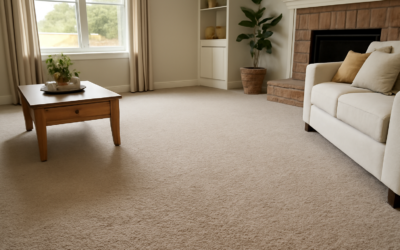
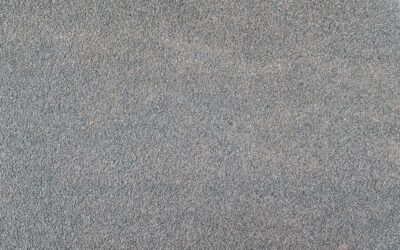
Five styles account for roughly 80 percent of residential carpet sales. Plush (also called Saxony) gives the smooth velvety look but shows footprints. Frieze (often labeled twist or shag) hides traffic patterns and works in family rooms. Berber loop adds texture, hides dirt, and runs durable. Pattern carpet combines loop and cut pile for visual interest. Cut-and-loop blends both for a transitional look.
The hot pick of the past 18 months is short-pile patterned carpet, especially in geometric and trellis designs. Pricing runs $4.99 to $9.99 per sq ft. Frieze sits behind in volume at $3.49 to $7.99 and remains the bedroom default for most American homeowners.
Top Brands That Define the Category
Shaw Floors and Mohawk Industries together control more than 60 percent of the U.S. residential carpet market. Shaw’s Anso nylon and LifeGuard backing line dominate the durability tier. Mohawk’s SmartStrand triexta fiber leads on stain resistance, backed by a permanent stain warranty that competitors cannot match.
- Shaw Anso Caress — $5.49 to $8.99 per sq ft, nylon plush
- Mohawk SmartStrand Silk — $4.99 to $7.49 per sq ft, soft triexta
- Stainmaster PetProtect — $5.99 to $9.49 per sq ft, nylon with pet warranty
- Karastan Smartstrand — $6.49 to $11.99 per sq ft, premium tier
- Dream Weaver PureColor — $3.99 to $5.99 per sq ft, value polyester
Fiber Type Drives Performance
Nylon is the gold standard for high-traffic areas. It resists crushing, recovers from compression, and lasts 12 to 20 years with proper maintenance. Premium nylons like Shaw’s Anso run $1 to $2 per sq ft more than polyester equivalents but justify the cost in busy households.
Triexta is the newer challenger, marketed primarily by Mohawk under the SmartStrand name. It combines nylon-like durability with built-in stain resistance that does not wear off. Wine, juice, and pet accidents wipe clean even years after installation.
Polyester is soft, affordable, and the right fiber for low-traffic bedrooms and rental properties. It is more prone to matting in heavy use. Olefin (polypropylene) handles moisture well and works in basements but flattens quickly in living rooms.
Carpet Density and Face Weight Specs
Two numbers separate good carpet from mediocre carpet. Face weight measures ounces of fiber per square yard, with 35 oz minimum for residential and 45 to 60 oz for premium. Density measures how tightly the fibers are packed, calculated as face weight times 36 divided by pile height.
A density above 2,500 holds up to high traffic. Above 3,500 is showroom-grade premium. Sales staff will quote face weight readily but density requires you to ask or calculate. Two carpets with the same face weight can perform very differently based on pile height.
Padding That Makes or Breaks the Floor
Carpet pad gets ignored until the carpet fails, then everyone blames the carpet. Most manufacturer warranties require minimum 6-pound density pad at 7/16 inch thickness. Cheaper pads at 4 pounds compress in two years and void the warranty.
For bedrooms, an 8-pound 8/16 inch memory foam or rebond pad runs $0.55 to $0.85 per sq ft and improves comfort dramatically. For stairs and high-traffic areas, drop to 7/16 inch but keep 8-pound density. Premium pads like Healthier Choice or LifeGuard at $0.95 per sq ft add antimicrobial treatment that pays off in homes with pets.
Installation Costs and Timeline
Carpet installation runs $0.75 to $2.50 per sq ft on top of material and pad. Big-box stores like Lowes and Home Depot run frequent $99-installation promotions on whole-house jobs above a minimum order. The labor includes haul-away of old carpet and pad, which is worth $1 per sq ft if you do not own a truck.
Stairs and tight rooms cost more. Expect $7 to $12 per stair tread for installation, plus material. A typical 1,500 sq ft house with stairs takes one to two days for a two-person crew. Acclimation is not required for carpet, but the room should sit at normal temperature and humidity for 24 hours after install.
Where Each Popular Style Performs Best
Master bedrooms favor soft plush or triexta in 50 oz or higher. The room sees light traffic but you walk barefoot daily, so feel matters more than durability. Family rooms need durable nylon or triexta with face weight 45 oz plus and density above 2,800. Frieze handles this category well.
Basements demand olefin or solution-dyed nylon for moisture and mold resistance. Berber loops work here. Stairs need short pile under 1/2 inch with high density. Long pile shags simply do not wear well on stair edges.
Buying Smart and Avoiding Overspend
The single biggest waste is buying premium carpet for low-traffic rooms. A guest bedroom does not need 60 oz Karastan. Conversely, putting builder-grade polyester in a busy family room means replacing it in 5 years instead of 12. Match the carpet to the room’s actual use.
Watch for retailer promotions in January and August when manufacturers reset model years. End-of-roll deals at independent showrooms can hit 40 percent off premium product when the quantity matches your room size. The popular carpet picks of the year change, but the buying principles stay the same: right fiber, right density, right pad, and right installer.