Most failed carpet installs I get called to fix have one thing in common: the wrong adhesive, applied the wrong way. Carpet glue spray solves a lot of those problems because it lays down a thin, even coat in seconds without the trowel marks and ridges that trap moisture under a trowel-applied glue. For stair runners, carpet tiles, boat decking, and indoor-outdoor rugs, an aerosol or pump adhesive is often the cleaner, faster choice. This guide covers which sprays to use, how much you actually need, and the mistakes that pull carpet loose within a season.
- What Spray Carpet Adhesive Actually Is
- When Spray Beats Trowel-On Glue
- How Much You Actually Need
- Step-by-Step Application
- Choosing the Right Product
- Common Mistakes That Cause Failure
- Removal and Cleanup
- Water-Based vs. Solvent-Based Sprays
- Safety and Storage
- The Bottom Line
- Frequently Asked Questions
What Spray Carpet Adhesive Actually Is
Spray carpet adhesive is a solvent- or water-based bonding agent packaged in an aerosol can or a pump sprayer. Instead of spreading a bead with a notched trowel, you mist a uniform tack coat across the subfloor, the carpet backing, or both. The result is a contact bond that grips almost immediately once the two surfaces meet.
These products break down into two broad families. Contact adhesives, like 3M Hi-Strength 90 or Super 77, need to flash off for one to five minutes before you press the surfaces together, and they grab hard on contact. Repositionable sprays stay tacky longer and let you lift and realign the carpet, which is exactly what you want for carpet tiles you may need to swap later.
When Spray Beats Trowel-On Glue
A five-gallon bucket of multipurpose flooring adhesive is the right call for wall-to-wall glue-down broadloom over 200 square feet. Spray shines in the jobs where a bucket is overkill or messy.
- Stair runners: a light mist on each tread holds the runner flat without oozing out the edges.
- Carpet tiles: repositionable spray lets you dry-fit and shift 18-by-18-inch squares before committing.
- Indoor-outdoor and marine carpet: spray reaches the tight corners of boat cockpits and truck beds.
- Repairs: re-bonding a lifted seam or a curled rug corner takes one quick pass.
- Automotive and craft work: headliners and speaker boxes rely almost entirely on spray contact cement.
The tradeoff is coverage cost. Aerosol runs roughly $12 to $20 a can, and a single can covers a limited area, so large floors get expensive fast compared to bucket glue at around $30 to $50 for five gallons.
How Much You Actually Need
Coverage is where budgets go sideways. A 24-ounce can of high-strength contact spray covers about 30 to 60 square feet when you glue one surface, or half that when you spray both surfaces for a permanent bond. Read the label’s stated yield, then cut it by 20 percent for real-world overspray and waste.
For a standard 13-tread staircase, plan on one 16-ounce can per flight. A 10-by-12-foot room in carpet tiles typically eats two to three cans of repositionable adhesive. Buy one extra can beyond your estimate; running dry mid-install and waiting on another store trip lets your first section skin over.
Step-by-Step Application
Clean, dry, and dust-free is non-negotiable. Vacuum the subfloor, wipe concrete with a damp cloth, and let it dry fully. Any grit or moisture under the tack coat becomes a bubble or a loose spot later.
- Shake the can hard for 60 seconds. Cold cans spray poorly, so keep them around 70 degrees Fahrenheit.
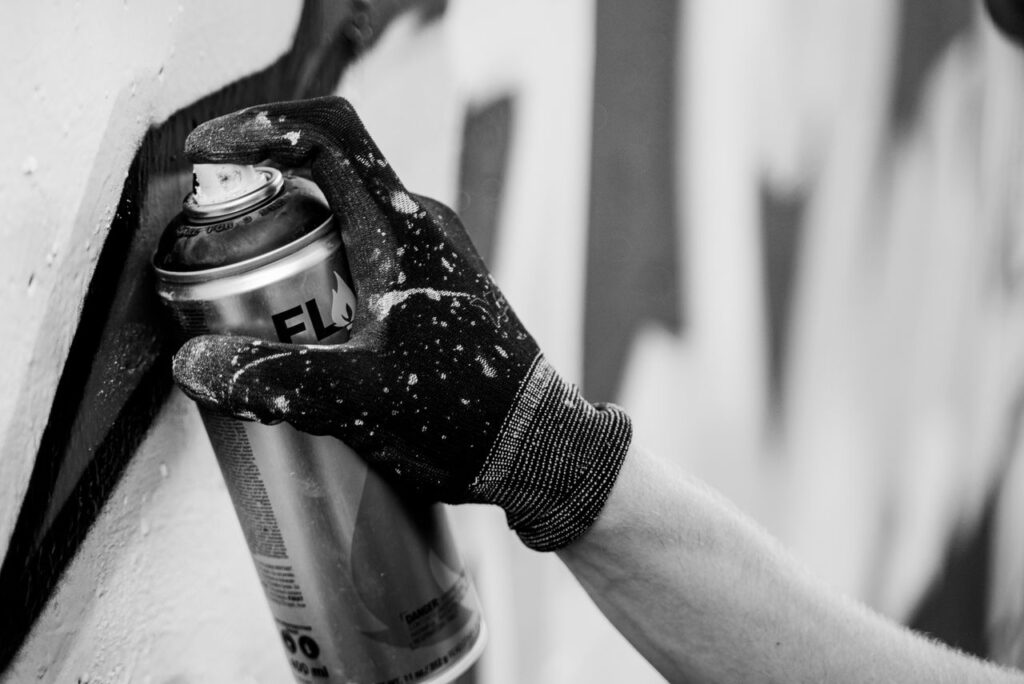
- Hold the nozzle 6 to 8 inches from the surface and spray in overlapping passes for even, light coverage. Heavy pooling weakens the bond and bleeds through thin backings.
- Let contact adhesive flash off until it feels tacky but not wet, usually one to three minutes at room temperature.
- Set the carpet from one edge, working across to push out air. Once contact glue touches, it grabs, so alignment matters.
- Press the whole surface with a carpet roller or a J-roller on stairs. Firm pressure, not just weight, makes the bond.
Ventilate the room. Solvent-based sprays are flammable and give off strong fumes, so open windows, run a fan, and kill any pilot lights before you start.
Choosing the Right Product
Match the adhesive to the job rather than grabbing whatever is on the shelf. For permanent bonds under foot traffic, high-strength contact sprays such as 3M 90 hold up to heat and shear. For anything you may want to lift, a repositionable formula is worth the slightly weaker grip.
- Permanent, high-traffic: 3M Hi-Strength 90 or a comparable industrial contact spray.
- General purpose, forgiving: 3M Super 77 for lightweight carpet and craft applications.
- Removable carpet tiles: repositionable spray or, better yet, peel-and-stick tab systems.
- Outdoor and wet areas: a moisture-resistant, marine-rated adhesive that will not release when damp.
Confirm the label lists your backing type. Some sprays soften foam and latex backings, so a quick test on a scrap tells you whether the glue and carpet are compatible before you commit the whole floor.
Common Mistakes That Cause Failure
Spraying too heavily is the number one error. A thick, wet coat never flashes off correctly and stays gummy under the carpet, so tiles creep and seams lift. Thin and even always beats thick and puddled.
Skipping the flash-off time ruins contact adhesives. Press two wet surfaces together and you get a slippery, weak joint instead of an instant grab. Rushing the roller step is just as bad; without firm pressure across the full surface, only the high spots bond and the rest tents up within weeks.
Removal and Cleanup
Overspray on baseboards or trim wipes off with mineral spirits or a citrus-based adhesive remover while it is fresh. Cured spray glue on a subfloor takes more work. Scrape the bulk with a floor scraper, then soften the residue with an adhesive remover or a heat gun on low.
Keep acetone and citrus remover on hand for tools and skin, and wear nitrile gloves. If you get contact cement on carpet fibers, blot with mineral spirits on a rag rather than rubbing, which only spreads it deeper into the pile.
Water-Based vs. Solvent-Based Sprays
The chemistry inside the can matters more than the marketing on the label. Solvent-based sprays cure fast, grip hard, and resist heat and moisture, which makes them the default for permanent installs and outdoor work. The downside is strong fumes and flammability, so they demand ventilation and care around any ignition source.
Water-based sprays trade a little grip and speed for lower odor and easier cleanup with soap and water. They are the safer choice for enclosed rooms, apartments, and anyone sensitive to solvent fumes. For a nursery or a poorly ventilated basement, a low-VOC water-based adhesive is worth the slightly longer cure. Whichever you pick, check the temperature range on the label; most sprays want a surface and air temperature between 65 and 90 degrees Fahrenheit to bond correctly, and a cold garage floor in winter can cause a weak, chalky bond that lets go within days.
Safety and Storage
Aerosol adhesive is a pressurized, often flammable product, so treat it with respect. Never spray near an open flame, a water heater pilot, or a running space heater, and do not smoke while you work. Wear a respirator rated for organic vapors when you are spraying solvent-based glue in a closed room, along with nitrile gloves and eye protection.
Store cans upright between 50 and 80 degrees Fahrenheit, away from direct sun and never in a hot car, where heat can build dangerous pressure. Keep the nozzle clean by inverting the can and spraying a short burst until only propellant comes out; that simple habit stops the tip from clogging and gives you an even fan the next time you reach for it.
The Bottom Line
For runners, tiles, repairs, and outdoor carpet, a good carpet glue spray gives you a fast, even, low-mess bond that a trowel struggles to match. Match the formula to the job, spray thin, respect the flash-off window, and roll it down with real pressure. Do that and your carpet stays put for years instead of curling loose by next spring. Buy one extra can, ventilate the space, and test on a scrap first so you know the adhesive and your carpet backing play nicely together before the whole floor is committed.
Frequently Asked Questions
How long does spray carpet adhesive take to dry?
Most spray carpet adhesives flash off in 1 to 5 minutes, and many reach full bond strength in about 24 hours. Keep heavy furniture and traffic off the carpet until then, especially on stairs. Cold temperatures, high humidity and thick coats all slow drying, so follow the cure time printed on the can for the specific product rather than a general rule.
What spray adhesive works best for boat carpet?
Use a marine-rated, water-resistant and heat-resistant contact spray made for outdoor carpet. Standard indoor sprays can soften and release when the deck gets wet or sits in hot sun. Clean old glue, salt and oils off the deck, let it dry fully, spray both surfaces for a permanent bond and roll firmly. Work in open air or with strong ventilation, since solvent-based marine sprays are flammable.
Can you use spray adhesive for carpet tiles on concrete?
Yes, as long as the slab is clean, dust-free and dry. Use a repositionable or releasable spray if tiles may need replacing later, and test the concrete for moisture first, because damp slabs weaken the bond and can lead to mold under the tiles. Many carpet tile makers specify their own adhesive or tab system, so check the tile instructions to avoid voiding the warranty.
Should you use spray adhesive to stop a rug slipping on hardwood?
No. Spray glue can bond to the floor finish, leave sticky residue and pull up finish when the rug is lifted, and some solvents soften polyurethane or vinyl. A felt-and-rubber rug pad or a rug tape labeled safe for finished wood floors holds the rug without damage. Save spray adhesive for carpet meant to stay down permanently, such as stair runners or glued carpet tiles.