An uncovered porch is a fair-weather friend, useless in a downpour and brutal under a July sun. The right cover turns it into a room you actually use most of the year. The best porch covering ideas come down to one early decision: do you want full protection from rain, or just relief from the sun? That answer steers everything else, the structure, the materials, and whether you tie into the house or build something that stands on its own. Here are the options worth considering and how to choose between them.
- Solid Roof Coverings for Full Protection
- Pergolas and Slatted Covers for Filtered Shade
- Awnings and Retractable Canopies
- Polycarbonate and Acrylic Panels
- Attached vs Freestanding: Which to Choose
- Don't Forget Permits and Local Code
- Matching the Cover to Your Climate
- Budgeting and Maintenance Expectations
- Choosing the Right Cover for Your Porch
Solid Roof Coverings for Full Protection
If you want to use the porch in rain and shine, a solid roof is the gold standard. It keeps furniture dry, blocks UV, and reads as a true extension of the house. Common approaches include:
- Gable or hip roof: A pitched, shingled roof that matches the home’s existing roofline for a built-in, permanent look.
- Shed (lean-to) roof: A single slope attached to the house wall, simpler and more affordable than a full gable.
- Insulated patio panels: Foam-core aluminum panels that span the porch, offer some insulation, and install faster than framed roofs.
Solid roofs require proper framing, flashing where they meet the house, and almost always a building permit. This is the most weatherproof but also the most involved option.
Pergolas and Slatted Covers for Filtered Shade
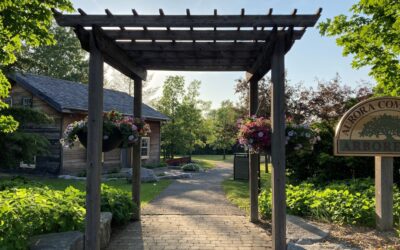
A pergola gives you architectural shade without fully enclosing the sky. Open rafters or slats cast striped shadows that cut the sun while keeping the airy, open feel. You can dial in the coverage by spacing the slats closer or adding climbing vines for living shade over time.
Pergolas don’t stop rain on their own, but they’re a strong base for add-ons: a retractable canopy between the beams, a polycarbonate roof panel on top, or an adjustable louvered roof that tilts closed when storms roll in. Louvered systems are pricier but bridge the gap between open pergola and solid roof.
Awnings and Retractable Canopies
Awnings are the flexible, budget-friendlier choice, especially for an existing porch you don’t want to re-engineer. A retractable fabric awning extends for shade and pulls back when you want sun or need to clear it before a storm. Stationary metal awnings offer steadier protection with less maintenance.
Fabric awnings are the least expensive route and easy to replace when colors fade, but they have a shorter lifespan than a hard roof and need to be retracted in high wind and heavy snow.
Polycarbonate and Acrylic Panels
Translucent panels are a smart middle ground. Mounted over a frame or pergola, polycarbonate sheds rain while letting daylight through, so the porch stays bright instead of dim and cave-like. The panels resist impact, come in clear or tinted finishes, and weigh far less than glass.
Expect some noise during heavy rain and occasional cleaning to keep them clear, but for a covered-yet-sunny porch, they’re hard to beat on value.
Attached vs Freestanding: Which to Choose
This is the structural fork in the road. An attached cover ties into the house and feels like part of the home; a freestanding cover stands on its own posts and footings.
- Attached: Looks integrated, uses the house wall for support, and is ideal when the porch sits right against the home. Requires careful flashing to prevent leaks at the wall connection.
- Freestanding: More flexible placement, no need to alter the house, and avoids the leak risk at the wall. It needs its own footings and a bit more material, and it can be moved or rebuilt without touching the home.
For most attached porches, tying into the house makes sense. Freestanding shines for detached patios or when you’d rather not penetrate the home’s siding and roofline.
Don’t Forget Permits and Local Code
Any permanent cover usually requires a permit, and codes dictate footing depth, snow and wind load ratings, and setbacks from property lines. Snow country needs steeper pitches and stronger framing; hurricane and high-wind zones have strict anchoring rules. Check with your local building department before you buy materials, an unpermitted structure can cause problems at resale and may have to be torn down.
Matching the Cover to Your Climate
Your local weather should drive the decision as much as your taste. Climate determines what will actually hold up and stay safe over the years:
- Heavy snow regions: Choose a solid, pitched roof rated for snow load; flat covers and light fabric awnings struggle under accumulation.
- High-wind or hurricane zones: Favor low-profile, well-anchored structures and skip large fixed awnings that catch wind.
- Hot, sunny climates: Prioritize UV protection and airflow, pergolas with slats or insulated panels keep the space cooler.
- Rainy regions: A solid or polycarbonate roof keeps the porch usable when fabric covers would sag and pool.
Designing for your worst weather, not your average day, is what keeps a porch cover from becoming a repair project two seasons in.
Budgeting and Maintenance Expectations
Each option carries a different long-term cost beyond installation. Fabric awnings are cheapest upfront but fade and wear, expect to replace the cover periodically. Pergolas land in the middle and need occasional sealing if they’re wood. Solid roofs cost the most to build but last for decades with minimal upkeep, and they add the most usable space and resale value.
Factor in maintenance time, too. Wood structures want staining or sealing every few years, polycarbonate panels need occasional cleaning, and metal roofs are largely set-and-forget. Choosing a cover you’ll actually maintain keeps it looking good and performing for the long haul.
Choosing the Right Cover for Your Porch
Start with how you’ll use the space. Want a dry, all-season outdoor room? Build a solid attached roof. Mostly fighting the sun and love the open feel? A pergola or retractable awning will serve you well for less money. Want bright shelter from rain? Polycarbonate panels split the difference. Match the structure to your climate, your budget, and your tolerance for maintenance, then confirm code requirements before the first post goes in. With the right choice among these porch covering ideas, you’ll gain comfortable square footage that feels like part of the house and earns its keep season after season.