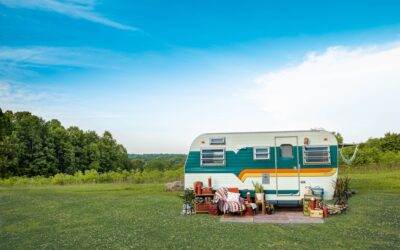
Hand-washing clothes in a campground sink wastes water and never gets them clean, which is why off-grid travelers and apartment dwellers alike have turned to compact machines. A portable camping washer lets you wash a load with a few gallons of water and little or no electricity, whether you are dry-camping in a van, living in a studio without hookups, or just want backup laundry during a power outage. The right choice depends on how much power you have, how big your loads are, and how much manual effort you are willing to put in.
Types of Portable Camping Washers
These machines fall into four broad categories, each with a different balance of effort, capacity, and power draw.
- Manual hand-crank or pedal washers: No electricity at all. You crank or pump a drum, typically handling 5 to 10 lbs of clothes per cycle. Best for true off-grid use.
- Collapsible bucket and plunger washers: The lightest and cheapest option, often under 2 lbs packed. A breathing mobility washer or a Scrubba-style wash bag works well for backpackers.
- Compact electric washers: Plug into a standard 120V outlet or run off a portable power station, drawing 200 to 400 watts. Good for RVs with shore power or a generator.
- Twin-tub electric washers: Separate wash and spin tubs, 8 to 17 lb capacity, the closest to a real machine for semi-permanent base camps.
Power and Water Considerations
Power availability is the first thing to settle. If you are boondocking with only solar and a small battery bank, a manual washer or a low-draw mini electric unit is your only realistic option. A typical compact electric washer uses 200 to 400 watts during the wash cycle, which a 300Wh portable power station can run for a couple of loads.
Water use matters just as much off-grid. Manual washers and wash bags use as little as 1 to 3 gallons per load, while small electric machines use 5 to 15 gallons. Look for a model with a drain hose so you can route gray water responsibly, and never dump wash water within 200 feet of a stream or lake.
Capacity: Matching the Machine to Your Loads
Capacity is rated in pounds of dry clothing, and it directly affects how often you wash. A wash bag handles a single change of clothes — a shirt, underwear, socks. A hand-crank drum manages 5 to 8 lbs, roughly two outfits plus a towel.
For a couple living in an RV, a twin-tub unit rated 8 to 13 lbs cuts laundry trips to once or twice a week. Do not overstuff; an overloaded machine cleans poorly and, in electric models, strains the motor. If your loads regularly exceed the rated capacity, size up rather than running the machine hard.
Top Recommendations by Use Case
For backpackers and minimalists, the Scrubba Wash Bag ($45 to $65) is a flexible washboard in a dry bag that weighs almost nothing and needs no power. For van life and small spaces, a compact electric portable like the COMFEE or BLACK+DECKER mini washer ($150 to $300) automates the cycle while sipping power.
RVers who want near-home performance should look at a twin-tub washer such as the Giantex or Panda models ($120 to $250), which wash and spin-dry separately and handle real loads. For pure off-grid hand washing, the Lavario or a Wonder Wash hand-crank drum ($45 to $90) cleans well with zero electricity.
How to Get the Best Results
Use a high-efficiency, low-suds detergent and only a fraction of what you would use at home — excess soap is the number one cause of poorly rinsed clothes in portable machines. A tablespoon is plenty for most loads. Wash in warm water when you have it; even sun-warmed water cleans better than cold.
Spin or wring thoroughly before drying. Twin-tub machines include a spin basket that gets clothes far drier than hand-wringing, which cuts hang-dry time dramatically. A collapsible drying rack or a paracord line between two trees finishes the job.
Is a Portable Camping Washer Worth It
For anyone who spends real time off-grid or lives without laundry hookups, a portable camping washer pays for itself fast against $3 to $5 per load at a laundromat, plus the time and fuel of getting there. The convenience of washing on your own schedule is the real draw. Match the power source and capacity to your situation, keep loads modest, and you will have clean clothes anywhere you set up camp.
Drying and Gray-Water Management Off-Grid
Washing is only half the job — drying matters just as much when you are away from a dryer. A machine with a dedicated spin cycle that hits high RPM gets clothes far drier than hand-wringing, cutting hang-dry time from a full day to a few hours. For backpackers, a microfiber travel towel rolled tightly around a garment and twisted pulls out surprising amounts of water before you hang it.
Plan your gray water before you wash. Use a biodegradable, fragrance-free detergent so the runoff is safe to disperse, and scatter it across soil at least 200 feet from any water source rather than dumping it in one spot. In a campground or RV park, route the drain hose into a proper gray-water tank or dump station. Responsible disposal keeps the practice sustainable and within most park rules.
Packability, Durability, and What to Skip
For mobile use, size and weight drive the decision. Collapsible silicone-bodied washers and wash bags pack down to a fraction of their working size and weigh just ounces, ideal for tight van builds and backpacks. Rigid twin-tub machines deliver the best cleaning but eat up cargo space, so reserve them for stationary base camps and larger RVs.
Check the build quality of the hand-crank mechanism or motor before buying, since cheap gears strip and underpowered motors stall on full loads. Read reviews for long-term reliability rather than first-impression ratings. Skip novelty USB-powered “ultrasonic” disc washers — they barely agitate a single shirt and disappoint anyone expecting real cleaning performance.