
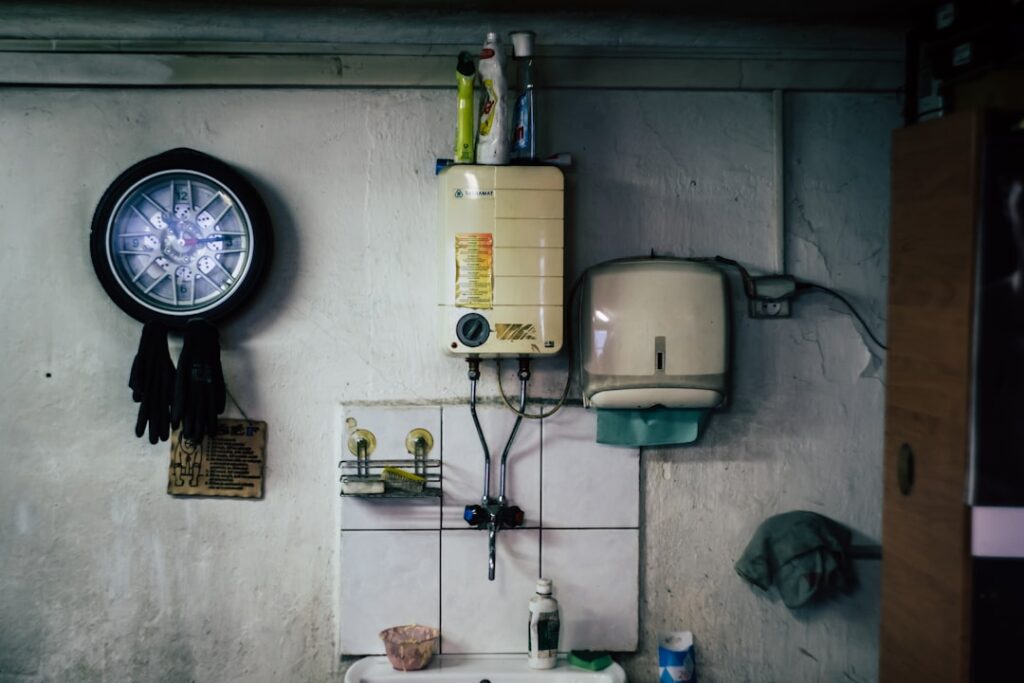
A hot shower after a long day outdoors used to mean hauling a kettle or suffering under a solar bag that went cold by dusk. A portable tankless water heater changes that math entirely, heating water on demand from a small propane-fired box you can hang on a tree, a trailer, or a garage wall. These units weigh 10 to 15 pounds, run off a standard 20-pound propane tank, and deliver a genuine warm stream within seconds. The catch is that not every model suits every job, and a few safety rules separate a great buy from a dangerous one. Here is how to pick and run one the right way.
What a Portable Unit Actually Does
Unlike a whole-home tankless heater wired into your electrical panel, a portable model is self-contained and built to travel. Cold water enters one side, passes through a copper heat exchanger heated by a propane burner, and exits hot the moment you open the valve. Most units fire automatically using two D-cell batteries for ignition, so you never need a wall outlet. That independence is the whole point: campsites, hunting cabins, off-grid tiny homes, and job sites rarely have 240-volt service to spare.
Because the burner only runs while water flows, there is no tank to keep warm and no standby fuel waste. You get hot water for as long as the propane and water hold out. That endless-supply quality is what pulls people away from the old 5-gallon camp shower that ran cold halfway through a rinse.
Reading BTU Ratings and Flow Rate
Two numbers define what a portable heater can do: BTU output and flow rate in gallons per minute. Most portable units land between 34,000 and 55,000 BTU and push 1.5 to 3.0 GPM. Higher BTU means the unit can raise water temperature more, faster, which matters enormously in cold weather.
Temperature rise is the figure that trips people up. If your source water is a 50°F mountain stream and you want a comfortable 105°F shower, that is a 55°F rise. A 42,000 BTU unit at that rise may only manage 1.2 to 1.5 GPM, which is a thin trickle. Feed the same heater 75°F water from a sun-warmed tank and it comfortably delivers 2.5 GPM. Cold source water is the single biggest reason a heater feels weak, so buy more BTU than you think you need if you camp in shoulder seasons.
Fuel and Water Source Options
Nearly all portable tankless heaters run on liquid propane, and you connect them one of two ways.
- Standard 20-lb tank: The common backyard grill cylinder. A single tank can supply roughly 20 to 30 hot showers depending on burner size, making it the workhorse for base camps and cabins.
- 1-lb disposable canisters: Lightweight and packable for short trips, but they empty fast and cost more per shower. Best kept as a backup.
On the water side, most units need a pressurized feed. A garden hose from a spigot works perfectly. Off-grid, you pair the heater with a small 12-volt water pump drawing from a bucket, jug, or stream, since the flow sensor needs a minimum pressure, usually around 3 to 5 PSI, to fire the burner. Check that minimum before you assume a gravity-fed setup will trigger it, because many gravity systems fall short.
Setting One Up Safely
Propane demands respect. A portable tankless heater burns fuel and produces carbon monoxide, so the cardinal rule is simple: never run one indoors, in a tent, or inside an enclosed RV bathroom without proper venting. These are outdoor and ventilated-space appliances, full stop.
A clean setup looks like this:
- Hang or mount the unit on a stable, non-flammable surface with the burner exhaust clear of overhangs.
- Connect the propane regulator to a tank sitting upright on level ground, and check the fitting with soapy water for bubbles that signal a leak.
- Attach the cold-water inlet to your hose or pump, and the outlet to the showerhead hose supplied with the unit.
- Open the water first, confirm flow, then the burner should ignite on its own.
- Adjust temperature using both the gas dial and the water-flow dial. More flow lowers temperature; less flow raises it.
Keep a carbon monoxide detector nearby anytime the heater runs near a sleeping area, and shut the propane tank valve when you finish rather than relying on the unit’s controls alone.
Cold-Weather and Freeze Protection
Water left in the copper heat exchanger can freeze and crack it overnight, which is the most common way people kill a portable heater. After each use in cold conditions, disconnect the hoses and tip the unit to drain every drop, or blow it out with a few pump strokes of air. Some models include a small freeze-protection feature, but do not trust it when the heater sits disconnected from power and gas.
In genuinely freezing weather, warm your source water if you can. Even raising it from 40°F to 60°F cuts the required temperature rise dramatically and lets a modest burner produce a usable shower instead of a lukewarm dribble.
Typical Uses Beyond Camping
People buy these for far more than weekend trips. A portable tankless water heater earns its keep in plenty of everyday situations:
- Washing dogs on the patio without dragging a hose of icy water across the yard.
- Rinsing off after the beach, the garden, or a mud-caked mountain-bike ride before you step inside.
- Cabin and hunting-lodge showers where plumbing a full water heater makes no sense.
- Livestock and barn chores, from filling wash buckets to cleaning equipment.
- Emergency backup when a home water heater fails and you need hot water for a few days.
That versatility is why a $150 to $300 unit often outlasts the trip it was bought for and becomes a permanent fixture in the garage.
What to Look For When Buying
Prices range from around $120 for a bare-bones 34,000 BTU model to $350 for a rugged 55,000 BTU unit with better ignition and a summer-winter mode. Spend for the features that matter and skip the ones that do not.
Prioritize a real summer-winter or high-low gas switch, because it lets you tame the burner in July and crank it in October. Look for an anti-scald limit that caps output around 125°F, a low-water-pressure startup so a small pump can trigger it, and a sturdy on-board carrying handle and hanging bracket. A stainless or coated exterior survives outdoor storage far better than raw steel. Reviews that mention reliable ignition after a season of storage tell you more than any spec sheet, since flaky igniters are the top real-world complaint.
Common Problems and Quick Fixes
When a portable heater misbehaves, the fix is usually simple. No ignition often means dead D-cell batteries or a water flow too weak to trip the sensor, so swap the batteries and boost pressure first. Water that runs hot then cold, the classic surge, points to a fluctuating pump or a nearly empty propane tank struggling in cold air, where the liquid propane cannot vaporize fast enough.
If the burner will not stay lit, check that the exhaust is not blocked and that wind is not snuffing the flame; a simple windscreen solves many outdoor flameouts. Weak heat despite a full tank almost always traces back to cold source water and too much flow, so dial the water valve down and give the burner less to warm. Keep the inlet screen filter clean, since grit from a stream or bucket clogs it and starves the unit.
Is a Portable Tankless Heater Worth It?
For anyone who spends real time off the grid, the answer is almost always yes. A portable tankless water heater turns any spot with water and propane into a hot shower, weighs less than a full grocery bag, and costs a fraction of a plumbed system. It will never match the flow of a whole-home unit, and it demands careful propane handling and diligent freeze draining, but within its lane it is hard to beat. Buy enough BTU for your coldest expected water, respect the ventilation rules, drain it after every cold use, and a good unit will follow you from campsite to cabin to backyard for years.


