Walk down any cleaning aisle and every plastic mop will claim to “deep clean with steam.” Most are glorified water sprayers. A genuinely powerful steam cleaner hits 200 to 310 degrees Fahrenheit at the nozzle, holds 40 to 80 PSI of pressure, and sanitizes grout, sealed hardwood, tile, upholstery, and even oven racks without a single drop of detergent. After running commercial-grade units on rental cleanouts and in my own home, I can tell you the difference between marketing and machinery is mostly about boiler temperature and continuous-fill design.
- What Makes a Steam Cleaner Genuinely Powerful
- Best Uses for a Powerful Steam Cleaner Around the House
- Top Models Worth Considering
- How to Use a Powerful Steam Cleaner Without Damaging Surfaces
- Maintenance Your Manual Will Not Mention
- When a Powerful Steam Cleaner Is Not the Right Tool
- Accessories That Earn Their Place
- Bottom Line
What Makes a Steam Cleaner Genuinely Powerful
Three numbers tell you everything. Boiler temperature should sit at 245 degrees Fahrenheit or higher to flash organic soils into vapor. Operating pressure of 50 to 75 PSI gives you the kinetic punch needed to dislodge grout grime. Steam dryness should be at least 95 percent, meaning the output is mostly vapor with very little liquid water carryover. Wet steam soaks fabric and leaves streaks on glass. Dry steam evaporates seconds after it touches a surface and is the secret to that streak-free finish on stainless and stone countertops.
Wattage of 1500 to 1700 watts is typical for residential. Anything below 1300 watts struggles to maintain pressure during continuous use. If you plan to clean for more than 15 minutes at a stretch, look for a continuous-fill model with a separate cold-water reservoir.
Best Uses for a Powerful Steam Cleaner Around the House
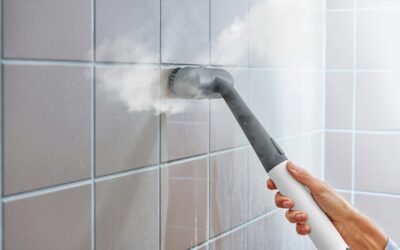
Grout lines transform. A 1700-watt unit with a small brass brush attachment will lift years of mopping residue from ceramic and porcelain tile in a single pass. Glass shower doors that have hard-water etching often clean up with steam plus a microfiber wipe in less than a minute per panel. Sealed hardwood handles steam well if you keep the wand moving and the cloth attachment between the head and floor. Never park a steam mop on engineered hardwood for more than two seconds. The moisture will swell the seams.
Upholstery, mattresses, and pet bedding sanitize beautifully. Steam at 212 degrees Fahrenheit for three seconds kills dust mites, bedbug eggs, and most bacteria. For curtains, you can hang and steam in place, which doubles as a wrinkle remover.
Top Models Worth Considering
The Dupray Neat at around $169 is the gateway machine for serious home use. It hits 275 degrees Fahrenheit, holds pressure for about 50 minutes per fill, and ships with 17 accessories including a squeegee that turns shower glass into a 60-second job. For larger homes, the Dupray Hill Injection at $469 adds a detergent injection cartridge and a 2.5-quart boiler. McCulloch’s MC1275 is the budget winner at roughly $139, and while the build is plastic, the 48-ounce boiler runs for 45 minutes and the 18 attachments cover most household tasks.
Skip handheld-only steamers under $50 unless you only need them for ironing shirts. The boilers are too small and the temperature drops within four minutes of use.
Steam Cleaner Buying Checklist
- Boiler temperature of 245 degrees Fahrenheit or higher
- Pressure between 50 and 75 PSI
- 1500 watts minimum for canister units
- Steel boiler tank, not aluminum, for longevity past five years
- Lock-on trigger so your hand does not cramp during long sessions
- Replacement gasket and brush kit available from the manufacturer
How to Use a Powerful Steam Cleaner Without Damaging Surfaces
Always test in a hidden corner first. Engineered wood, laminate, unsealed grout, and waxed surfaces can react badly to high-temperature moisture. On laminate, use the cloth attachment and move continuously. On grout that is unsealed, steam will brighten it but you will need to reseal within 48 hours to prevent staining. For natural stone like marble or limestone, keep the steam at low pressure and use a soft pad. Acidic mineral deposits in tap water can etch stone if steam dwells too long.
Always vacuum or sweep before steaming. Steam liquefies dust and creates a slurry that smears across the floor and sticks to baseboards. Two minutes with a vacuum saves 20 minutes of redoing the job.
Maintenance Your Manual Will Not Mention
Use distilled water if your tap water exceeds 7 grains per gallon hardness. Hard water leaves scale inside the boiler that eventually clogs the heating element and cuts pressure in half. Once a month, run two cups of distilled white vinegar through the boiler with no attachments, let it sit cold for 20 minutes, then drain and rinse twice. This $0.30 maintenance step extends most steam cleaners from three years to seven or eight years of reliable use.
Replace the seal around the boiler cap every 12 to 18 months. A worn gasket leaks pressure silently, and you will think the machine has lost power when it has lost a $4 rubber ring.
When a Powerful Steam Cleaner Is Not the Right Tool
Steam will not remove set-in oil stains from concrete or driveway grease. Use a degreaser and a pressure washer. Steam will not deep-clean a carpet that has not been vacuumed thoroughly first. And steam should never be used on wallpaper, lacquered furniture, or unsealed wood floors. The moisture penetrates and lifts finishes within hours.
Accessories That Earn Their Place
Out of the 15 to 20 accessories most kits include, a few do most of the work. The triangular brush is the workhorse for grout, baseboards, and tile corners. The squeegee head is what makes glass cleaning a real-time-saver. The clothing steamer attachment doubles the unit’s value if you use it for shirts and curtains. The brass detail brush handles oven grates and stove hood filters faster than any cleaner. Skip the rubber-rim attachments and floor cleaning pads that come pre-loaded with cheap microfiber. Replace those pads with quality 12×12 commercial microfiber cloths at $1 each in bulk.
Bottom Line
A powerful steam cleaner replaces three or four chemical products and pays for itself within a year for most households. Spend at least $130 to $200, prioritize boiler temperature and steel tank construction, and use distilled water religiously. The result is genuinely sanitized surfaces, no slick chemical residue, and a tool that earns its storage space.